
Shopping Cart


Insomnia and disturbed sleep: remedies and pharmacist's advice
Insomnia and disturbed sleep rob sufferers of clarity and energy, even when they happen only for short periods. Understanding what stands in the way of rest and correcting a few evening habits is the first step towards sleeping well again.
Read the full guide ↓Useful products for insomnia and poor sleep
MelatoninValerian and passionflowerNight-time herbal teasMagnesiumEarplugs

€12.52
Vicks ZzzQuil Sleep, a supplement for restful sleep with melatonin, valerian and lemon balm, supporting relaxation and night-time rest. Size: 28 tablets.


Sleep
Mag Notte with Melatonin, Magnesium, Griffonia for Good Sleep, Relaxation and Sleep...
Sanofi
933194728
€9.77
Mag notte 24 sachets sleep supplements are the perfect solution to promote relaxation of body and mind and to rest better. The product contains:Magnesium Melatonin, Griffonia,Mag 24 sleep supplements also help the body rest properly during the night.
Sleep
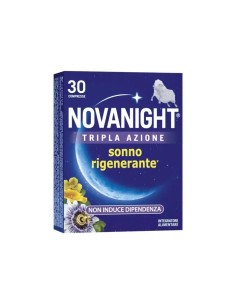
Novanight Triple Action with Lemon Balm and Melatonin for Sleep, Gluten-Free, 30 Tablets
Novanight
982984864
€11.70
Novanight Triple Action in a pack of 30 tablets: melatonin 1 mg with passionflower, lemon balm, California poppy and vitamin B6, helpful for adults to reduce the time taken to fall asleep and support quality rest. Gluten-free.

€18.61
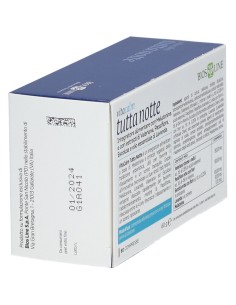
VitaCalm Tutta Notte is a supplement based on plant ingredients from the herbal tradition which, designed to promote relaxation and deep sleep, helps you fall asleep and stay asleep all night, reducing night-time waking.
Pack size: pack of 30 tablets.

€5.62
Melatonina Act +Val+FT5C, a sleep supplement with melatonin and valerian, promotes relaxation and falling asleep. Format: 60 tablets.
€5.76
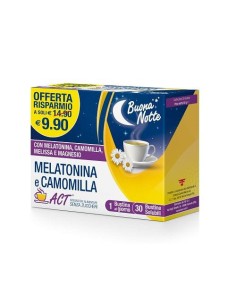
Melatonina Act + Camomilla food supplement to promote sleep and relaxation thanks to melatonin, chamomile and lemon balm. Format: 30 sachets.

€9.39
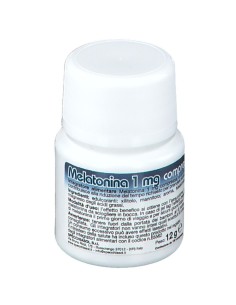
Serenotte Melatonin, a supplement to improve sleep thanks to melatonin. Ideal for those who struggle to fall asleep. Format: 150 tablets.

Sleep
Novanight Triple Action Sleep Sachets with Melatonin, Magnesium, Griffonia, 20...
Novanight
944105372
€10.02
Novanight Triple Action in orodispersible sachets with melatonin, magnesium and griffonia: melatonin contributes to reducing the time taken to fall asleep. Pack of 20 sachets.

€11.09
Vitacalm Tutta la Notte is a pharmacy product based on melatonin and plant extracts of valerian and passionflower. This product is useful to:Support sleep Support physical and mental relaxationReduce the time it takes to fall asleepIt is recommended to take this product shortly before going to bed.

Sleep
Novanight Triple Action with Lemon Balm and Melatonin for Sleep, Gluten-free, 60 Tablets
Novanight
982984852
€19.84
Novanight Tripla Azione is a supplement in tablets with melatonin, lemon balm, California poppy, passionflower and vitamin B6, for adults who wish to restore their natural sleep cycle. Gluten-free, non-habit-forming. Pack of 60 tablets.

€5.86
Theiss Dormitum+Melaton 30 ml, a spray with melatonin for peaceful sleep and to help reduce the time taken to fall asleep. Format: 30 ml bottle.
€12.73
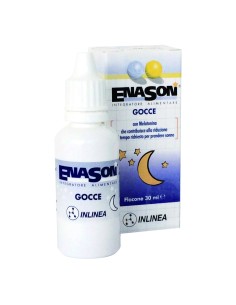
Enason Melissa Melatonina is a supplement in drops with melatonin and lemon balm extracts standardised in rosmarinic acid. Useful for adults who want to reduce the time taken to fall asleep. Gluten-free and naturally lactose-free.
Automatic selection based on product categories and features: for a tailored choice, ask the pharmacist.
What it is and how to recognise it
Insomnia means difficulty getting enough restorative sleep. It is not just the number of hours that counts: what matters most is how you feel the next day. It comes in different forms:
- difficulty falling asleep, with the mind still racing even after the lights are off;
- frequent night-time waking, with difficulty getting back to sleep;
- waking too early in the morning, before the alarm;
- light, unrefreshing sleep, with the feeling of never really having slept.
During the day you may feel drowsy, irritable, less able to concentrate and tired. When the problem lasts a few nights or a few weeks, it is called occasional or transient insomnia, often linked to a specific event.
The most common causes
- worries, work or family stress, recurring thoughts in the evening;
- irregular hours, shift work, travel across time zones;
- using smartphones, tablets and computers until late: screen light delays sleep;
- large dinners, alcohol, coffee, tea or energy drinks in the evening;
- an unsuitable environment: a bedroom that is too hot, noisy or bright;
- hormonal changes, for example during the menopause or pregnancy;
- physical problems such as pain, reflux, snoring or needing to urinate at night.
Remedies and practical tips
Sleep hygiene, i.e. the set of habits that prepare you for rest, is the most effective and lasting remedy.
- Consistent times: always getting up at the same time helps regulate the body clock, even more than the time you go to bed.
- Switch off screens at least an hour before sleeping and replace them with reading, calm music or breathing exercises.
- Keep the bedroom dark, quiet and cool, around 18-20 degrees.
- Use the bed only for sleeping: if sleep doesn't come after 20 minutes, get up, do something relaxing in dim light and go back to bed when you feel sleepy.
- Eat a light dinner at least two hours before going to bed; avoid caffeine from early afternoon and alcohol in the evening.
- Take regular physical activity, preferably not in the hours just before sleep.
- Avoid long afternoon naps: if you need one, keep it to 20-30 minutes.
- A hot caffeine-free herbal tea or a warm bath can become a small ritual that signals to the body that it is time to slow down.
What you can find at the pharmacy
For occasional sleep difficulties there are food supplements and natural products that may help you rest again, alongside good habits:
- Melatonin: contributes to the reduction of the time taken to fall asleep and to the alleviation of the subjective feelings of jet lag. It is taken shortly before going to bed; there are immediate- and prolonged-release formulas, in tablets, drops or oral sprays.
- Relaxing plant extracts such as valerian, passionflower, lemon balm, chamomile, California poppy and hawthorn, traditionally used to support relaxation and good-quality sleep. They are often found combined.
- Night-time herbal teas made from the same plants, suitable as an evening ritual.
- Magnesium, which contributes to the normal function of the nervous system, sometimes included in night-time formulas.
- Sleep accessories such as earplugs and essential oils to diffuse in the room, for example lavender.
Always read the leaflet and warnings: some extracts can cause drowsiness on waking and should not be combined with alcohol or other sedative products. Food supplements are not a substitute for a varied, balanced diet and a healthy lifestyle.
When to see a doctor
- if insomnia has lasted more than three or four weeks or occurs at least three nights a week;
- if daytime sleepiness makes driving or working dangerous;
- if you snore loudly with pauses in breathing noticed by the person sleeping next to you;
- if you experience tingling or an urge to move your legs when in bed;
- if the problem comes with sadness, intense anxiety or persistent negative thoughts;
- during pregnancy, breastfeeding, in children and in people already taking medicines: before using any sleep product, you need the advice of your doctor or paediatrician.
Frequently asked questions
Is melatonin addictive?
At the doses found in food supplements it is not considered habit-forming. It should nevertheless be used for limited periods and, if the problem persists, it is best to find out the cause with your doctor.
Valerian or melatonin: which is better?
They have different roles: melatonin helps mainly when the problem is falling asleep or when the sleep-wake rhythm is out of sync, while extracts such as valerian are designed to support relaxation. Your pharmacist can suggest the most suitable solution for you.
Does reading in bed help you sleep?
A paper book with a warm, soft light can help you relax. Reading on a smartphone or tablet is different, because the light and the content keep the brain active.
The information on this page is for general information purposes only and does not replace the advice of a doctor or pharmacist. Food supplements should not be used as a substitute for a varied, balanced diet and a healthy lifestyle. If symptoms persist or are severe, consult a healthcare professional.