
Shopping Cart


Memory and concentration: how to improve them, tips and remedies
Forgetting where you left your keys or losing the thread in a meeting happens to everyone, especially during busy periods. Memory and concentration are strongly affected by sleep, stress and diet, and they can be trained and supported with targeted habits.
Read the full guide ↓Useful products for memory and concentration
Omega 3 (DHA)B vitaminsGinkgo and bacopaStudy formulasPhospholipids and choline

€21.32
Cerebrain Forte is a food for special medical purposes based on glycerylphosphorylcholine (choline alfoscerate), useful under medical supervision in all cases of cognitive decline (Mild Neurocognitive Disorder), early-stage dementia, reduced dietary choline intake or increased requirements.
Format: pack of 12 vials of 15 ml each.

€11.74
Norsan Omega-3 Arktis, cod liver oil capsules rich in Omega-3 for heart and brain health. Format: 120 capsules.

Last items in stock
€23.05
Omega-3 Capsules is a high-quality supplement providing a rich source of unsaturated fatty acids, including monounsaturated and polyunsaturated, essential to support general wellbeing, with added vitamin E for its antioxidant properties, for those looking for natural dietary support.
Format: jar of 120 capsules.


€13.47
Neurobrainshedir 10 vials of 10 ml is a food supplement useful as a brain stimulant for:MemoryConcentrationdizziness TinnitusNeurobrain vials, supplement for dizziness contains:MagnesiumSeleniumVitamins B1, B2, B5, B12Ginkgo bilobaAcetyl-L-carnitinePhosphatidylserineDirections for use1 or 2 vials a day
Memory & concentration
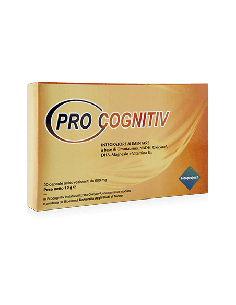
Procognitiv 20 Acid-Resistant Vegetable Capsules 600 mg
Fitoproject
934732165
€18.76
Procognitiv is a food supplement that supports normal brain and nervous system function; it also helps reduce tiredness and fatigue. Ingredients:Natural homotaurine;Microencapsulated DHA;NADH;Sucrosomial magnesium;OxiCYAN;Vitamin B12.Pack of 20 capsules. Gluten-free and lactose-free.

€16.38
Damor Cerebrain is a liquid food supplement useful as an aid to memory, cognitive function and normal blood circulationUnder medical supervision, Damor Cerebrain vials may be useful in cases of:cognitive declineearly-stage dementiaimpaired cognitive function due to reduced dietary intake of choline Take one vial a day by mouth, preferably in the morning.

€14.14
Food supplement in oil form based on omega-3 from cod liver oil, with vitamins A, D and E. 200 ml bottle.

€36.47
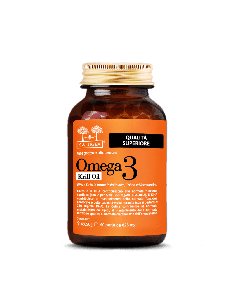
Salugea Omega 3 Krill Oil, a krill oil supplement rich in EPA and DHA for normal heart, brain and vision function. Format: 60 softgels.

€8.24
F&F Omega 3 Act 1G is a fish oil-based food supplement that contributes to normal heart, vision and brain function. F&F Omega 3 1G is formulated with:EPA, which supports heart function;DHA, which helps maintain normal vision and brain function;vitamin E, which contributes to the protection of cells from oxidative stress.


€7.08
Massigen Mente 10 bottles of 25 ml is a plant-based, cherry-flavoured food supplement that supports cognitive function and the nervous system.What is Massigen supplement for?It is suitable for supporting memory in students.It is a supplement for tiredness and concentration with schisandra, phosphoserine, ginkgo biloba, folic acid and vitamins B5 and PP.It...
€20.68
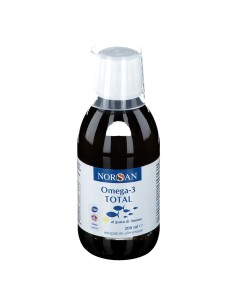
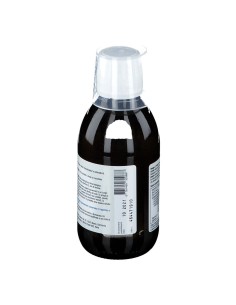
Norsan Omega 3 Total, an omega 3 supplement for heart and brain health, with vitamin D3. Size: 200 ml bottle.

€17.60
Food supplement in tablets based on Bacopa, choline and phosphatidylserine, useful for supporting memory and cognitive function. Pack of 30 tablets.
Automatic selection based on product categories and features: for a tailored choice, ask the pharmacist.
What it is and how to recognise it
Concentration is the ability to keep your attention on a task; memory is the ability to record, store and retrieve information. The two functions are closely linked: if attention is poor, memorisation suffers too. The most common signs of a dip are:
- difficulty staying focused on reading or an activity for more than a few minutes;
- small everyday lapses: appointments, names, objects;
- a feeling of brain fog and slow thinking;
- greater effort needed to study or learn new things;
- being easily distracted and jumping from one activity to another without finishing.
The most common causes
- insufficient sleep: it is during rest that the brain consolidates memories;
- prolonged stress and anxiety, which absorb mental resources;
- constant multitasking and frequent notifications, which fragment attention;
- periods of very intense study or intellectual work, such as exams and deadlines;
- a nutrient-poor diet, skipped meals, poor hydration;
- a sedentary lifestyle, which reduces oxygenation and general vitality;
- changes linked to age or the menopause, often mild and physiological.
Several factors often add up: a week of little sleep, combined with deadlines and quick meals, is enough to make the mind feel slower than usual. The good news is that, in most cases, it is a reversible dip.
Remedies and practical tips
- Sleep well: seven to eight regular hours are worth more than any late-night revision.
- Work in blocks of 25-45 minutes followed by a short break, with your phone on silent.
- Do one thing at a time: multitasking reduces the quality of attention.
- Train your memory with reading, logic games, foreign languages or a musical instrument.
- Review material at spaced intervals and repeat aloud what you want to remember.
- Move every day: aerobic activity supports the wellbeing of cognitive functions.
- Bring oily fish, nuts, seeds, colourful vegetables, berries and wholegrains to the table.
- Drink enough: even mild dehydration can reduce mental clarity.
- Nurture social relationships and interests, which keep the mind active.
What you can find at the pharmacy
During periods of greater mental effort, some food supplements can offer support, always alongside proper sleep and diet:
- Omega 3 (DHA): DHA contributes to the maintenance of normal brain function. They are usually taken in capsules with meals, even in prolonged courses.
- B vitamins, in particular B6, B12 and folic acid, which contribute to normal psychological function and to the normal function of the nervous system.
- Plant extracts such as ginkgo biloba and bacopa, traditionally used to support memory and cognitive function, and ginseng for mental tone.
- Phospholipids such as phosphatidylserine and choline, found in various memory formulas.
- Specific formulas for students and exam periods, often with magnesium, vitamins and tonic extracts.
Ginkgo may not be suitable for people taking blood-thinning medicines: if you are on any treatment, always ask for advice. Food supplements are not a substitute for a varied, balanced diet and a healthy lifestyle.
When to see a doctor
- if forgetfulness increases over time and concerns recent events or routine activities;
- if you get lost in familiar places or struggle to find words;
- if family and friends notice changes in behaviour or personality;
- if poor concentration appears suddenly or together with a severe headache, vision or speech problems: in this case an urgent assessment is needed;
- in children with persistent attention difficulties at school, to be assessed with a paediatrician;
- during pregnancy, breastfeeding or ongoing treatment, before taking supplements.
Frequently asked questions
Are memory supplements suitable for students?
There are formulas designed for periods of intense study for adults and university students. For younger people it is best to ask a paediatrician first and focus mainly on sleep and diet.
How long should omega 3 be taken to see a benefit?
Courses of at least two or three months are generally recommended, because omega 3 works gradually. Always follow the doses stated on the label.
Is it normal to be more forgetful when stressed?
Yes, stress and worry reduce attention and therefore the ability to lay down memories. When the difficult period passes, memory usually improves too.
The information on this page is for general information purposes only and does not replace the advice of a doctor or pharmacist. Food supplements should not be used as a substitute for a varied, balanced diet and a healthy lifestyle. If symptoms persist or are severe, consult a healthcare professional.