
Shopping Cart


Stress and anxiety: how to recognise them and pharmacist's advice
Stress and anxiety are the body's natural reactions to difficulties, but when they become constant they weigh on sleep, digestion and mood. Learning to manage everyday tension with practical strategies and some natural support can make a big difference.
Read the full guide ↓Useful products for stress and anxiety
Calming plant extractsAdaptogenic plantsMagnesium and B vitaminsMood supplementsRelaxing essential oils
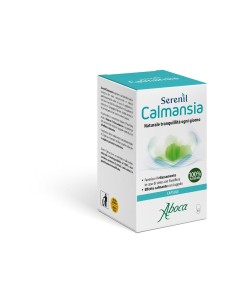
€20.47
Serenil Calmansia from the Aboca line is a food supplement based on hawthorn, passionflower and hop extracts that helps support mental well-being. Thanks to its formula, Aboca Serenil:helps relaxation in case of stress, with passionflowercalming effect with hopssupports relaxation and well-being every dayTake 3 capsules spread over the day.
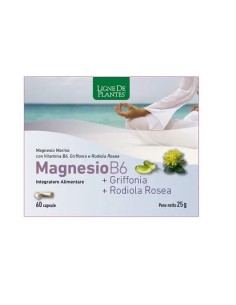
€12.52
Magnesium B6+Griffonia+Rhodiola, a supplement for energy and mood, with magnesium, Griffonia and Rhodiola to reduce tiredness and support mental wellbeing. Size: 60 capsules.

€4.90
Valerian Passionflower Hawthorn Drops, to promote relaxation and sleep, thanks to valerian, passionflower and hawthorn. Ideal for adults and teenagers. Pack size: 30 ml bottle.

€18.35
Stress Stop Drops, a flower essence to promote calm and serenity, useful for adults and children with anxiety and tension. Pack size: 30 ml bottle.
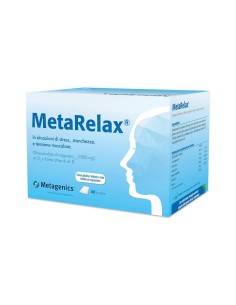

€22.74
Metarelax sachets is a pharmacy product based on taurine, vitamins and magnesium. What is Metarelax for? Taking this supplement is useful to:Promote relaxation and mental well-beingHelp in case of stress and nervousnessReduce the feeling of mental and physical tiredness.Help in case of muscle tension


€22.40
Metarelax new 90 tablets is a food supplement that helps support mental well-being, reducing stress, tiredness and muscle fatigue. Thanks to its formula based on vitamins, magnesium and taurine, Metarelax tablets:help in case of stressare useful against tirednessare suitable for muscle fatigueTake 2 tablets of Metarelax Metagenics a day.
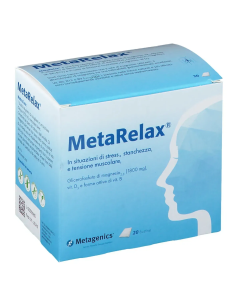
€12.92
Metarelax New 20 sachets is a supplement to counteract stress and tiredness, supporting muscle relaxation thanks to magnesium, B vitamins and vitamin D. Pack size: 20 sachets.

€14.41
Supplement in 100% plant-based capsules with ashwagandha root extract (Withania somnifera) from organic farming, standardised in withanolides: an adaptogenic plant helpful for adults during periods of stress. 60 capsules.


€7.56
Valdispert AntiStress Drops, a supplement to counter stress and promote relaxation thanks to valerian, passionflower, lime blossom and lemon balm. Format: 30 ml bottle.
€42.25
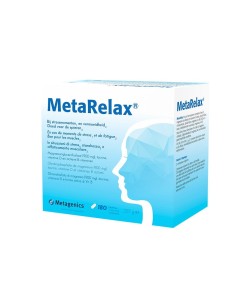
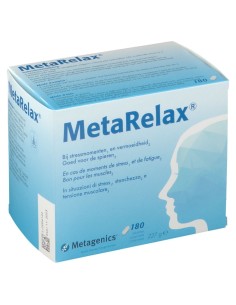
Metarelax 180 tablets is a magnesium-based food supplement made by Metagenics that supports relaxation and mental well-being. Thanks to its formula, Metarelax tablets help in case of:stresstirednessmuscle tensionTake Metarelax Metagenics tablets twice a day.


€42.25
Metarelax Metagenics is a food supplement based on Magnesium Glycerophosphate, Vitamins D and B and Taurine, designed to counteract stress and fatigue.Metarelax Sachets are ideal in cases of:mental and physical tiredness and fatiguestress and/or anxious emotional statesmuscle tension or crampsFood supplements should not be used as a substitute for a...

€20.30
Ayurvedic food supplement in tablets with Brahmi, Ashvagandha, Clitoria and Jatamansi. Promotes relaxation and the normal tone of the nervous system in adults, supporting a calm disposition and mental well-being. Pack of 60 tablets.
Automatic selection based on product categories and features: for a tailored choice, ask the pharmacist.
What it is and how to recognise it
Stress is the body's response to a demand perceived as challenging: in small doses it is useful, because it keeps us alert and responsive. It becomes a problem when it goes on over time without moments of recovery. Anxiety, on the other hand, is a state of apprehension and worry, often focused on the future, which can appear even without an obvious reason.
The signs can be both mental and physical:
- nervousness, irritability, a feeling of always being under pressure;
- recurring thoughts and difficulty switching off;
- muscle tension in the neck, shoulders and jaw, sometimes with headaches;
- a lump in the throat, shortness of breath, a racing heart;
- a knotted stomach, slow digestion or irregular bowel habits;
- disturbed sleep and tiredness on waking.
The most common causes
- heavy workloads or study loads, tight deadlines;
- major changes: moving house, a new job, the birth of a child, separation;
- financial, family or health worries;
- lack of time for yourself and for relationships;
- too much caffeine, alcohol and smoking, which amplify tension;
- lack of sleep, which reduces the ability to manage emotions;
- phases of hormonal change, such as premenstrual syndrome or the menopause.
Remedies and practical tips
- Slow breathing: breathing in through the nose for a count of four and breathing out slowly for a count of six, for a few minutes, helps calm the nervous system.
- Move regularly: walking, swimming, cycling or yoga help release built-up tension.
- Organise your day with realistic priority lists and learn to say no now and then.
- Set aside time every day for something enjoyable, even briefly.
- Nurture your relationships: talking about your worries with someone you trust lightens the load.
- Cut down on coffee, energy drinks and alcohol, which increase restlessness and insomnia.
- Follow a regular diet, rich in vegetables, wholegrains, pulses, nuts and fish.
- Limit news and social media in the evening, to give your mind time to slow down.
- Try relaxation techniques such as meditation, mindfulness or autogenic training, also with the help of guided apps.
What you can find at the pharmacy
At times of greater tension, some food supplements may help restore calm and balance, always together with an appropriate lifestyle:
- Calming plant extracts such as passionflower, lemon balm, lime blossom, hawthorn and valerian, traditionally used to support relaxation in case of stress. They are available as tablets, drops and herbal teas, to be used during the day or in the evening depending on the formula.
- Adaptogenic plants such as rhodiola, ashwagandha and ginseng, used to support the body during periods of physical and mental stress.
- Magnesium, which contributes to normal psychological function and to the normal function of the nervous system, and B vitamins, which support the nervous system.
- Formulas with griffonia, saffron or L-tryptophan, designed to support mood and tone.
- Essential oils to diffuse in the room, such as lavender and sweet orange, to create a relaxing atmosphere.
Some plants can interact with medicines you are already taking: for this reason, if you are on any treatment, always ask your pharmacist or doctor first. Food supplements are not a substitute for a varied, balanced diet and a healthy lifestyle.
When to see a doctor
- if anxiety and stress have lasted for weeks and interfere with work, study or relationships;
- in case of sudden attacks of intense fear with palpitations, sweating or a feeling of choking;
- if persistent sadness, loss of interest or thoughts of self-harm appear: in this case immediate help is needed;
- if you increasingly turn to alcohol or other substances to calm down;
- during pregnancy and breastfeeding, in young people and in those already taking medicines, before starting any supplement.
Your GP can refer you to psychological support, which is often very effective.
Frequently asked questions
Do calming supplements cause drowsiness?
Many daytime products are formulated to support calm without making you feel sluggish, but the response varies from person to person. The first few times, it is sensible to try them when you don't have to drive.
Can stress cause stomach problems?
Yes, the stomach and bowel are very sensitive to emotional tension: acidity, bloating and irregularity are common during stressful periods. Managing stress often improves digestion too.
How long does it take to see the benefits of relaxation techniques?
Slow breathing gives almost immediate relief, while meditation and physical activity show more lasting benefits after a few weeks of consistent practice.
The information on this page is for general information purposes only and does not replace the advice of a doctor or pharmacist. Food supplements should not be used as a substitute for a varied, balanced diet and a healthy lifestyle. If symptoms persist or are severe, consult a healthcare professional.