
Shopping Cart


Physical and mental fatigue: causes, remedies and advice
Physical and mental fatigue is one of the most common complaints: heavy legs, a foggy head and the feeling of never quite recovering. In most cases it depends on lifestyle, sleep and diet, and with a few targeted changes you can regain energy day by day.
Read the full guide ↓Useful products for physical and mental fatigue
Magnesium and potassiumB vitaminsMultivitaminsPlant-based tonicsRoyal jelly
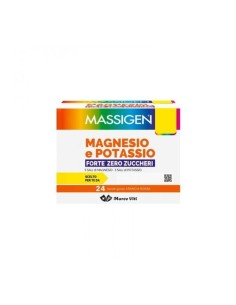
Magnesium & potassium
Magnesium Potassium Forte Sugar-Free 24 Sachets
MARCO VITI FARMACEUTICI SpA
945030827
€8.64
Massigen Magnesium Potassium Forte, a magnesium and potassium supplement for muscle and nerve function. Helps reduce tiredness. Size: 24 sachets.
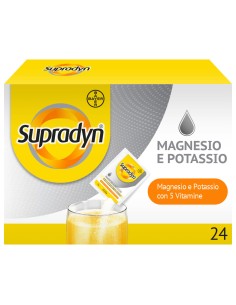

€5.98
Supradyn Magnesium/Potassium, a magnesium and potassium supplement to reduce tiredness and fatigue. Useful for electrolyte balance. Pack size: 24 sachets.

€6.74
Magnesio Potassio Zero magnesium and potassium supplement, useful to support energy and reduce tiredness. Pack size: 24 sachets.

Magnesium & potassium
Massigen Magnesium Potassium Sugar-Free 60 Tablets
MARCO VITI FARMACEUTICI SpA
944292527
€5.88
Massigen Magnesium and Potassium, supplement to help counteract tiredness and fatigue thanks to magnesium and potassium. Useful in case of deficiency. Pack size: 60 tablets.

Magnesium & potassium
Magnesium Potassium Plus Teva 24 Sachets Sugar-free Citrus Flavour
Teva
970374462
€7.01
Magnesio e Potassio Plus Teva is a food supplement in citrus-flavoured sachets, sugar-free. Magnesium and potassium contribute to the reduction of tiredness and to normal muscle function in adults. Pack of 24 sachets.
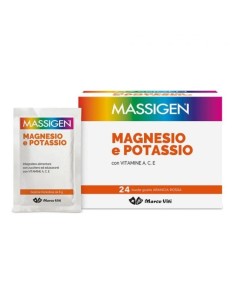
€6.89
Massigen Magnesium and Potassium, a magnesium and potassium supplement to reduce tiredness and support muscle function. Format: 24 sachets.


Multivitamins
Supradyn Energy Vitamin A, B, C, D and Coenzyme Q10 Supplement for Tiredness, 70 Gummies
BAYER SpA
924415235
€12.19
Supradyn Energy is a food supplement in orange, raspberry and cherry flavoured gummies that make taking your daily vitamins pleasant and tasty. The vitamin gummy formula contains:Vitamin AB vitaminsVitamin CVitamin EVitamin DTake Supradyn gummies 1 or 2 times a day.
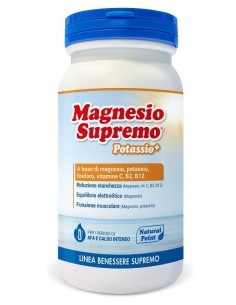
€14.89
Soluble powder based on magnesium, potassium, phosphorus and fermentation-derived vitamins (C, B2, B12). Useful for adults in hot, muggy weather and during physical activity: magnesium contributes to the reduction of tiredness and fatigue. 150 g pack.

Energy boosters
Apropos Magnesium and Potassium with Carnitine 24 Soluble Sachets 3.5 g Orange Flavour...
DESA PHARMA Srl
983274364
€9.97
Food supplement in sachets based on magnesium, potassium and carnitine, useful to reduce tiredness and fatigue. Sugar-free, orange flavour. Pack of 24 sachets.
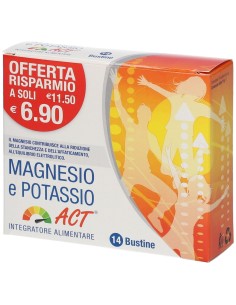

€2.77
Magnesio Potassio Act 14 Sachets, a magnesium and potassium supplement to reduce tiredness and fatigue and restore electrolyte balance. Format: 14 sachets.
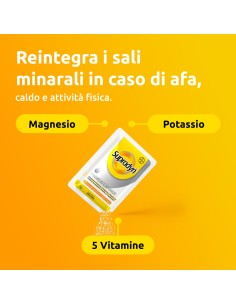

€5.21
Supradyn Magnesium/Potassium 14 Sachets, a magnesium and potassium supplement to help reduce tiredness and fatigue. Size: 14 sachets.


Magnesium & potassium
Sustenium Magnesium and Potassium 28 Sachets
A.MENARINI IND.FARM.RIUN.Srl
973662582
€8.05
Sustenium Magnesium/Potassium, a magnesium and potassium supplement to reduce tiredness and support muscle function. Ideal in case of cramps. Format: 28 sachets.
Automatic selection based on product categories and features: for a tailored choice, ask the pharmacist.
What it is and how to recognise it
We speak of fatigue when the feeling of tiredness is out of proportion to the effort made or does not go away after rest. It can be mainly physical, with weak muscles and little stamina, or mainly mental, with difficulty concentrating and completing tasks. Often the two forms coexist.
- waking up with difficulty even after several hours of sleep;
- an energy slump mid-morning or early afternoon;
- heavy muscles, occasional cramps, little desire to move;
- distraction, slow thinking, small memory lapses;
- irritability and lower tolerance to stress.
The most common causes
In most cases fatigue is a sign that a balance has been upset. Among the most frequent factors:
- insufficient sleep or poor-quality sleep, even when the hours seem enough;
- periods of intense work or study, with few breaks and a lot of screen time;
- an erratic diet, skipped meals, overly restrictive diets;
- poor hydration and loss of mineral salts in hot weather or with sport;
- a reduced intake of certain micronutrients, such as iron, magnesium and B vitamins;
- a sedentary lifestyle, which paradoxically reduces resistance to fatigue;
- convalescence after flu or a period of illness.
Remedies and practical tips
Before looking for a quick fix, it is worth working on your habits: they are what makes the difference over time.
- Regular sleep: going to bed and getting up at the same time, even at weekends, helps the body recover better.
- A full breakfast: a source of complex carbohydrates, a source of protein and a piece of fruit prevent the mid-morning slump.
- Spread your food over three meals and one or two snacks, without big evening meals.
- Drink water regularly throughout the day, without waiting until you are thirsty.
- Bring pulses, leafy green vegetables, nuts and wholegrains, natural sources of minerals and vitamins, to the table.
- Move every day: even 30 minutes of brisk walking improves energy and mood.
- Take short breaks every hour when working at the computer, standing up and looking into the distance.
- Limit coffee to the morning and don't overdo sugary drinks: they give a short boost followed by another slump.
What you can find at the pharmacy
When fatigue comes with a diet that is not always balanced or with particularly demanding periods, some food supplements can offer support. Here are the most commonly used types:
- Magnesium and potassium: magnesium contributes to the reduction of tiredness and fatigue and, together with potassium, to normal muscle function. They are particularly useful in hot weather, after sport or in case of heavy sweating; they are dissolved in water and usually taken once or twice a day.
- B vitamins: they contribute to normal energy-yielding metabolism and some of them contribute to the reduction of tiredness. They are available on their own or in combined formulas.
- Multivitamins and multiminerals: may help cover your requirements when your diet is not very varied.
- Tonic plant extracts such as ginseng, eleutherococcus, rhodiola or guarana, traditionally used to support tone and vitality. Those containing caffeine or guarana should be avoided in the evening.
- Royal jelly and formulas with amino acids, often chosen during periods of recovery or intense physical activity.
Iron should only be supplemented if a deficiency has been confirmed by blood tests. Always read the warnings on the label, respect the stated doses and remember that food supplements are not a substitute for a varied, balanced diet and a healthy lifestyle. If in doubt, your pharmacist can help you choose the most suitable formula.
When to see a doctor
Temporary tiredness linked to a busy period is normal. It is advisable, however, to see your doctor if:
- the fatigue has lasted more than a few weeks despite rest;
- unintentional weight loss, a low-grade fever, night sweats or persistent pain appear;
- you notice paleness, shortness of breath on exertion, palpitations or dizziness;
- the tiredness comes with persistent sadness and loss of interest in things;
- you are pregnant or breastfeeding, follow long-term treatment or have thyroid, heart or kidney conditions: before taking supplements it is best to talk to your doctor.
In children and teenagers, marked and prolonged tiredness should always be assessed by a paediatrician.
Frequently asked questions
How long does it take to feel the effect of a supplement for tiredness?
It depends on the formula: mineral salts can bring relief within a few days, while vitamins and plant extracts are usually taken in courses of a few weeks. If after a month you notice no benefit, talk to your doctor.
Can I take several energy supplements together?
It is best to avoid this without advice: many formulas contain the same ingredients and you risk exceeding the recommended daily doses. Choose a complete product or ask your pharmacist how to combine them.
Is coffee a good remedy for tiredness?
It helps you feel more alert for a few hours, but it does not address the cause and, if taken in the afternoon, it can worsen sleep. Two or three cups in the morning are generally well tolerated by healthy adults.
The information on this page is for general information purposes only and does not replace the advice of a doctor or pharmacist. Food supplements should not be used as a substitute for a varied, balanced diet and a healthy lifestyle. If symptoms persist or are severe, consult a healthcare professional.