
Shopping Cart


Iron deficiency: symptoms, causes and pharmacist's advice
Iron deficiency is one of the most widespread nutritional conditions, especially among women of childbearing age, teenagers and people whose diet is low in animal sources. It often shows up subtly, with tiredness and low energy. Let's see how to recognise it, how to adjust your diet and when a supplement can be useful.
Read the full guide ↓Useful products for iron deficiency
Iron supplementsIron with vitamin CFolic acid and vitamin B12Iron drops and sachets

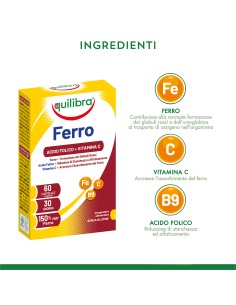
€7.02
Equilibra Iron with Folic Acid + Vitamin C, an iron supplement to help reduce tiredness and fatigue, supporting red blood cell formation. Size 60 capsules.
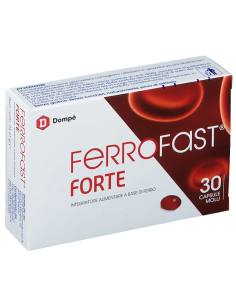
€19.95
Ferrofast Forte, an iron supplement for deficiency of this mineral, useful during pregnancy and breastfeeding. Format: 30 softgels.

€9.55
Ferronam 30 TAB, an iron supplement to reduce tiredness and fatigue, contributes to the formation of red blood cells. Format: 30 tablets.

€21.85
Uniferro Forte 30 capsules is a supplement based on iron and vitamin C, providing more iron than is contained in the daily diet. Uniferro Forte 30 - by Bio Therapic - contains:Iron sulphateVitamin CProcessing aids: Maltodextrins, Phospholipids, Silicon dioxide, Magnesium stearateThanks to liposomes and the capsules, the body can absorb the necessary...
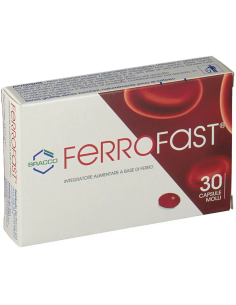
€17.55
Ferrofast, an iron supplement to make up for dietary deficiencies, supports the absorption of the mineral. Pack size 30 softgels.


€11.80
Ferrofol B12 is a supplement of iron, folic acid and vitamin B12, useful in case of nutritional deficiencies or increased requirements. Format: 30 tablets.

€17.96
Ferrotech, an iron supplement for normal red blood cell formation and the reduction of tiredness. Useful in case of deficiency. Format: 30 capsules.

€15.09
Ferrolip 20 Orodispersible Sachets, microencapsulated iron supplement for the normal formation of red blood cells and to reduce tiredness. Pack size: 20 sachets.

€14.46
Ferrodue Drops, an iron supplement for children, helpful in case of increased requirements or reduced intake. Supports red blood cell formation. Pack size: 15ml.
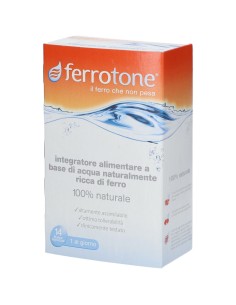
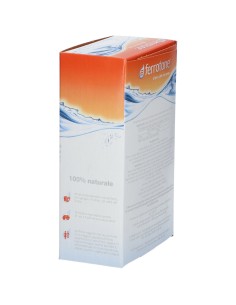
€13.37
Ferrotone, an iron supplement for adults and children, supports the normal formation of red blood cells. Size: 14 sachets of 20 ml.

€12.78
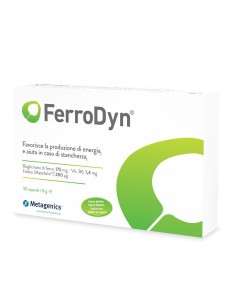
FerroDyn HI, an iron supplement for energy and to help with tiredness, supports red blood cells. With B vitamins, gluten-free and lactose-free. Size 30 capsules.

€16.33
DDM Ferro 30 Sticks is an iron and Vitamin B12 supplement contributing to the normal formation of red blood cells and haemoglobin. Ideal in case of deficiency. Size: 30 orodispersible sticks.
Automatic selection based on product categories and features: for a tailored choice, ask the pharmacist.
What it is and how to recognise it
Iron is an essential mineral: it is needed to form haemoglobin, the protein in red blood cells that carries oxygen to the tissues, and it takes part in many energy processes in the cells. When the body's reserves fall, we speak of iron deficiency; if the deficit continues, it can develop into iron-deficiency anaemia, which should always be assessed by a doctor.
The most common signs are:
- persistent tiredness and fatigue even after light exertion;
- pale skin and mucous membranes (for example the inside of the eyelids);
- shortness of breath and a racing heartbeat during physical activity;
- brittle or flaking nails, weaker hair;
- difficulty concentrating, irritability, cold hands and feet.
These symptoms are not specific: to get a clear picture you need blood tests (full blood count and ferritin) prescribed by a doctor.
The most common causes
Iron deficiency almost always results from an imbalance between how much iron is taken in, how much is absorbed and how much is lost. Typical situations are:
- heavy periods, the most frequent cause in women of childbearing age;
- pregnancy and breastfeeding, when needs increase considerably;
- phases of rapid growth, such as childhood and adolescence;
- a poorly planned vegetarian or vegan diet, or drastic low-calorie diets;
- conditions that reduce intestinal absorption, such as coeliac disease or some chronic inflammatory conditions;
- small, prolonged blood losses, for example from the digestive tract;
- intense sporting activity, especially endurance sports.
Remedies and practical tips
Diet comes first, and it remains the basis for maintaining good iron reserves:
- regularly eat lean red meat, poultry, fish and shellfish, which contain iron in haem form, which is better absorbed;
- alternate pulses, nuts, seeds, wholegrain cereals and dark green leafy vegetables, sources of plant iron;
- pair iron-rich foods with foods containing vitamin C (citrus fruit, kiwi, peppers, tomatoes), which aids its absorption;
- avoid drinking tea or coffee during or just after meals: some substances they contain hinder absorption;
- do not overdo milk and dairy products at the same meal as your main iron sources, because calcium can compete with its absorption;
- soaking, sprouting and cooking pulses improves their digestibility and the availability of minerals.
What you can find at the pharmacy
When diet alone is not enough, or during periods of greater need, iron supplements can be useful. Iron contributes to the normal formation of red blood cells and haemoglobin and to the reduction of tiredness and fatigue.
- Well-tolerated forms of iron: there are formulations such as iron bisglycinate and sucrosomial or microencapsulated iron, designed to reduce stomach discomfort and a metallic taste.
- Combinations with vitamin C, which increases iron absorption, and with folic acid and vitamin B12, which contribute to normal blood cell formation.
- Different formats: tablets, capsules, orodispersible sachets, drops or syrups, also useful for those who have difficulty swallowing.
In general it is best to take iron away from tea, coffee, milk and any other calcium or zinc supplements, respecting the doses shown on the label. A supplement is not a substitute for a varied, balanced diet and should not be taken "blindly" for months: excess iron is not harmless. It is best to ask your pharmacist or doctor for advice, especially if you take other products.
When to see a doctor
Tiredness and pallor always deserve a check-up, because they can have many causes. See your doctor in particular if:
- the tiredness has lasted for weeks and interferes with daily life;
- you have very heavy periods or unusual bleeding;
- you notice dark stools or blood, or unexplained weight loss;
- you experience marked breathlessness, palpitations, dizziness or fainting;
- you are pregnant or breastfeeding, or the problem concerns a child: in these cases the dose and form of iron should be decided by a doctor;
- you have chronic conditions or take medicines on a regular basis.
Frequently asked questions
How long does it take to rebuild iron reserves?
It usually takes a few weeks to notice an improvement and a few months to restore stores. The duration should be agreed with your doctor based on follow-up tests.
Why do iron supplements sometimes upset the stomach?
Some forms of iron can cause nausea, constipation or dark stools. More modern formulations are generally better tolerated; if the discomfort persists, talk to your pharmacist.
Are spinach and pulses enough for people who do not eat meat?
They can help, but plant iron is absorbed less well. It is best to vary your sources, pair them with vitamin C and, if necessary, check your ferritin level with your doctor.
The information on this page is for general information purposes only and does not replace the advice of a doctor or pharmacist. Food supplements should not be used as a substitute for a varied, balanced diet and a healthy lifestyle. If symptoms persist or are severe, consult a healthcare professional.