
Shopping Cart


Magnesium and potassium: heat, sweating and tiredness
With heat, sport and heavy sweating, the body loses water and mineral salts, in particular magnesium and potassium. The result can be a feeling of exhaustion, cramps and low energy. Let's see how to replace them correctly through diet, hydration and, if needed, a supplement.
Read the full guide ↓Useful products for magnesium and potassium
Magnesium and potassiumMagnesiumRehydration solutionsMineral salts for sport
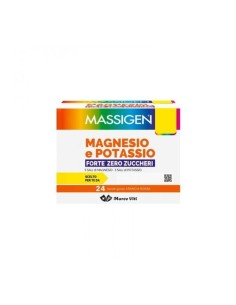
Magnesium & potassium
Magnesium Potassium Forte Sugar-Free 24 Sachets
MARCO VITI FARMACEUTICI SpA
945030827
€8.64
Massigen Magnesium Potassium Forte, a magnesium and potassium supplement for muscle and nerve function. Helps reduce tiredness. Size: 24 sachets.
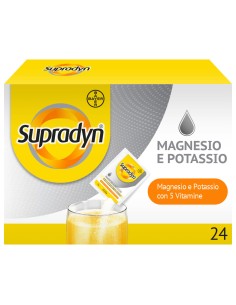

€5.98
Supradyn Magnesium/Potassium, a magnesium and potassium supplement to reduce tiredness and fatigue. Useful for electrolyte balance. Pack size: 24 sachets.

€6.74
Magnesio Potassio Zero magnesium and potassium supplement, useful to support energy and reduce tiredness. Pack size: 24 sachets.

Magnesium & potassium
Massigen Magnesium Potassium Sugar-Free 60 Tablets
MARCO VITI FARMACEUTICI SpA
944292527
€5.88
Massigen Magnesium and Potassium, supplement to help counteract tiredness and fatigue thanks to magnesium and potassium. Useful in case of deficiency. Pack size: 60 tablets.

Magnesium & potassium
Magnesium Potassium Plus Teva 24 Sachets Sugar-free Citrus Flavour
Teva
970374462
€7.01
Magnesio e Potassio Plus Teva is a food supplement in citrus-flavoured sachets, sugar-free. Magnesium and potassium contribute to the reduction of tiredness and to normal muscle function in adults. Pack of 24 sachets.
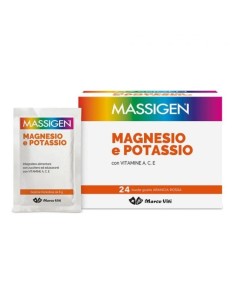
€6.89
Massigen Magnesium and Potassium, a magnesium and potassium supplement to reduce tiredness and support muscle function. Format: 24 sachets.
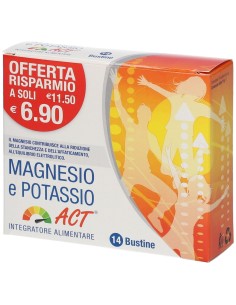

€2.77
Magnesio Potassio Act 14 Sachets, a magnesium and potassium supplement to reduce tiredness and fatigue and restore electrolyte balance. Format: 14 sachets.
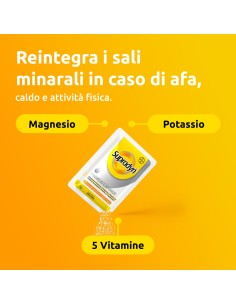

€5.21
Supradyn Magnesium/Potassium 14 Sachets, a magnesium and potassium supplement to help reduce tiredness and fatigue. Size: 14 sachets.


Magnesium & potassium
Sustenium Magnesium and Potassium 28 Sachets
A.MENARINI IND.FARM.RIUN.Srl
973662582
€8.05
Sustenium Magnesium/Potassium, a magnesium and potassium supplement to reduce tiredness and support muscle function. Ideal in case of cramps. Format: 28 sachets.

Magnesium & potassium
Magnesium Potassium + Vitamin C Orange Flavour 20 Sachets of 3.8 g
Erba Vita
981482223
€6.25
Magnesio Potassio + Vitamin C Orange for energy and the reduction of tiredness, with vitamin C for the immune system. Ideal for vegans. Format: 20 sachets.
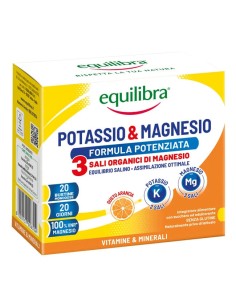
€12.69
Potassium & Magnesium 3 by Equilibra, a potassium and magnesium supplement to restore mineral salt balance after physical activity. Size: 20 sachets.
Magnesium & potassium
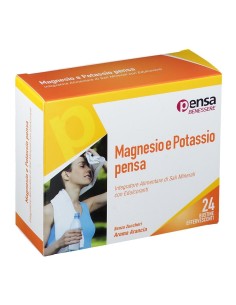
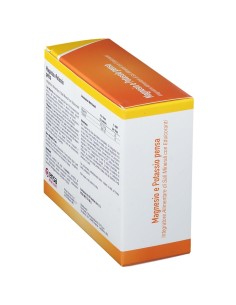
Magnesium and Potassium Orange Pensa 24 Effervescent Sachets
Pensa Pharma
924924576
€8.02
Pensa Magnesium and Potassium, a magnesium and potassium supplement for replenishing mineral salts. Useful for muscles, the nervous system and bones. Pack size: 24 sachets.
Automatic selection based on product categories and features: for a tailored choice, ask the pharmacist.
What it is and how to recognise it
Magnesium and potassium are two minerals that are essential for the proper functioning of the muscles and nervous system and for the body's fluid balance. Magnesium contributes to the reduction of tiredness and fatigue, to electrolyte balance and to normal muscle function; potassium contributes to normal muscle function, to the normal functioning of the nervous system and to the maintenance of normal blood pressure.
Normally a diet rich in fruit, vegetables, pulses and wholegrain cereals provides adequate amounts of both. Things change when needs rise suddenly, as happens in summer or during intense training.
Through sweat we lose water and electrolytes. When the loss is significant and not replaced, the following may appear:
- exhaustion, low energy and a feeling of "heavy legs";
- muscle cramps, especially in the calves and feet, including at night;
- slight tremors or twitches (the eyelid that "jumps");
- headache, irritability, difficulty concentrating;
- intense thirst and dark urine, a sign of dehydration.
The most common causes
- Summer heat and very hot, humid environments, which increase sweating.
- Intense or prolonged sporting activity, especially outdoors in the hottest hours.
- Physically demanding work or work in hot environments.
- Low intake of water, fruit and vegetables.
- Episodes of vomiting or diarrhoea, which cause a rapid loss of fluids and salts.
- High alcohol and coffee consumption, very restrictive diets, periods of intense stress.
- Some treatments, for example diuretics, which can alter salt balance: in this case a doctor's advice is needed.
Remedies and practical tips
- Drink in small sips throughout the day, without waiting until you are thirsty; drink more when it is hot or when you exercise.
- Eat potassium-rich foods: bananas, apricots, melons, citrus fruit, potatoes, tomatoes, pulses, leafy vegetables.
- For magnesium, choose nuts, oil seeds, wholegrain cereals, pulses, dark cocoa and green vegetables.
- Fresh fruit and vegetables, juices and chilled soups help you stay hydrated and replace salts naturally.
- Avoid intense physical activity in the hottest hours and wear light, breathable clothing.
- Cut down on alcohol and very sugary drinks, which do not really hydrate.
- After a long workout, replenish with water and a snack of fresh fruit, yoghurt or nuts.
- Always keep a water bottle handy, including at the office or in the car: it is the simplest way to remember to drink.
What you can find at the pharmacy
When sweating is heavy or diet is not enough, mineral salt supplements can help replace what has been lost. The main types:
- Magnesium and potassium sachets to dissolve in water, often in sugar-free versions: handy in summer and after sport.
- Magnesium alone in various forms (citrate, pidolate, bisglycinate, marine), also useful for tiredness and minor cramps.
- Formulas with B vitamins or vitamin C, which contribute to normal energy-yielding metabolism.
- Rehydration drinks and solutions with electrolytes, designed for sportspeople or to replace fluids and salts.
- Effervescent or orodispersible tablets, convenient to carry with you.
In general, sachets should be dissolved in a large glass of water and taken at the recommended doses, preferably away from other supplements or medicines. High doses of magnesium can have a mild laxative effect. Food supplements are not a substitute for proper hydration or for a varied, balanced diet.
When to see a doctor
- if you have kidney or heart disease, or take blood pressure medicines or diuretics: potassium supplementation should always be assessed by a doctor;
- if cramps are frequent, very painful or associated with swelling in one leg;
- in case of palpitations, irregular heartbeat, marked weakness or confusion;
- if signs of heatstroke appear: fever, hot and dry skin, nausea, dizziness;
- for young children and older people with vomiting or diarrhoea, who are at risk of rapid dehydration;
- during pregnancy and breastfeeding, before starting any supplement.
Frequently asked questions
Is it better to take magnesium and potassium in the morning or in the evening?
There is no single right time: many people take them in the morning or after physical activity, while others prefer the evening for magnesium. What matters most is regularity and respecting the doses.
Are supplements enough if I do not drink much?
No: mineral salts work together with water. Without adequate hydration, supplementation loses much of its usefulness.
Can they be taken every day in summer?
For short periods, at the recommended doses, they are generally well tolerated by healthy people. If you have health conditions or take medicines, ask your doctor or pharmacist first.
The information on this page is for general information purposes only and does not replace the advice of a doctor or pharmacist. Food supplements should not be used as a substitute for a varied, balanced diet and a healthy lifestyle. If symptoms persist or are severe, consult a healthcare professional.