
Shopping Cart


Vitamin D deficiency: symptoms, causes and what to do
Vitamin D deficiency is very common even in a sunny country like Italy, especially in the winter months and among people who spend a lot of time indoors. This vitamin is essential for bones, muscles and the immune system. Here is how to recognise the problem, how to prevent it and what you can find at the pharmacy.
Read the full guide ↓Useful products for vitamin d deficiency
Vitamin D3 dropsVitamin D3 and K2Calcium and vitamin DVitamin D capsules
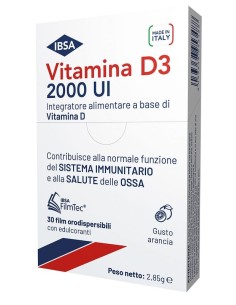
€11.73
Vitamin D3 2000 IU by IBSA is a supplement that helps prevent possible states of Vitamin D deficiency due to limited exposure to sunlight or physiological conditions, formulated to support:
The normal function of the immune system;
The normal absorption of phosphorus and calcium by the body, maintaining normal blood calcium levels;
Bone health.
Pack...

€12.77
Vitamin D3 acts both directly on bone tissue and in the intestine, increasing calcium reabsorption and improving bone mobility and health. This vitamin D supplement is important because it:improves bone healthincreases mobility contributes to the maintenance of normal bones Vitamin D drops can be taken by people of all ages
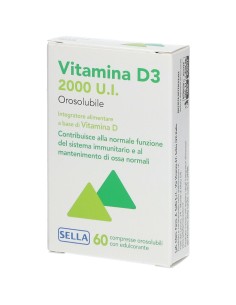
€8.53
Vitamin D3 2000 IU Orodispersible, a food supplement for the well-being of bones and the immune system. With high-dose Vitamin D3. Size: 60 tablets.

€10.37
IBSA Vitamin D3 is an innovative supplement that provides vitamin D, essential for the normal absorption and utilisation of calcium and phosphorus in the body, which contributes to the maintenance of normal bones and to the function of the immune system, making it particularly useful for at-risk groups such as menopausal women.
Format: pack of 30...
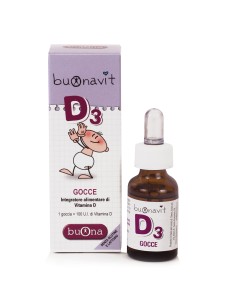
€13.60
Buonavit D3 12 ml is a food supplement based on vitamin D3 that supports the well-being of cartilage, joints and bones in children. Vitamin D drops:support bone metabolism and help strengthen bones;help support normal immune function;contribute to normal muscle function and may support mood.Buonavit vitamin D for children contains a 12 ml bottle.
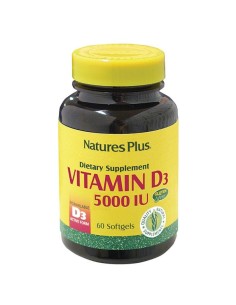
€28.72
Vitamin D3 is a food supplement based on vitamin D3 for maintaining bone health and supporting the wellbeing of the immune system.What vitamin D3 is used for:Helps the intestinal absorption of calcium and phosphateImproves the deposition of calcium in the bonesHelps maintain cartilage trophismVitamin D 3 also supports the renal reabsorption of calcium...

€6.02
Erbamea Vitamin D3 is a food supplement of vitamin D3 in 2000 IU tablets, made by Erbamea, that supports the immune system and the musculoskeletal system.Erbamea Vitamin D3 is indicated to support:Intestinal absorption of calciumRenal reabsorption of calcium and phosphorusNormal bones and muscles

€20.94
Vitamin D3+K2 60 capsules, a supplement for the well-being of bones and the cardiovascular system. With vitamin D3 and K2. Size: 60 capsules.
€19.46
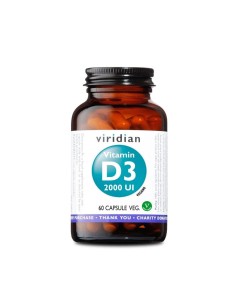
Viridian Vitamin D3 2000 IU is a supplement rich in vitamin D, contributing to normal bone and muscle function, to the normal function of the immune system and to the process of cell division.
Size: jar of 60 capsules.

€14.37
Xinovit D3 is a food supplement based on cholecalciferol, i.e. vitamin D3. Thanks to its active ingredients, this product is useful to:Support the absorption of calcium and phosphorus Maintain healthy bone tissueHelp maintain bone health, for example with ageing

€11.64
Eos D3-K2 Advance, a vitamin D3 and K2 supplement for the wellbeing of bones and the immune system. Ideal for vegetarians and vegans. Pack size: 60 chewable tablets.
€12.84
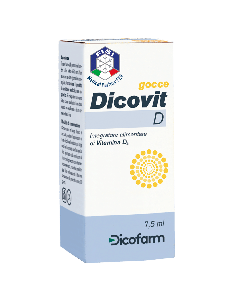
Food supplement in drops based on vitamin D3, useful for the maintenance of normal bones and immune system. 7.5 ml bottle.
Automatic selection based on product categories and features: for a tailored choice, ask the pharmacist.
What it is and how to recognise it
Vitamin D is a rather unusual fat-soluble vitamin: only a small part comes from food, while most of it is produced by the skin through exposure to sunlight. It contributes to the absorption of calcium and phosphorus, the maintenance of normal bones and teeth, normal muscle function and the normal function of the immune system.
A vitamin D deficiency often causes no obvious symptoms for a long time. When it does show, it can appear as:
- general tiredness and a feeling of muscle weakness;
- widespread bone or muscle pain, cramps;
- greater bone fragility over time, with an increased risk of fractures in older people;
- lower mood, especially in months with little light.
The only way to know whether your levels are really low is a blood test, to be assessed with your doctor.
The most common causes
- Little sun exposure: indoor work, winter, covering clothing, constant use of very high-factor sunscreens.
- Older age: with the years the skin produces less vitamin D and people often go out less.
- Dark skin, which requires longer exposure to produce the same amount.
- Excess weight: vitamin D tends to "stay" in fatty tissue and is less available.
- Disorders of intestinal fat absorption, liver or kidney disease.
- Pregnancy, breastfeeding and the first year of life, phases in which needs are particularly important.
Remedies and practical tips
- In the warmer months, expose your arms and legs to the sun for short periods, avoiding the hottest hours and never getting burnt.
- Spend time outdoors regularly: a daily walk helps both vitamin synthesis and bone and muscle health.
- Remember that sunlight filtered through home or car windows does not effectively stimulate vitamin D production.
- Eat the foods that contain the most: oily fish (salmon, mackerel, sardines, herring), eggs, liver and some fortified foods.
- Make sure you get enough calcium with dairy products, calcium-rich waters, green leafy vegetables and nuts.
- Exercise regularly: weight-bearing activity, such as walking or climbing stairs, helps maintain bone mass.
What you can find at the pharmacy
When sun and diet are not enough, a vitamin D supplement can help you reach an adequate intake. The main types are:
- Vitamin D3 (cholecalciferol) as drops, oral spray, softgels or tablets: the form most used in supplements.
- Vitamin D3 with vitamin K2: K2 contributes to the maintenance of normal bones and is often combined with D3.
- Calcium and vitamin D: formulations designed for those with a low dietary calcium intake.
- Specific drops for infants and children, to be used only on the advice of a paediatrician.
Being fat-soluble, vitamin D is better absorbed when taken with a meal that contains some fat. It is important to respect the recommended doses: unlike other vitamins, a prolonged excess can accumulate and become harmful. If you already take other supplements or products containing it, add up the amounts and ask your pharmacist for advice. Remember that food supplements are not a substitute for a varied, balanced diet and a healthy lifestyle.
When to see a doctor
- if you have persistent bone pain or marked muscle weakness, or have had fractures from minor trauma;
- if you are menopausal or have been diagnosed with osteopenia or osteoporosis;
- during pregnancy and breastfeeding, and for newborns and children: doses and duration are decided by the gynaecologist or paediatrician;
- if you have kidney, liver or bowel disease or kidney stones;
- if you take medicines on a regular basis that might interfere with vitamin D metabolism;
- before taking high doses, always after a blood test.
Frequently asked questions
Is spending time in the sun in summer enough to stock up on vitamin D?
Summer exposure helps build up reserves, but it is often not enough to last the whole winter, especially in older people or those who get little sun. Your doctor can assess whether a check is needed.
Drops or capsules: which is better?
It depends on your preferences: drops allow precise dosing and are practical for children and older people, while capsules are convenient when you are away from home. What matters is regularity.
Does sunscreen prevent vitamin D production?
Sun protection reduces synthesis, but it should not be abandoned: the risk of sunburn and skin damage remains the priority. Short exposures and an adequate diet help strike a balance.
The information on this page is for general information purposes only and does not replace the advice of a doctor or pharmacist. Food supplements should not be used as a substitute for a varied, balanced diet and a healthy lifestyle. If symptoms persist or are severe, consult a healthcare professional.