
Shopping Cart


Omega 3: what they do, when to take them and how to choose
Omega 3 are essential fatty acids that the body cannot produce in sufficient quantities on its own and that must come from food. They are important for the heart, the brain and vision, but diets often contain too little of them. Here is when they may be useful and how to find your way between foods and supplements.
Read the full guide ↓Useful products for omega 3: when you need them
Fish oilKrill oilPlant-based algae omega 3Omega 3 for pregnancy
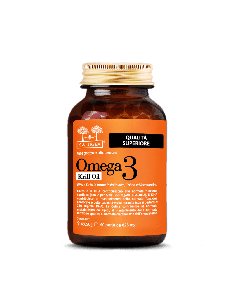

€36.47
Salugea Omega 3 Krill Oil, a krill oil supplement rich in EPA and DHA for normal heart, brain and vision function. Format: 60 softgels.
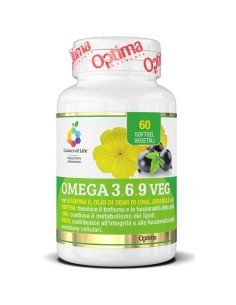
€15.71
Softgel supplement based on omega 3-6-9 vegetable oils and vitamin E, supporting skin tone and function. Pack of 60 softgels.
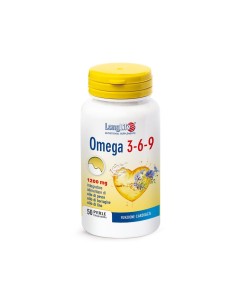
€18.95
Longlife omega 3 6 9, a supplement for the control of plasma lipids that supports heart function thanks to essential fatty acids. Format: 50 softgels.

€19.75
Longlife OMEGA 3 6 9 is a food supplement of omega 3 rich in stearidonic acid, useful for supporting normal heart functionMain benefits of Longlife omega 3 6 9supports the cardiovascular system with beneficial effects on triglycerideshas a protective action on the cardiovascular systemcontributes to the maintenance of normal blood cholesterol levelsTake...

€11.74
Norsan Omega-3 Arktis, cod liver oil capsules rich in Omega-3 for heart and brain health. Format: 120 capsules.
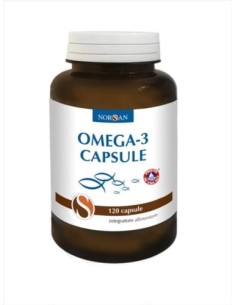
Last items in stock
€23.05
Omega-3 Capsules is a high-quality supplement providing a rich source of unsaturated fatty acids, including monounsaturated and polyunsaturated, essential to support general wellbeing, with added vitamin E for its antioxidant properties, for those looking for natural dietary support.
Format: jar of 120 capsules.

€9.77
VITI OMEGA 3 MULTIAZIONE, an Omega 3 supplement for heart function, enriched with vitamin E. Pack size: 60 softgels.
€14.14
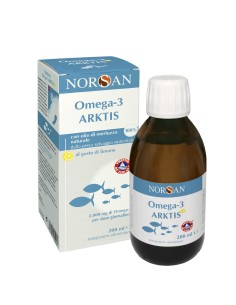
Food supplement in oil form based on omega-3 from cod liver oil, with vitamins A, D and E. 200 ml bottle.

€8.24
F&F Omega 3 Act 1G is a fish oil-based food supplement that contributes to normal heart, vision and brain function. F&F Omega 3 1G is formulated with:EPA, which supports heart function;DHA, which helps maintain normal vision and brain function;vitamin E, which contributes to the protection of cells from oxidative stress.
€20.68
Norsan Omega 3 Total, an omega 3 supplement for heart and brain health, with vitamin D3. Size: 200 ml bottle.
€8.55
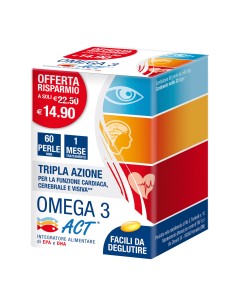
Omega 3 Act supplement supports heart, brain and vision function thanks to EPA and DHA. Useful for well-being. Format: 60 mini softgels.


€30.95
Food supplement in softgels based on high-concentration Omega 3 (EPA and DHA) from fish oil. Pack of 60 softgels.
Automatic selection based on product categories and features: for a tailored choice, ask the pharmacist.
What it is and how to recognise it
Omega 3 are a family of polyunsaturated fats. The most important are alpha-linolenic acid (ALA), of plant origin, and two long-chain fatty acids: EPA and DHA, found mainly in fish. The body can convert only a small part of ALA into EPA and DHA, which is why it is important to consume them directly.
EPA and DHA contribute to the normal function of the heart; DHA also contributes to the maintenance of normal brain function and normal vision. There are no specific symptoms of a low omega 3 intake, but some situations may suggest a diet that is poor in them:
- eating fish rarely or never;
- particularly dry, dull skin;
- a diet rich in saturated fats, fried foods and processed products;
- borderline blood triglyceride levels, flagged by your doctor.
The most common causes
An insufficient omega 3 intake depends mainly on eating habits:
- little oily fish on the weekly menu;
- a vegetarian or vegan diet, which lacks direct sources of EPA and DHA;
- an imbalance between omega 6 and omega 3, typical of a diet rich in seed oils and processed foods;
- phases of greater need, such as pregnancy and breastfeeding, when DHA is important for the baby's development;
- older age and poorly varied diets.
How we cook also matters: high-temperature frying and prolonged cooking alter the more delicate fats, reducing the benefit of a food that is naturally rich in omega 3.
Remedies and practical tips
- Eat fish two or three times a week, favouring oily fish (sardines, anchovies, mackerel) and salmon.
- Choose gentle cooking methods, such as steaming, baking or cooking en papillote, which better preserve the good fats.
- Add plant sources of ALA: ground flaxseed, chia seeds, walnuts, raw flaxseed oil.
- Use extra virgin olive oil as your main dressing and cut down on fried foods, margarines and packaged snacks.
- If you do not like fish, try different preparations: fishcakes, sauces, seafood salads or tinned fish in water, which is practical and rich in omega 3.
- Store flaxseed and walnuts in the fridge, in closed containers: polyunsaturated fats easily go rancid with air, light and heat.
- Combine these habits with regular physical activity and a healthy body weight, allies of cardiovascular wellbeing.
What you can find at the pharmacy
When your diet contains little of them, an omega 3 supplement can help you reach an adequate intake. The main types:
- Fish oil in softgels, often purified and concentrated in EPA and DHA: this is the most common form.
- Krill oil, which contains omega 3 bound to phospholipids and naturally contains astaxanthin.
- Algae omega 3: a plant source of DHA and EPA, suitable for those following a vegan diet.
- Formulas dedicated to pregnancy and breastfeeding, rich in DHA, and versions for children as drops or chewables.
- Combinations with vitamin E, which contributes to the protection of cells from oxidative stress, or with other nutrients for the heart and vision.
When choosing, look at the actual EPA and DHA content per dose, not just the amount of oil, and prefer products that state they are purified from heavy metals and contaminants. Taking the capsules with meals improves absorption and reduces the fishy aftertaste. Store the pack in a cool place away from light. Food supplements are not a substitute for a varied, balanced diet and a healthy lifestyle.
When to see a doctor
- if you take anticoagulants or antiplatelet medicines, because high doses of omega 3 can affect blood clotting;
- if you are due to have surgery;
- if you have high triglycerides or cholesterol: a supplement does not replace your doctor's advice and treatments;
- in case of allergy to fish or shellfish, before choosing fish or krill oil;
- during pregnancy and breastfeeding and for children, to establish the suitable form and dose.
Frequently asked questions
Do omega 3 make you put on weight?
At supplement doses the calorie intake is minimal. They are "good" fats, but like any other nutrient they should be part of a balanced diet.
What is the difference between omega 3, 6 and 9?
They are all unsaturated fats, but omega 6 are already abundant in the modern diet and we produce omega 9 ourselves. Omega 3 are the ones most often lacking.
Why do some capsules leave a fishy aftertaste?
It happens mainly if they are taken on an empty stomach. Taking them with meals, storing them in a cool place or choosing gastro-resistant capsules helps reduce the problem.
The information on this page is for general information purposes only and does not replace the advice of a doctor or pharmacist. Food supplements should not be used as a substitute for a varied, balanced diet and a healthy lifestyle. If symptoms persist or are severe, consult a healthcare professional.