
Shopping Cart


Joint pain: causes, remedies and pharmacist's advice
Joint pain is one of the most common complaints after the age of forty, but it can appear at any age, for example after exertion or a period of inactivity. Understanding where it comes from helps you choose the right habits and the most suitable products to keep your joints moving.
Read the full guide ↓Useful products for joint pain
Joint supplementsSoothing gels and creamsSelf-heating wrapsKnee supports and braces
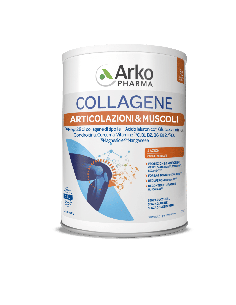
€16.93
ArkoPharma Collagen Joints & Muscles supports muscle and joint function with collagen, vitamins and minerals. Size: 260g powder.


€14.47
BioAttivo Glucos+COND 60CPR food supplement for joint and bone function, with glucosamine, chondroitin and vitamin C. Pack size 60 tablets.
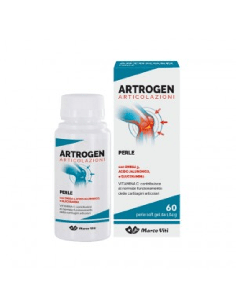
€11.61
Artrogen is a food supplement in softgels designed to help ease joint discomfort, providing relief and greater mobility. Artrogen Joints 60 softgels supports joint well-being:Enriched with Omega 3 and vitamin CHelps reduce muscle stiffnessSupports collagen production
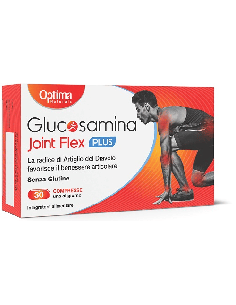
€15.67
Glucosamine Joint Flex Plus, a supplement for joint well-being with glucosamine, chondroitin, MSM and devil's claw. Format: 30 tablets.

€17.47
CartiJoint PRO, a supplement for joint function with glucosamine, chondroitin and Pycnogenol. Useful for joint well-being. Pack size: 15 tablets.

Cartilage & joint supplements
Cartylis Hydrolysed Collagen 28 Vials x 25 ml
APTISSEN ITALIA Srl
979809872
€49.13
Cartylis Collag IDR for the normal function of bones and cartilage, contains hydrolysed collagen, vitamins and selenium. Pack size: 28 vials of 25 ml.

€20.06
Tendijoint Forte 20 tablets belongs to the category of supplements for tendons and joints, based on:type I collagenvitamin C, which contributes to collagen formationmucopolysaccharidesmanganesemaritime pine dry extract (Pycnogenol), with antioxidant functionTendijoint forte dosage: 1 tablet a day after lunch
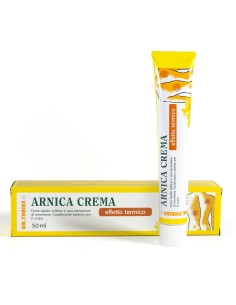
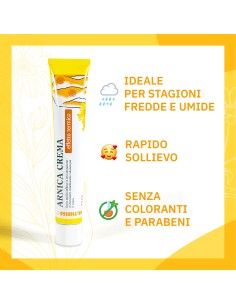
€7.67
Theiss Arnica Warming Ointment 50 g, a warming ointment to bring relief and warmth to areas under strain. Pack size: 50 g tube.
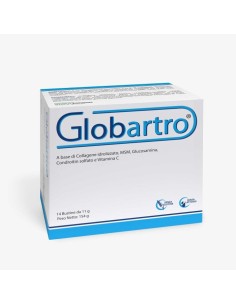
€20.99
Globartro Food Supplement supports joint function, with collagen, glucosamine and chondroitin to protect cartilage. Format: 14 sachets.

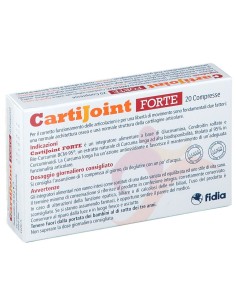
€19.58
CartiJoint Forte is an antioxidant and joint-support food supplement based on: A natural extract of curcuma longaGlucosamine hydrochlorideChondroitin sulphate and bio-curcumin BCM-95The maintenance of proper joint function is supported by the antioxidant action of curcuma longa.

€23.14
Artrosulfur Visc is a food supplement based on vitamin C, formulated to promote collagen formation and support joint well-being. Artrosulfur C Artrosil:Helps maintain proper cartilage functionContributes to normal joint functionTakes part in cell replication processesHelps keep bones in good condition

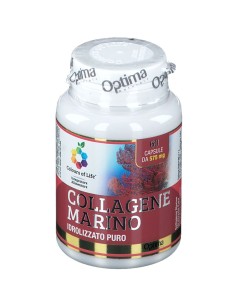
Cartilage & joint supplements
Colours of Life Pure Hydrolysed Marine Collagen 60 Capsules 575 mg
Optima Naturals
971299971
€14.42
Hydrolysed marine collagen by Optima Colours Of Life is a product formulated for the health of the skin and all connective tissues. Collagen is a fibrous protein with a fundamental structural role in our body, ensuring the right strength and elasticity of all body tissues.warnings:keep out of the reach of children do not exceed the recommended dosestore...
Automatic selection based on product categories and features: for a tailored choice, ask the pharmacist.
What it is and how to recognise it
The term joint pain refers to discomfort in the knees, hips, hands, shoulders, ankles or spine. It may present as a dull, constant ache, as a sharp twinge during movement or as a feeling of stiffness, typically in the morning or after sitting for a long time.
It is often accompanied by creaking, reduced range of movement and, in some cases, mild swelling. When the discomfort improves after the first few minutes of activity and gets worse with overload, it is frequently linked to cartilage wear; if instead the joint is warm, red and very swollen, the situation deserves a medical assessment. The pain may affect a single joint, perhaps the one most stressed by work or sport, or several areas at once; noting when it appears, how long it lasts and what relieves it is also useful for describing it clearly to your doctor.
The most common causes
- Age-related cartilage wear: over the years the tissue that cushions the joints tends to become thinner.
- Excess weight: every extra kilo increases the load on knees, hips and ankles.
- Functional overload from repetitive work, intense sport or poor posture held for long periods.
- Previous injuries, such as sprains or fractures, which can leave a joint more vulnerable.
- A sedentary lifestyle: weak muscles give the joints less support.
- Inflammatory or metabolic conditions, which always require a diagnosis from a doctor.
Remedies and practical tips
- Move every day with low-impact activities: walking, cycling, swimming and aqua gym keep the joint lubricated without overloading it.
- Strengthen your thigh and gluteal muscles: toned muscles protect knees and hips.
- Try to maintain a healthy weight; even small reductions lighten the load on your joints.
- Eat oily fish, fruit, colourful vegetables, pulses and extra virgin olive oil; limit refined sugars and alcohol.
- Alternate heat and cold: heat helps to ease stiffness, cold is useful after exertion or when there is swelling.
- Choose comfortable, well-cushioned shoes and avoid staying in the same position for long.
What you can find at the pharmacy
Joint supplements often contain glucosamine, chondroitin, collagen, hyaluronic acid, MSM or plant extracts such as boswellia, turmeric and devil's claw. They may help support cartilage wellbeing and normal joint function; they generally need to be taken consistently for a few weeks, following the doses shown on the label. Anyone taking anticoagulants or other medicines should ask their doctor or pharmacist first.
For local relief there are gels and creams with a warming or cooling effect (with arnica, menthol, camphor, devil's claw), to be massaged gently into the area. Self-heating wraps and heat pads provide constant, prolonged warmth, while knee supports and elastic braces can give support during more demanding activities.
Remember that food supplements are not a substitute for a varied, balanced diet and a healthy lifestyle.
When to see a doctor
- A very swollen, warm or red joint, especially if accompanied by fever.
- Pain that appeared after an injury, with difficulty bearing weight or deformity.
- Morning stiffness lasting more than half an hour or pain affecting several joints at the same time.
- Night pain that does not ease with rest or that persists for more than a few weeks.
- During pregnancy, in children and in people with chronic conditions, before taking any food supplement.
Frequently asked questions
Is heat or cold better for painful joints?
Heat is suitable for chronic stiffness and tension, cold for acute phases with swelling or after exertion. If in doubt, ask the pharmacist for advice.
How long does it take to see the effects of joint supplements?
It usually takes a few weeks of regular use: these products are designed for gradual support, not for an immediate effect.
If my knees hurt, is it better to rest?
Complete rest rarely helps: gentle, regular movement keeps the joint mobile. Only avoid what triggers intense pain.
The information on this page is for general information purposes only and does not replace the advice of a doctor or pharmacist. Food supplements should not be used as a substitute for a varied, balanced diet and a healthy lifestyle. If symptoms persist or are severe, consult a healthcare professional.