
Shopping Cart


Fragile bones and osteoporosis: prevention and pharmacist's tips
Fragile bones are a silent condition: loss of bone mass causes no symptoms until a fracture occurs. Osteoporosis mainly affects women after the menopause, but diet, exercise and an adequate intake of calcium and vitamin D make a difference at any age.
Read the full guide ↓Useful products for fragile bones and osteoporosis
Calcium and vitamin DVitamin DBone supplementsMenopause formulas
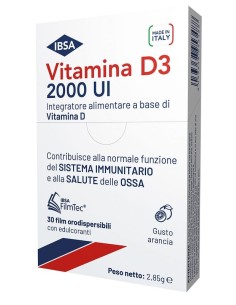
€11.12
Vitamin D3 2000 IU by IBSA is a supplement that helps prevent possible states of Vitamin D deficiency due to limited exposure to sunlight or physiological conditions, formulated to support:
The normal function of the immune system;
The normal absorption of phosphorus and calcium by the body, maintaining normal blood calcium levels;
Bone health.
Pack...

€12.77
Vitamin D3 acts both directly on bone tissue and in the intestine, increasing calcium reabsorption and improving bone mobility and health. This vitamin D supplement is important because it:improves bone healthincreases mobility contributes to the maintenance of normal bones Vitamin D drops can be taken by people of all ages
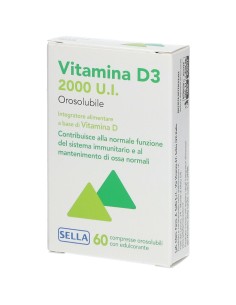
€8.53
Vitamin D3 2000 IU Orodispersible, a food supplement for the well-being of bones and the immune system. With high-dose Vitamin D3. Size: 60 tablets.

€10.37
IBSA Vitamin D3 is an innovative supplement that provides vitamin D, essential for the normal absorption and utilisation of calcium and phosphorus in the body, which contributes to the maintenance of normal bones and to the function of the immune system, making it particularly useful for at-risk groups such as menopausal women.
Format: pack of 30...
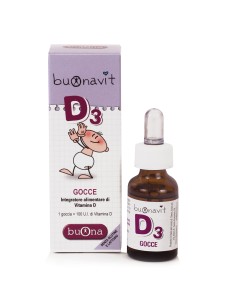
€13.60
Buonavit D3 12 ml is a food supplement based on vitamin D3 that supports the well-being of cartilage, joints and bones in children. Vitamin D drops:support bone metabolism and help strengthen bones;help support normal immune function;contribute to normal muscle function and may support mood.Buonavit vitamin D for children contains a 12 ml bottle.
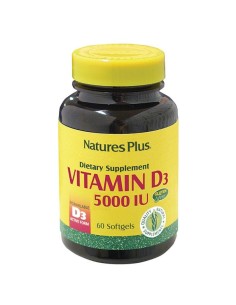
€28.87
Vitamin D3 is a food supplement based on vitamin D3 for maintaining bone health and supporting the wellbeing of the immune system.What vitamin D3 is used for:Helps the intestinal absorption of calcium and phosphateImproves the deposition of calcium in the bonesHelps maintain cartilage trophismVitamin D 3 also supports the renal reabsorption of calcium...

€6.02
Erbamea Vitamin D3 is a food supplement of vitamin D3 in 2000 IU tablets, made by Erbamea, that supports the immune system and the musculoskeletal system.Erbamea Vitamin D3 is indicated to support:Intestinal absorption of calciumRenal reabsorption of calcium and phosphorusNormal bones and muscles

€20.94
Vitamin D3+K2 60 capsules, a supplement for the well-being of bones and the cardiovascular system. With vitamin D3 and K2. Size: 60 capsules.

€14.37
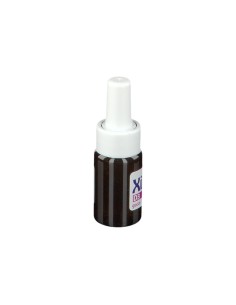
Xinovit D3 is a food supplement based on cholecalciferol, i.e. vitamin D3. Thanks to its active ingredients, this product is useful to:Support the absorption of calcium and phosphorus Maintain healthy bone tissueHelp maintain bone health, for example with ageing

€11.83
Eos D3-K2 Advance, a vitamin D3 and K2 supplement for the wellbeing of bones and the immune system. Ideal for vegetarians and vegans. Pack size: 60 chewable tablets.
€12.74
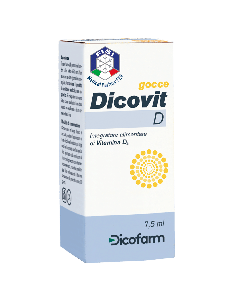
Food supplement in drops based on vitamin D3, useful for the maintenance of normal bones and immune system. 7.5 ml bottle.

€5.67
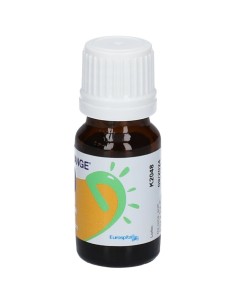
Haliborange Cholecalciferol 20000 IU drops 8 ml is a food supplement based on cholecalciferol, particularly suitable in case of vitamin D deficiency. Haliborange cholecalciferol:Contributes to the normal development of bones and teethContributes to the normal function of the immune system Contributes to normal calcium and phosphate metabolismHaliborange...
Automatic selection based on product categories and features: for a tailored choice, ask the pharmacist.
What it is and how to recognise it
Osteoporosis is a condition in which bone loses density and its internal structure deteriorates, becoming more fragile and prone to fractures even after minor trauma, such as a fall from standing height. The most typical sites are the wrist, the vertebrae and the hip.
The problem is that fragile bones do not hurt: often the first warning sign is the fracture itself. Indirect signs may include loss of height over time, an increasingly curved back or sudden back pain with no apparent cause. The only way to measure bone density is a specific test prescribed by a doctor, bone densitometry (DEXA scan). Precisely because the condition is silent, prevention matters more than anything: bone stock is built when we are young and must then be protected consistently throughout life.
The most common causes
- Menopause: the drop in oestrogen speeds up the loss of bone mass.
- Older age, in both women and men.
- Low intake of calcium and low levels of vitamin D, often due to little sun exposure.
- A sedentary lifestyle and little weight-bearing activity.
- Smoking, excess alcohol, being very underweight or following very restrictive diets.
- Family history, some chronic diseases and prolonged treatment with certain medicines, such as corticosteroids.
Remedies and practical tips
- Include sources of calcium every day: milk and yoghurt, mature cheeses in moderation, small oily fish eaten with their bones, green leafy vegetables, pulses, nuts and calcium-rich mineral waters.
- Expose your arms and face to sunlight for a few minutes a day, using common sense in the hottest hours: it helps the natural synthesis of vitamin D.
- Exercise regularly: brisk walking, dancing and exercises with light weights stimulate the bone; balance exercises reduce the risk of falls.
- Do not neglect protein, which is also essential for healthy bone tissue.
- Stop smoking and limit alcohol, salt and sugary drinks.
- Make your home safer: secured rugs, good lighting, grab rails in the bathroom.
What you can find at the pharmacy
Calcium and vitamin D supplements are the most common choice: calcium is needed for the maintenance of normal bones and vitamin D contributes to the normal absorption and utilisation of calcium. They come as drops, tablets, sachets or weekly and monthly formulas for vitamin D, often combined with vitamin K2 and magnesium, which also contribute to the maintenance of normal bones.
There are also specific menopause formulas that combine bone minerals with plant extracts for women's wellbeing, and supplements with collagen or silicon. The choice of dosage, especially for vitamin D, should be agreed with your doctor, ideally after checking blood levels: an excess brings no additional benefit.
Food supplements are not a substitute for a varied, balanced diet and a healthy lifestyle, nor for any treatment prescribed.
When to see a doctor
- After a fracture caused by minor trauma.
- If you notice a loss of height or a curving of the back.
- After the menopause, especially if early, or if there is a family history of osteoporosis, to assess whether a bone density scan is appropriate.
- In case of prolonged treatment with corticosteroids or other medicines that affect bone.
- Before taking high-dose vitamin D or calcium supplements, especially if you have kidney stones or other conditions.
Frequently asked questions
Does osteoporosis only affect women?
Women are more at risk after the menopause, but men can also develop fragile bones, especially in older age.
Is drinking lots of milk enough to protect your bones?
Milk is a good source of calcium, but you also need vitamin D, protein, exercise and healthy habits: bone health depends on all these factors together.
Can I take vitamin D without having tests?
For the maintenance doses shown on the label there are generally no problems, but for higher doses it is advisable to check blood levels and talk to your doctor.
The information on this page is for general information purposes only and does not replace the advice of a doctor or pharmacist. Food supplements should not be used as a substitute for a varied, balanced diet and a healthy lifestyle. If symptoms persist or are severe, consult a healthcare professional.