
Shopping Cart


Muscle cramps: causes, remedies and pharmacist's advice
Muscle cramps are sudden, painful contractions that mainly affect the calves and feet, often at night or during physical activity. In most cases they are harmless and linked to tiredness, sweating or poor hydration, and a few everyday measures can help reduce how often they occur.
Read the full guide ↓Useful products for muscle cramps
Magnesium and potassiumMineral saltsMagnesium supplementsMuscle-relaxing gels

€18.94
Magnesio Supremo magnesium supplement, supports muscle function and the nervous system and helps reduce tiredness. Vegan, gluten-free and lactose-free. Format: 300g.
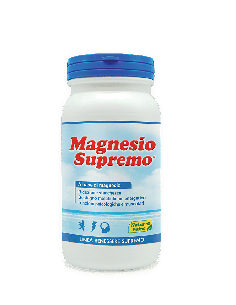
€11.83
Magnesio Supremo, a magnesium supplement to reduce tiredness and support muscle and nerve function. Ideal for general well-being. Pack size: 150 g jar.
Magnesium & potassium
Magnesium Potassium Forte Sugar-Free 24 Sachets
MARCO VITI FARMACEUTICI SpA
945030827
€8.64
Massigen Magnesium Potassium Forte, a magnesium and potassium supplement for muscle and nerve function. Helps reduce tiredness. Size: 24 sachets.
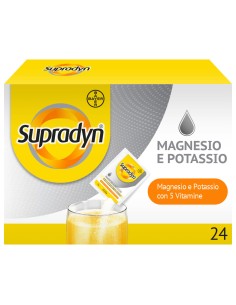

€5.98
Supradyn Magnesium/Potassium, a magnesium and potassium supplement to reduce tiredness and fatigue. Useful for electrolyte balance. Pack size: 24 sachets.

€6.74
Magnesio Potassio Zero magnesium and potassium supplement, useful to support energy and reduce tiredness. Pack size: 24 sachets.
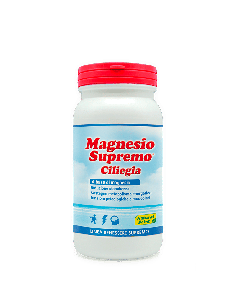
€12.35
Magnesio Supremo Cherry, a magnesium supplement for muscle function and the reduction of tiredness. Suitable for vegans. Pack size: 150g jar.

Magnesium & potassium
Massigen Magnesium Potassium Sugar-Free 60 Tablets
MARCO VITI FARMACEUTICI SpA
944292527
€5.88
Massigen Magnesium and Potassium, supplement to help counteract tiredness and fatigue thanks to magnesium and potassium. Useful in case of deficiency. Pack size: 60 tablets.

Magnesium & potassium
Magnesium Potassium Plus Teva 24 Sachets Sugar-free Citrus Flavour
Teva
970374462
€7.01
Magnesio e Potassio Plus Teva is a food supplement in citrus-flavoured sachets, sugar-free. Magnesium and potassium contribute to the reduction of tiredness and to normal muscle function in adults. Pack of 24 sachets.

€12.30
Magnesio Supremo Lemon, a magnesium supplement for muscle function and the nervous system, with natural lemon flavouring. Pack size: 150g tub.
€20.89
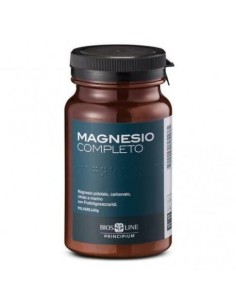
PRINCIPIUM Magnesio Completo 400g, a magnesium supplement to support the nervous system and muscle function and reduce tiredness. Format: 400g.

€12.11
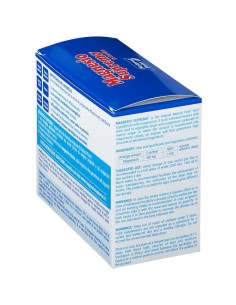
Magnesio Supremo supports muscle function and the nervous system, reducing tiredness. Ideal for general well-being. Pack size: 32 sachets.


€20.89
PRINCIPIUM Magnesio Completo, a magnesium supplement to support the nervous and muscular systems and reduce tiredness. Suitable for vegans. Size: 180 tablets.
Automatic selection based on product categories and features: for a tailored choice, ask the pharmacist.
What it is and how to recognise it
A muscle cramp is an involuntary, intense and prolonged contraction of a muscle, which hardens and becomes tender to the touch. It lasts from a few seconds to a few minutes and can leave soreness in the hours that follow.
The areas most affected are the calf, the sole of the foot and the thigh. Night cramps, which wake you suddenly, are very common, as are those that appear during or just after exertion, especially in hot weather. People who suffer from them often also describe small fasciculations, that is involuntary muscle twitches, or a feeling of tension before the actual cramp. Swimmers, cyclists and runners know them well too, particularly in the final stages of a race or a long training session.
The most common causes
- Dehydration and heavy sweating, with loss of mineral salts.
- Insufficient intake of magnesium and potassium, minerals involved in normal muscle function.
- Muscle fatigue after intense or insufficiently gradual training.
- Positions held for a long time, such as standing for many hours or sitting with your legs crossed.
- Pregnancy, older age and some medicines (for example diuretics), which can make them more likely.
- Sluggish circulation in the legs.
Remedies and practical tips
- During the cramp, gently stretch the muscle: for the calf, pull the tip of your foot towards you keeping your leg straight, then massage the area.
- Drink regularly throughout the day, not only when you are thirsty, and replace fluids after sport.
- Eat mineral-rich foods: nuts, pulses, wholegrain cereals, green leafy vegetables, bananas, citrus fruit.
- Before going to sleep, spend a few minutes stretching your calves and thighs.
- Increase the intensity and duration of training gradually and do not skip the warm-up.
- Limit alcohol and excessive coffee, which can encourage fluid loss.
What you can find at the pharmacy
Magnesium and potassium supplements are the most popular: magnesium contributes to normal muscle function and to the reduction of tiredness and fatigue, potassium to normal muscle and neuromuscular function. They come as sachets to dissolve in water, tablets or orodispersible formulas, often enriched with B vitamins or vitamin C. They are particularly useful in the warmer months and for people who do sport.
For those who exercise there are also mineral salts in rehydrating formulas to take during or after training. Locally, gels and creams with a warming or muscle-relaxing effect can bring relief when massaged into the sore area.
People with kidney problems or who take blood pressure medicines should consult their doctor before taking potassium supplements. Food supplements are not a substitute for a varied, balanced diet and a healthy lifestyle.
When to see a doctor
- Very frequent cramps that disturb your sleep for weeks.
- Cramps accompanied by muscle weakness, persistent tingling or loss of sensation.
- A swollen, warm, painful leg even at rest: this may indicate a circulation problem that needs to be assessed immediately.
- Cramps that started after beginning a new medicine.
- During pregnancy, talk to your gynaecologist before taking food supplements.
Frequently asked questions
Why do cramps come on at night?
At night the muscles stay in the same position for a long time, often with the foot pointed, and after a tiring day they are more prone to contracting. Stretching in the evening can help.
Is eating bananas enough to prevent cramps?
Bananas provide potassium, but they are not enough on their own: hydration, a varied diet rich in minerals and appropriate training all matter.
Can magnesium and potassium be taken every day?
Yes, during periods of greater need, respecting the doses shown on the label. If you have health conditions or take medicines, it is best to ask your doctor first.
The information on this page is for general information purposes only and does not replace the advice of a doctor or pharmacist. Food supplements should not be used as a substitute for a varied, balanced diet and a healthy lifestyle. If symptoms persist or are severe, consult a healthcare professional.