
Shopping Cart


Acid reflux and heartburn: causes, remedies and advice
A burning sensation behind the breastbone, an acid taste in the mouth and regurgitation after meals are the typical signs of acid reflux and heartburn. It is a very common complaint, often linked to what we eat and how we eat it, and it can improve by following a few simple rules.
Read the full guide ↓Useful products for acid reflux and heartburn
AlginatesMucosal protectorsChewable antacidsSoothing plant extracts


Acidity & reflux
Maalox Reflurapid Stops Reflux, Neutralises Hyperacidity Heartburn, 20 Sachets
Sanofi
934480195
€8.79
Maalox Reflurapid stops reflux and neutralises heartburn caused by hyperacidity, 20 sachets

Acidity & reflux
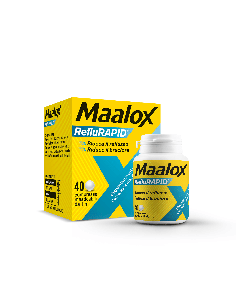
Maalox Reflurapid Blocks Reflux, Neutralises Burning from Hyperacidity, 40 Tablets
Sanofi
935131211
€8.88
Maalox Reflurapid blocks reflux, neutralises burning from hyperacidity, 40 Tablets

€4.84
Zentiva Acidity Reflux is a product specifically designed to counteract stomach pain and heartburn due to hyperacidity. Features:for the treatment of stomach burning and pain and of symptoms associated with gastro-oesophageal reflux.also useful in case of difficult digestion, burning and heaviness.Pleasant chamomile flavour.

€14.56
Gastrotuss anti-reflux syrup 500 mL is a pharmacy product for the treatment of gastric reflux. The syrup counteracts typical symptoms such as cough, heartburn, hoarseness and difficulty swallowing.The product is based on:sodium alginatesimethiconesodium bicarbonate


€10.92
Biochetasi Reflusso 20 sticks is a single-dose liquid product that aids digestion and brings relief to the stomach in case of gastro-oesophageal reflux. Specifically, what is Biochetasi for? Thanks to its composition it forms a gel that coats the oesophageal mucosa and protects it from gastric acids. Biochetasi Reflusso is suitable for everyone:...


€8.07
Biochetasi Digestion and Acidity is a food supplement that acts on acidity, bloating, flatulence and a feeling of heaviness. Biochetasi tablets have a triple action:they contribute to normal digestive function they support the activity of the digestive enzymes already present in the bodythey help control gastric acidityBiochetasi before or after meals:...
€4.68
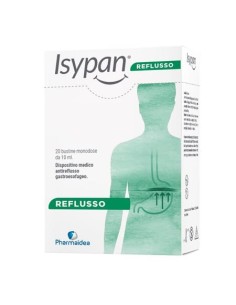
Medical device in oral suspension based on sodium alginate and neutralising agents, to counteract the symptoms of gastro-oesophageal reflux and protect the oesophageal mucosa. Pack of 20 sachets of 10 ml.

€13.37
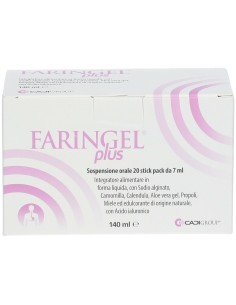
Faringel Plus, a supplement for reflux that acts against heartburn thanks to its soothing action. Also ideal for mouth inflammation. Pack size: 20 stick packs of 7 ml.

€13.26
RefluZero is a food supplement designed to support the well-being of the gastro-oesophageal tract. Thanks to its formulation, it helps relieve occasional discomfort linked to gastro-oesophageal reflux, such as heartburn, regurgitation and throat irritation.

€18.15
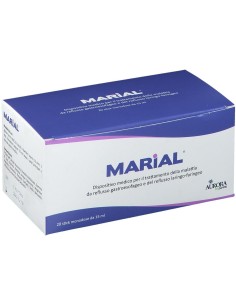
Marial 20 Oral Sticks of 15 ml is a food supplement from the Aurora Biofarma range, formulated to support the well-being of the gastro-oesophageal and laryngopharyngeal tract. Thanks to its composition, Marial sticks help to:
Support the protection of the gastric mucosa
Support the natural repair process of the gastro-oesophageal mucosa
Help maintain...
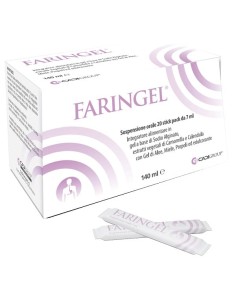
€14.03
Food supplement in gel form based on chamomile and calendula extracts, with aloe gel, eucalyptus honey, propolis and sodium alginate. Helpful for its emollient and soothing action on the digestive system of adults. 20 stick packs of 7 ml.
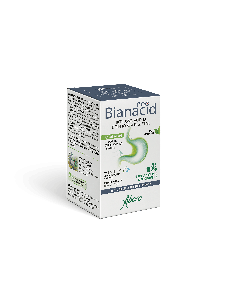

€14.35
REFLUX, ACIDITY AND DIGESTIVE DIFFICULTIES
Automatic selection based on product categories and features: for a tailored choice, ask the pharmacist.
What it is and how to recognise it
Gastro-oesophageal reflux occurs when the acidic contents of the stomach rise back up into the oesophagus, irritating its lining. Acid indigestion, on the other hand, is a burning or heavy feeling in the upper abdomen, often linked to excess acid production or difficult digestion.
The most frequent symptoms are:
- a burning sensation behind the breastbone (classic heartburn) rising towards the throat;
- acid or bitter regurgitation into the mouth;
- burping and a feeling of fullness;
- a dry cough, hoarseness or sore throat in the morning;
- discomfort that gets worse when lying down or bending forward.
The most common causes
- large, fatty meals or meals eaten in a hurry;
- irritating foods and drinks: coffee, alcohol, chocolate, mint, citrus fruit, tomato, fried foods, fizzy drinks;
- lying down straight after eating;
- being overweight and pressure on the abdomen, including from tight clothing;
- cigarette smoking;
- pregnancy, due to hormonal and mechanical effects;
- stress, which can heighten the perception of burning;
- certain medicines, such as anti-inflammatories, to be assessed with your doctor.
Not everyone reacts the same way to the same foods: some people tolerate coffee well but suffer with tomato, while others have problems mainly with citrus fruit or spicy foods. Keeping a note for a few weeks of what you eat and when the burning appears helps you identify your own weak spots without unnecessary sacrifices.
Remedies and practical tips
- Have small, frequent meals, chewing calmly.
- Eat dinner at least two or three hours before going to bed.
- Raise the head of your bed by a few centimetres or sleep on your left side.
- Limit coffee, alcohol, chocolate, spicy foods, fried foods and fizzy drinks.
- Avoid belts and trousers that are too tight around the waist.
- If you are overweight, even a small reduction in weight can make a difference.
- Stop smoking: smoking encourages acid to rise.
What you can find at the pharmacy
For occasional heartburn there are several types of products available, many of which are medical devices:
- Alginates: form a kind of raft on top of the stomach contents that hinders acid from rising; usually taken after meals and before going to bed.
- Products based on hyaluronic acid, chondroitin or mucoadhesive extracts: create a protective film on the lining of the oesophagus.
- Calcium and magnesium carbonates in chewable tablets: help neutralise excess acidity.
- Plant extracts such as chamomile, mallow, deglycyrrhizinated liquorice and aloe: traditionally used to soothe the stomach lining.
They are intended for occasional or short-term use: if you need them often, talk to your doctor. Food supplements are not a substitute for a varied, balanced diet and a healthy lifestyle.
Heartburn is very common in pregnancy, especially in the last few months: some alginate-based products are considered suitable at this stage too, but the choice should always be discussed with your gynaecologist. In young children regurgitation is often physiological, but if it comes with poor growth, persistent crying or refusing food, it should be assessed by a paediatrician. More generally, symptom relief should not lead you to overlook a medical assessment when the problem becomes a regular companion.
When to see a doctor
- if heartburn occurs more than twice a week or has lasted several weeks;
- if you have difficulty or pain swallowing, or feel that food is getting stuck;
- in case of vomiting, dark stools or blood, or unexplained weight loss;
- if chest pain spreads to the arm, neck or jaw: it may not be stomach-related and must be assessed immediately;
- during pregnancy, in children and if you take medicines on an ongoing basis.
Frequently asked questions
Does milk help with heartburn?
It gives temporary relief, but the fats and proteins in milk can stimulate further acid production. It is best not to use it as a regular remedy.
Why is reflux worse at night?
When you lie down, gravity no longer helps keep the stomach contents in place. Eating dinner early and raising the head of the bed reduces night-time episodes.
Can reflux cause a cough or sore throat?
Yes, rising acid can irritate the throat and vocal cords, causing a dry cough, hoarseness and frequent throat clearing, especially in the morning.
The information on this page is for general information purposes only and does not replace the advice of a doctor or pharmacist. Food supplements should not be used as a substitute for a varied, balanced diet and a healthy lifestyle. If symptoms persist or are severe, consult a healthcare professional.