
Shopping Cart


Slow digestion and heaviness: causes, remedies and advice
Feeling heavy for hours after a meal, with a full stomach and perhaps a little drowsiness, is the classic sign of slow digestion. It is a common complaint, usually linked to large or unbalanced meals, and it can be eased by reviewing your habits at the table.
Read the full guide ↓Useful products for slow digestion
Digestive plant extractsDigestive enzymesGingerDigestive herbal teas
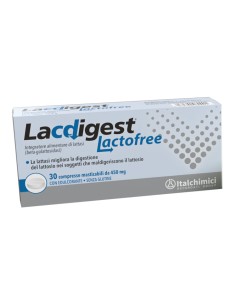
€14.52
Lacdigest Lactofree is a supplement based on digestive enzymes to help digest lactose, useful for people with lactose intolerance. These lactose intolerance tablets help support the digestive process without causing side effects.Warnings:Do not exceed the recommended doseTake Lacdigest tablets before eating a meal containing lactoseExcessive consumption...


€7.49
What is Biochetasi for? Biochetasi pocket digestive is a product in chewable tablets that support digestion and have an antacid action. Biochetasi chewable tablets work thanks to the presence of citratessodium bicarbonateB vitaminsTake 2 to 4 Biochetasi tablets to digest better after particularly heavy meals.
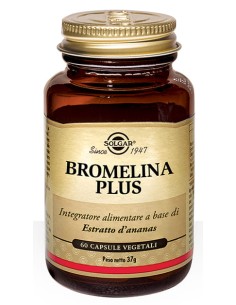
€23.59
Bromelina Plus, supplement for digestion and fluid drainage, with bromelain to counteract the appearance of cellulite. Format: 60 capsules.
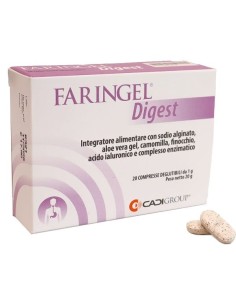
€14.28
Faringel Digest is a supplement in swallowable tablets with sodium alginate, aloe, chamomile, fennel and hyaluronic acid, useful for digestive function. Gluten-free and lactose-free.


€6.63
P6 Nausea Control Candies for nausea, a ginger-based food supplement for the whole family. Size: pack of 24 candies.

€30.03
MetaDigest TOTAL is a supplement formulated for intestinal detoxification thanks to its ability to selectively bind toxic substances of various kinds.
Pack size: box of 60 capsules.

€16.41
Metadigest Total is a digestive supplement with digestive enzymes and ginger extract, ideal for supporting the digestion of proteins, fats and carbohydrates. Format: 30 capsules.
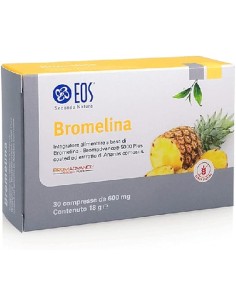
€12.26
EOS Bromelain, a supplement for digestive well-being, with 1,250 GDU of bromelain per tablet. Pack size: 30 tablets.
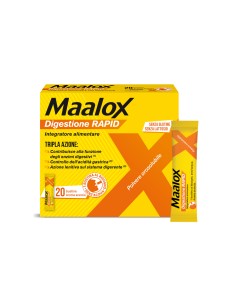
€7.53
Food supplement in sachets of orange-flavoured orodispersible powder, with calcium, banana powder, rice flour, magnesium and vitamin B2. Suitable for adults and children from 6 years in case of poor digestion. Pack of 20 sachets.
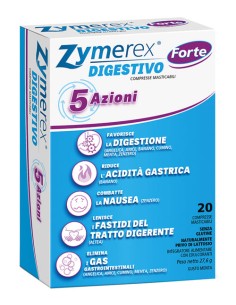
€7.43
Zymerex Digestivo Forte 20 chewable tablets is a food supplement that supports fast digestive action and helps counteract symptoms. Zymerex digestion:Supports digestionSoothes discomfort of the digestive tractHelps counteract nauseaHelps reduce gastric acidityHelps eliminate gasThe digestive tablets are gluten-free and lactose-free.


€8.07
Biochetasi Digestion and Acidity is a food supplement that acts on acidity, bloating, flatulence and a feeling of heaviness. Biochetasi tablets have a triple action:they contribute to normal digestive function they support the activity of the digestive enzymes already present in the bodythey help control gastric acidityBiochetasi before or after meals:...

€5.71
Bromelina KOS, food supplement for fluid drainage and digestive function thanks to bromelain. Size: 60 tablets.
Automatic selection based on product categories and features: for a tailored choice, ask the pharmacist.
What it is and how to recognise it
Slow digestion, also known as functional dyspepsia when it recurs over time, is the feeling that food stays in the stomach for a long time. It is not a disease, but a set of discomforts that appear during or after meals.
The most common signs are:
- heaviness and a long-lasting feeling of fullness;
- feeling full early, even with small portions;
- frequent burping and mild nausea;
- drowsiness and a drop in energy after lunch;
- bloating or mild discomfort in the upper abdomen.
The most common causes
- meals that are too large or rich in fat, which slow down stomach emptying;
- eating quickly and chewing little;
- heavy food combinations and late dinners;
- plenty of alcohol and fizzy drinks;
- stress and a hectic pace of life, which affect stomach function;
- a sedentary lifestyle;
- with age, reduced production of digestive juices and enzymes.
Mealtimes also matter: a large dinner eaten late, followed by the sofa, puts the stomach to the test more than a balanced lunch followed by a walk. In anxious or very stressed people, the stomach also tends to empty more slowly and discomfort is felt more intensely.
Remedies and practical tips
- Reduce portions and spread your food over four or five times during the day.
- Chew for a long time: digestion begins in the mouth.
- Choose simple cooking methods (steaming, baking, grilling) and limit fried foods, rich sauces and gravies.
- Don't lie down straight after eating; a short walk helps the stomach empty.
- Avoid drinking large amounts of fluid with your meal.
- A hot herbal tea after lunch or dinner, for example with fennel or ginger, can bring relief.
- Eat in a calm setting, away from screens and arguments.
What you can find at the pharmacy
To support regular digestive function you can find:
- Digestive plant extracts such as artichoke, dandelion, gentian, rhubarb and boldo: support the secretion of gastric juices and bile; usually taken before or after main meals.
- Ginger and mint: traditionally used to support gastric motility and reduce feelings of nausea.
- Digestive enzymes (such as bromelain, papain, amylase, lipase): may help break down food at more demanding meals.
- Ready-made digestive herbal teas with chamomile, fennel, anise and lemon balm.
- Alcohol-free herbal bitters and digestifs.
Always read the warnings, particularly for extracts such as artichoke and dandelion if you have gallstones. Food supplements are not a substitute for a varied, balanced diet and a healthy lifestyle.
It can be useful to keep a digestive herbal tea and a herbal supplement at home for more demanding occasions, such as festive lunches, meals out or travel. If slow digestion often comes with burning, bloating or bowel changes, it is worth paying close attention to which symptoms prevail, so you can choose the most suitable product with your pharmacist's help. Regular meals matter too: skipping breakfast and concentrating everything at dinner is one of the habits that puts the most strain on the stomach.
When to see a doctor
- if the symptoms are frequent, have lasted for weeks or also occur on an empty stomach;
- in case of severe abdominal pain, repeated vomiting, black stools or unintentional weight loss;
- if you have difficulty swallowing or lose your appetite;
- if the symptoms appear for the first time after the age of 50;
- during pregnancy or if you take medicines that can irritate the stomach.
Frequently asked questions
Does an alcoholic digestif after dinner really help?
It gives a feeling of warmth, but alcohol slows down stomach emptying and can make heaviness worse. A herbal tea or an alcohol-free herbal bitter is a better choice.
Why do I feel sleepy after lunch?
Digestion draws blood and energy towards the digestive system; meals rich in sugar and fat accentuate this effect. Moderate portions and light foods reduce drowsiness.
Can digestive enzymes be taken long term?
They are generally used as needed or for limited periods, at more demanding meals. For continuous use it is best to speak to your doctor or pharmacist.
The information on this page is for general information purposes only and does not replace the advice of a doctor or pharmacist. Food supplements should not be used as a substitute for a varied, balanced diet and a healthy lifestyle. If symptoms persist or are severe, consult a healthcare professional.