
Shopping Cart


Constipation: causes, natural remedies and pharmacist's advice
Constipation is a very common complaint, with bowel movements that are infrequent, difficult or incomplete. It is often linked to a low-fibre diet, not drinking enough and a sedentary lifestyle, and it improves with gradual changes to daily habits.
Read the full guide ↓Useful products for constipation
Fibre and psylliumMacrogolPlant extracts for transitMini enemasProbiotics

Bowel regularity
Dulcosoft Powder for Oral Solution, Laxative, Macrogol for Constipation
Sanofi
971635735
€10.44
DulcoSoft, Gentle Laxative, Macrogol for Irregular Bowel Habits and Constipation, 20 sachets


€7.59
Onligol Fibre is a food supplement based on psyllium fibre, with alpha- and beta-galactosidase enzymes, useful for supporting bowel regularity, improving lactose digestion and supporting digestive system well-being. Suitable for adults and adolescents over 12. Gluten-free.

Bowel regularity
Inert Water-Soluble Polymer Macrogol 3350 Dicopeg Esse with Simethicone for...
Dicofarm
947101034
€19.90
Dicopeg Esse is a medical device with a laxative action indicated for the symptomatic treatment of constipation; it supports peristalsis, softens stools and helps eliminate intestinal gas.
Size: 300 g jar.


Bowel regularity
DulcoSoft Gentle Laxative, Macrogol for Constipation, Oral Solution 250 ml
Sanofi
971635925
€10.13
DulcoSoft oral solution, a gentle osmotic laxative for irregularity, constipation and hard stools. Laxative for children and adults with constipation

€6.83
Fave di Fuca 40 Senna Tablets is one of the best supplements for constipation, particularly suitable for stimulating bowel movement. Fave di Fuca has these features:It acts on the regularity of intestinal transit;It should be taken together with a high-fibre diet;It should be accompanied by an adequate intake of fluids.The recommended intake is one dose...

€10.09
Macrogol 4000 in sugar-free 10 g sachets, useful for supporting bowel regularity and softening stools. Pack of 20 sachets to dissolve in water.

€13.56
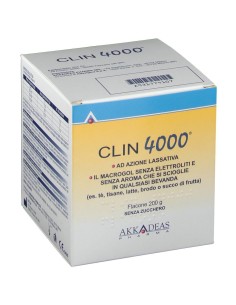
Clin 4000 powder, a laxative based on Macrogol 4000 for chronic constipation, softens stools, making bowel movements easier. Format: 200g.

€17.95
Stipsigol 30 sachets, a medical device for chronic and occasional constipation, which facilitates bowel movements thanks to its laxative action. Size: 30 sachets.

€8.91
Frutta & Fibre Forte, a supplement for intestinal regularity thanks to rhubarb and caraway, useful against abdominal bloating. Format: 24 tablets.

Bowel regularity
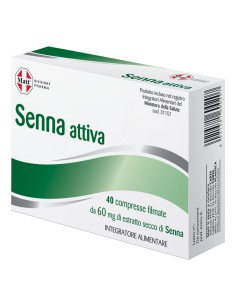
Matt Divisione Pharma Senna Attiva 40 Tablets
A&D SpA Gruppo Alimentare Diet
934509795
€4.52
Food supplement in tablets based on Senna, which helps support intestinal transit. Pack of 40 tablets.


€17.55
Clin 4000 single-dose sachets is a product whose laxative action helps relieve constipation by softening stools. Thanks to its Macrogol 4000-based formula, Clin laxative sachets:help in cases of constipation or irregular bowel habits provide a sense of well-beingdo not cause cramps or abdominal painDissolve and stir the product into any drink. Wide...

€11.18
Medical device in powder for oral solution based on macrogol, for the symptomatic treatment of constipation. Pack of 20 sachets of 5 g.
Automatic selection based on product categories and features: for a tailored choice, ask the pharmacist.
What it is and how to recognise it
We speak of constipation when the bowel empties with difficulty or less often than usual. There is no number of bowel movements that applies to everyone: what matters is the change compared with your own normal pattern and the discomfort you feel.
The most common signs are:
- fewer than three bowel movements a week;
- hard, dry or lumpy stools;
- needing to strain for a long time;
- a feeling of incomplete emptying;
- bloating and a sense of abdominal heaviness.
The most common causes
Occasional or chronic constipation can have different origins, often combined:
- a diet low in fibre (little fruit, vegetables, wholegrains and pulses);
- not drinking enough fluids;
- a sedentary life and little physical activity;
- habitually putting off the urge through lack of time or privacy;
- changes in routine, travel, shift work;
- pregnancy, older age and certain medicines or supplements (iron, for example);
- stress and emotional tension.
Travel is also a classic trigger: timetables, water, food and the chance to use the toilet in peace all change, and the bowel tends to seize up for a few days. In pregnancy, hormones slow down the intestinal muscles and the growing womb puts pressure on the abdomen.
Remedies and practical tips
- Increase fibre gradually: vegetables at every meal, fresh fruit, wholegrains, pulses.
- Drink at least one and a half litres of water a day, even more if you increase your fibre.
- Start the day with a glass of warm water and a full breakfast.
- Try prunes, kiwi fruit and linseed, traditionally helpful for regularity.
- Respond to the urge straight away and find a regular time, for example after breakfast.
- A small footstool in the bathroom encourages a more natural posture.
- Walk, swim or cycle: movement stimulates intestinal motility.
What you can find at the pharmacy
If habits alone are not enough, at the pharmacy you can find several types of products to support bowel regularity:
- Soluble fibre such as psyllium, glucomannan, inulin and guar gum: increases the volume and softness of stools; always take with plenty of water.
- Macrogol and other osmotic medical devices: draw water into the bowel, softening stools with a gradual action.
- Plant extracts such as senna, cascara, rhubarb and aloe: support intestinal transit, but are intended for occasional, short-term use.
- Mini enemas and glycerin suppositories: useful when a quick, local effect is needed.
- Probiotics: some strains may help maintain the balance of the intestinal flora.
Always read the warnings and do not exceed the stated doses. Food supplements are not a substitute for a varied, balanced diet and a healthy lifestyle.
A good approach is to proceed step by step: habits first, then fibre, and only if necessary a product with a more direct action. In children constipation is common during weaning, when starting school or during potty training: patience, a calm routine and age-appropriate products are needed, always with the paediatrician's advice. In older people it is important to pay attention to hydration and to the medicines being taken, which often contribute to the problem.
When to see a doctor
It is advisable to consult your doctor if:
- constipation appears suddenly and lasts more than two or three weeks;
- you notice blood in the stools, severe abdominal pain, fever or weight loss;
- constipation alternates with diarrhoea;
- you often need to use laxatives to open your bowels;
- it affects newborns, children, pregnant women or older people taking several medicines.
Frequently asked questions
How often do you need to go to be regular?
What is normal varies from person to person: from three times a day to three times a week. What matters most is that bowel movements happen without straining or discomfort.
Can fibre make bloating worse?
Yes, if introduced too quickly. It is better to increase it little by little over a few weeks and drink more, so the bowel has time to adapt.
Are natural laxatives habit-forming?
Stimulant plant extracts, if used for a long time, can make the bowel more sluggish. For ongoing support, fibre and osmotic products are generally preferable, always after speaking to your pharmacist.
The information on this page is for general information purposes only and does not replace the advice of a doctor or pharmacist. Food supplements should not be used as a substitute for a varied, balanced diet and a healthy lifestyle. If symptoms persist or are severe, consult a healthcare professional.