
Shopping Cart


Nausea and motion sickness: causes, remedies and advice
Nausea is that unpleasant feeling in the stomach that sometimes comes before vomiting. Car, sea or air sickness is one of its most common causes, especially in children, and a few precautions before and during the journey can reduce it considerably.
Read the full guide ↓Useful products for nausea and motion sickness
GingerAcupressure wristbandsTravel sweetsAnti-nausea supplements


€6.63
P6 Nausea Control Candies for nausea, a ginger-based food supplement for the whole family. Size: pack of 24 candies.

€14.09
Anaketon by Dicofarm is a food supplement for nausea, helping to limit it, regulate intestinal motility and reduce gastro-oesophageal reflux.Made with:Ginger;Vitamins B1, B2, B6;L-Alanine;Chamomile.Anaketon drops for children are suitable for travellers and anyone else who too often has to deal with that very unpleasant nausea that affects and spoils the...

€6.77
Mama Sea-Band P6 Nausea Control Sea-Band Mama 24 candies, from the Mama line, help to counteract nausea and vomiting. Sea-Band anti-nausea:Help counteract nausea, vomiting and also dizzinessSuitable for children and adultsRecommended for car sickness and seasickness.Anti-nausea in pregnancy: also useful in case of pregnancy nausea.

€7.17
Novomit Travel, anti-nausea: thanks to ginger it helps counteract travel sickness and nausea in pregnancy, with vitamins. Suitable for adults and children. Pack size 12 gums.
€6.59
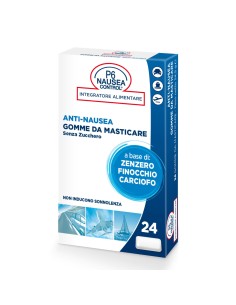
P6 Nausea Control Chewing Gums, anti-nausea gums with ginger, fennel and artichoke to support digestion. Ideal in case of nausea. Format: 24 gums.
€12.14
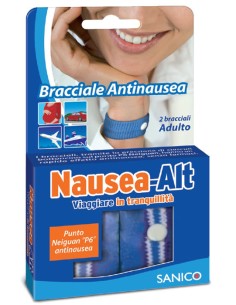
Acupressure wristband for the P6 point, drug-free, to help relieve nausea and vomiting, in the adult version.
€18.92
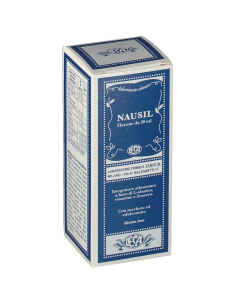
Nausil Drops, an anti-nausea supplement with ginger and B vitamins to support digestive function. Ideal for adults and children. Pack size: 30ml bottle


€13.60
Perido Natural Forte is a natural supplement based on ginger and vitamin B6 that supports normal digestive function and gastrointestinal motility, counteracting the feeling of nausea. Thanks to its formulation, daily intake of Perido Natural Forte helps counteract:digestive problemsnausea in pregnancylocalised tensionmenstrual cycle discomfortA valid...

Orthopaedic arm & wrist supports
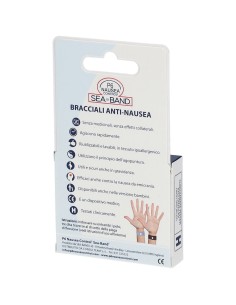
P6 Nausea Control Anti-Nausea Wristband for Adults 2 Pieces
CONSULTEAM Srl
908929084
€12.57
P6 Nausea Control Adult Wristband, a medical device for controlling nausea through acupressure, ideal for travel sickness and pregnancy. Pack size Set of two wristbands.

Orthopaedic arm & wrist supports
P6 Nausea Control Anti-Nausea Wristband for Kids 2 Pieces
CONSULTEAM Srl
900750136
€12.57
P6 Nausea Control Kids Wristband, an anti-nausea wristband for children, using acupressure to reduce travel sickness and pregnancy nausea. Format: pack of 2 pieces.

Adult immune defences
Apropos Lemon/Ginger Hard Candies Cuor di Miele 50 g
DESA PHARMA Srl
980430932
€2.73
Apropos Lemon and Ginger Hard Candies, propolis candies with a honey centre in lemon and ginger flavour. Format: 50g pack.

€16.41
Metadigest Total is a digestive supplement with digestive enzymes and ginger extract, ideal for supporting the digestion of proteins, fats and carbohydrates. Format: 30 capsules.
Automatic selection based on product categories and features: for a tailored choice, ask the pharmacist.
What it is and how to recognise it
Nausea is a sense of unease and a churning stomach, often accompanied by the urge to vomit. Motion sickness, or kinetosis, arises from conflicting information: the eyes perceive a stationary environment, while the inner ear registers movement.
The typical signs of motion sickness are:
- paleness, cold sweats, frequent yawning;
- excess saliva and an upset stomach;
- headache, dizziness, a dazed feeling;
- nausea that may lead to vomiting and usually passes once you stop moving.
The most common causes
- travelling by car, coach, boat, plane or train, especially on winding roads or in rough seas;
- reading or looking at your phone screen during the journey;
- closed, hot environments with strong smells;
- a stomach that is too full or, conversely, completely empty;
- pregnancy, especially in the first trimester;
- difficult digestion, migraine, anxiety;
- certain medicines and treatments.
Children between the ages of 2 and 12 are particularly susceptible to motion sickness.
Nausea is not always linked to movement: it can appear after a heavy meal, during a bout of stomach flu, with a migraine or at times of strong emotional tension. In pregnancy it is very common in the first few weeks and tends to be stronger in the morning, although it can occur at any time of day.
Remedies and practical tips
- Before setting off, have a light, dry meal: crackers, breadsticks, toast.
- In a car sit in the front and look at the horizon; on a boat choose the middle of the vessel; on a plane a seat near the wings.
- Avoid reading, playing on your phone or watching videos during the journey.
- Keep the window slightly open to let fresh air circulate.
- Plan frequent stops on long journeys.
- Sip cool water in small sips and avoid fizzy drinks and alcohol.
- Distract children with songs or games that involve looking outside.
What you can find at the pharmacy
- Ginger in capsules, sweets, gums or herbal teas: traditionally used to support stomach comfort and reduce feelings of nausea; usually taken before setting off.
- Acupressure wristbands: apply gentle pressure to the P6 point on the wrist and are a substance-free solution, also popular with children and pregnant women.
- Supplements with vitamin B6, often combined with ginger in products designed for pregnancy nausea, always to be used with your gynaecologist's advice.
- Mint or lemon sweets and lozenges, useful for freshening the palate during the journey.
- Homeopathic remedies for travel sickness, according to the advice of your healthcare professional.
Observe the age indications on the pack. Food supplements are not a substitute for a varied, balanced diet and a healthy lifestyle.
To get the most out of them, prevention is key: most remedies work better if used before setting off rather than when the nausea is already strong. For long journeys it can be useful to prepare a small bag with water, crackers, refreshing wipes, sick bags and your chosen remedy, so you have everything to hand. If the person who suffers from car sickness is a child, reassure them: anxiety about feeling ill makes it more likely.
When to see a doctor
- if nausea lasts more than a few days with no clear cause;
- if vomiting is repeated and you cannot keep fluids down, with a risk of dehydration;
- if it appears after a head injury, or with a severe headache, fever, stiff neck or intense abdominal pain;
- in pregnancy, when nausea and vomiting prevent you from eating;
- in newborns and young children with frequent vomiting, drowsiness or unusual crying.
Frequently asked questions
Is ginger suitable for children?
There are ginger-based products formulated for little ones, such as sweets and gummies. Always check the minimum age indicated and, if in doubt, ask your paediatrician.
Do children grow out of car sickness?
Often, yes: susceptibility to motion sickness tends to decrease in adolescence, although some people remain prone to it as adults, especially on boats.
Is it better to travel on an empty stomach?
No, an empty stomach can make nausea worse. The ideal is a light, low-fat meal about an hour before setting off.
The information on this page is for general information purposes only and does not replace the advice of a doctor or pharmacist. Food supplements should not be used as a substitute for a varied, balanced diet and a healthy lifestyle. If symptoms persist or are severe, consult a healthcare professional.