
Shopping Cart


Bloating: causes, remedies and pharmacist's advice
Bloating is one of the most common complaints: the stomach feels tight, clothes feel snug and there is a sense of fullness even without having eaten much. In most cases it is down to eating habits and excess intestinal gas, and a few small changes are enough to feel lighter.
Read the full guide ↓Useful products for bloating
Activated charcoalProbioticsCarminative herbal teasDigestive enzymes
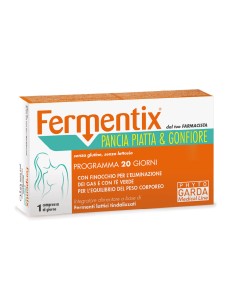
€6.50
Fermentix Pancia Piatta & Gonfiore (flat tummy & bloating), a supplement to support regular intestinal motility and the elimination of gas, with lactic ferments and chromium. Format: 20 tablets.

Abdominal bloating
Matt Erboristeria Fennel Charcoal Anise 40 Tablets
A&D Gruppo Alimentare Dietetico
973716261
€7.64
Matt Erboristeria Fennel Charcoal Anise, supplement for digestion and intestinal regularity thanks to fennel, anise and charcoal. Pack size: 40 tablets.

€12.14
Lactoflorene Pancia Piatta, with its formula rich in lactic ferments, enzymes and plant extracts, is a supplement that offers complete support for gastrointestinal health, helping to reduce bloating and improve general well-being.
Pack size: pack of 20 sachets.

€10.87
Enterogermina Gonfiore in two-compartment sachets combines lactic ferments, enzymes and plant extracts of mint and coriander: useful for intestinal wellbeing and to support digestive comfort. Pack of 10 sachets.
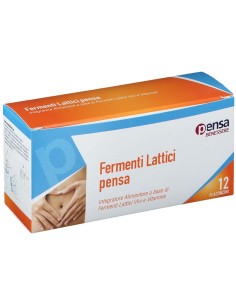
€7.64
Food supplement in vials based on live lactic ferments and vitamins, useful for the balance of the intestinal bacterial flora. Pack of 12 vials of 7 ml.
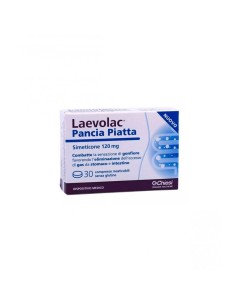
€6.62
Laevolac Pancia Piatta combats bloating and helps eliminate intestinal gas thanks to simethicone. Format: 30 chewable tablets.

€10.31
Lactogermine Plus by Humana is a supplement in vials with probiotic lactic ferments, prebiotics and B vitamins, useful for the balance of the intestinal flora. 10 vials.

€3.38
Vegetable charcoal 50 tablets is a food supplement based on vegetable charcoal that helps reduce the feeling of abdominal bloating. Activated charcoal:Helps reduce excess gas and air Eases intestinal discomfortCounteracts aerophagia and flatulenceFood-grade charcoal tablets should preferably be taken after meals, as needed.

€3.42
Carbone Vegetale, from the Marco Viti range, is a supplement based on food-grade charcoal that helps reduce the feeling of abdominal bloating, reduce excess gas and air, ease intestinal discomfort and counteract aerophagia and flatulence.
Format: bottle of 40 tablets.

€7.19
Marco Viti Vegetable Charcoal 120 tablets is a vegetable charcoal supplement that helps reduce abdominal bloating and excess intestinal gas. Pack size: 120 tablets.

€3.15
Activated Charcoal by Teva, supplement to help reduce abdominal bloating and intestinal gas. Size: 40 tablets.

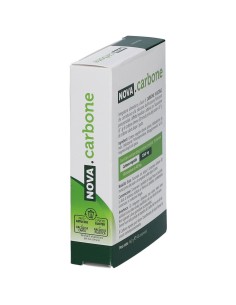
€1.59
Vegetable charcoal 40 tablets, made by Nova, is a food supplement based on vegetable biochar that helps support intestinal wellbeing. Food-grade vegetable charcoal:Helps reduce abdominal bloatingHelps counteract chronic or occasional constipationHelps improve intestinal transit.
Automatic selection based on product categories and features: for a tailored choice, ask the pharmacist.
What it is and how to recognise it
The term bloating describes a tight, full feeling in the stomach, often accompanied by a visible increase in the size of the abdomen. It can appear after meals, get worse as the day goes on and ease overnight.
The most typical signs are:
- a hard or tight tummy to the touch, sometimes with mild, diffuse pain;
- frequent burping or passing wind (flatulence and intestinal gas);
- borborygmi, i.e. gurgling bowel sounds;
- a feeling of heaviness and discomfort when fastening trousers and belts.
The most common causes
Bloating almost always stems from a build-up of gas in the intestine or from slower transit. Among the most frequent factors:
- diet: pulses, cabbage, fizzy drinks, sweeteners such as sorbitol and xylitol, too many fermentable foods;
- eating quickly, talking a lot or chewing little, which leads to swallowing air;
- constipation, which traps gas and residue in the intestine;
- imbalances in the intestinal flora, for example after a course of antibiotics;
- food intolerances, such as lactose intolerance;
- stress and anxiety, which affect intestinal motility;
- hormonal changes linked to the menstrual cycle.
Several factors often add up: a sedentary working day, a quick lunch in front of the computer and a fizzy drink are enough to bring on the classic afternoon bloated stomach. The type of fibre also matters: some highly fermentable fibres are digested by gut bacteria, producing gas; others, more soluble, are generally better tolerated.
Remedies and practical tips
- Eat slowly, with your mouth closed, and chew each mouthful well.
- Cut down on fizzy drinks, chewing gum and sweets containing polyols.
- Introduce pulses gradually, preferably hulled or puréed.
- Have small, regular meals instead of a few large ones.
- Drink still water throughout the day, away from meals if it makes you feel heavy.
- Keep moving: a 15-20 minute walk after eating helps transit.
- Try keeping a food diary to identify the foods that bloat you most.
- Allow yourself moments of relaxation: diaphragmatic breathing can reduce abdominal tension.
What you can find at the pharmacy
At the pharmacy you can find several types of products that may help manage the discomfort:
- Activated charcoal and simethicone (in medical devices): help absorb or reduce intestinal gas; usually taken after meals, apart from other products.
- Probiotics and lactic ferments: support the balance of the intestinal flora, particularly useful after antibiotics or changes in diet.
- Carminative plant extracts such as fennel, anise, cumin, mint and chamomile: help the elimination of gas and support digestive function, also in the form of herbal teas.
- Digestive enzymes, including lactase for those who digest lactose poorly.
Always follow the directions on the pack and remember that food supplements are not a substitute for a varied, balanced diet and a healthy lifestyle.
If bloating is clearly associated with milk and dairy products, it may be worth talking to your doctor to assess a possible intolerance before cutting out entire food groups. The same applies to gluten-free diets or diets low in fermentable sugars: they are useful tools, but should be set up with a professional so they don't become unnecessarily restrictive. In the meantime, a gradual approach and a little patience often allow you to work out for yourself which habits make the difference.
When to see a doctor
Occasional bloating is harmless, but it is advisable to seek medical advice if:
- it is persistent or gets worse over time, with no obvious link to meals;
- it comes with severe pain, fever, vomiting, blood in the stools or unintentional weight loss;
- your bowel habits change permanently;
- it appears after the age of 50 for no apparent reason;
- it affects newborns and young children (colic, inconsolable crying) or occurs during pregnancy.
Frequently asked questions
Why does my stomach bloat mainly in the evening?
During the day, gas produced by digestion and swallowed air build up, and sitting for long periods slows transit. This is why bloating tends to peak towards the evening.
Can activated charcoal be taken every day?
It can be used for short periods, but it should be taken apart from medicines and other supplements because it may reduce their absorption. For prolonged use it is best to speak to your pharmacist or doctor.
Do probiotics cause bloating at first?
In the first few days some people notice a slight increase in wind, which usually settles quickly. If the discomfort persists, it is worth trying a different strain or formulation.
The information on this page is for general information purposes only and does not replace the advice of a doctor or pharmacist. Food supplements should not be used as a substitute for a varied, balanced diet and a healthy lifestyle. If symptoms persist or are severe, consult a healthcare professional.