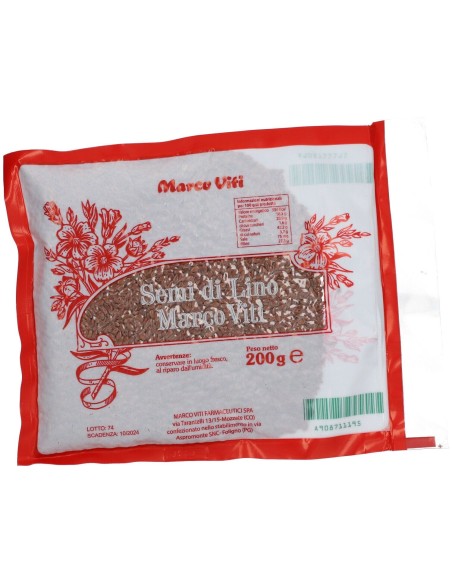
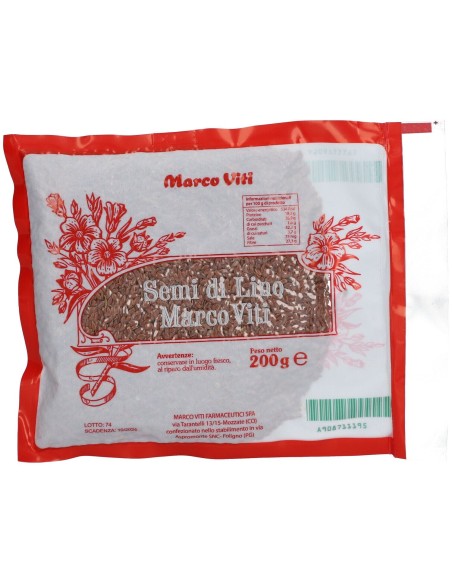
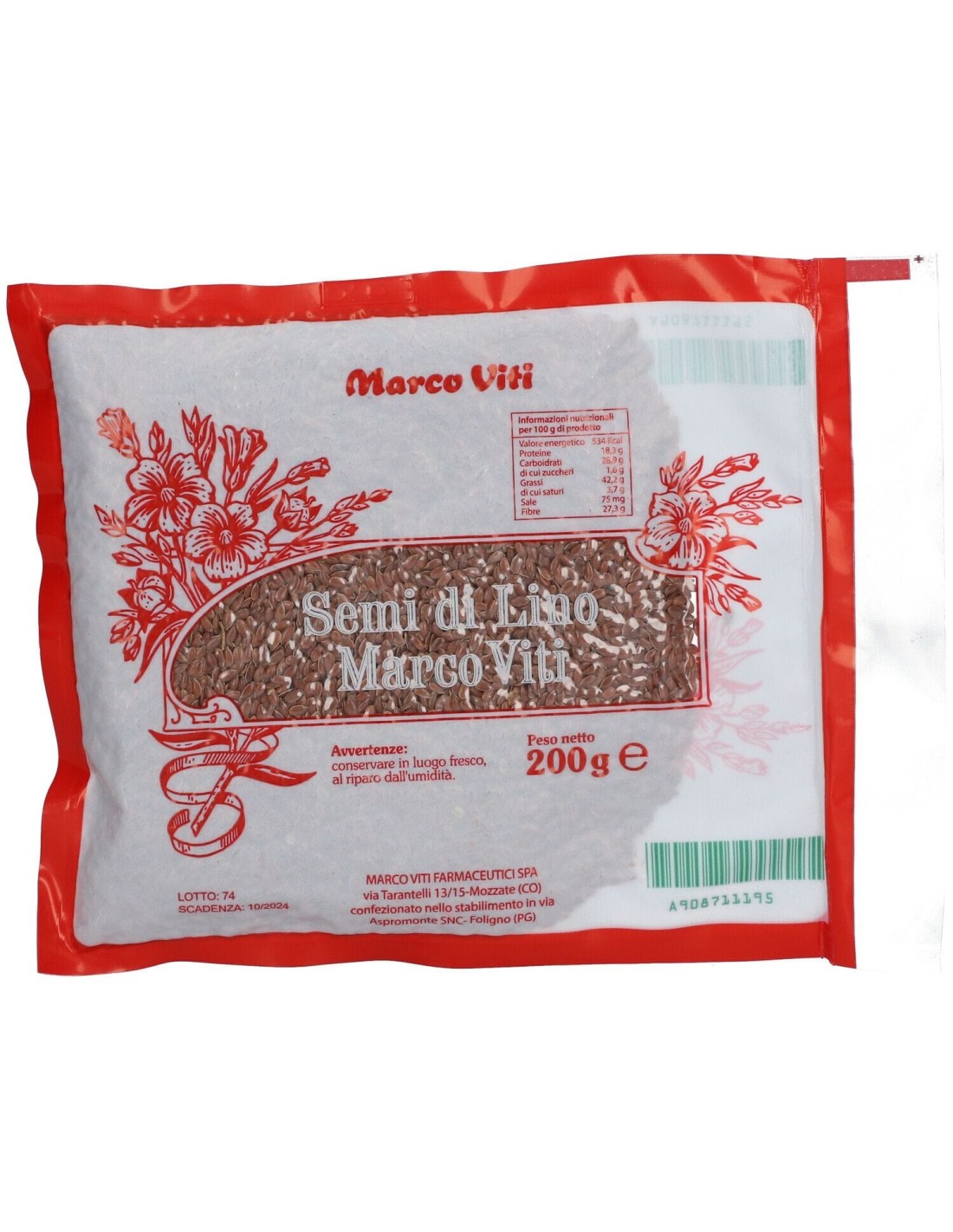
Linseeds
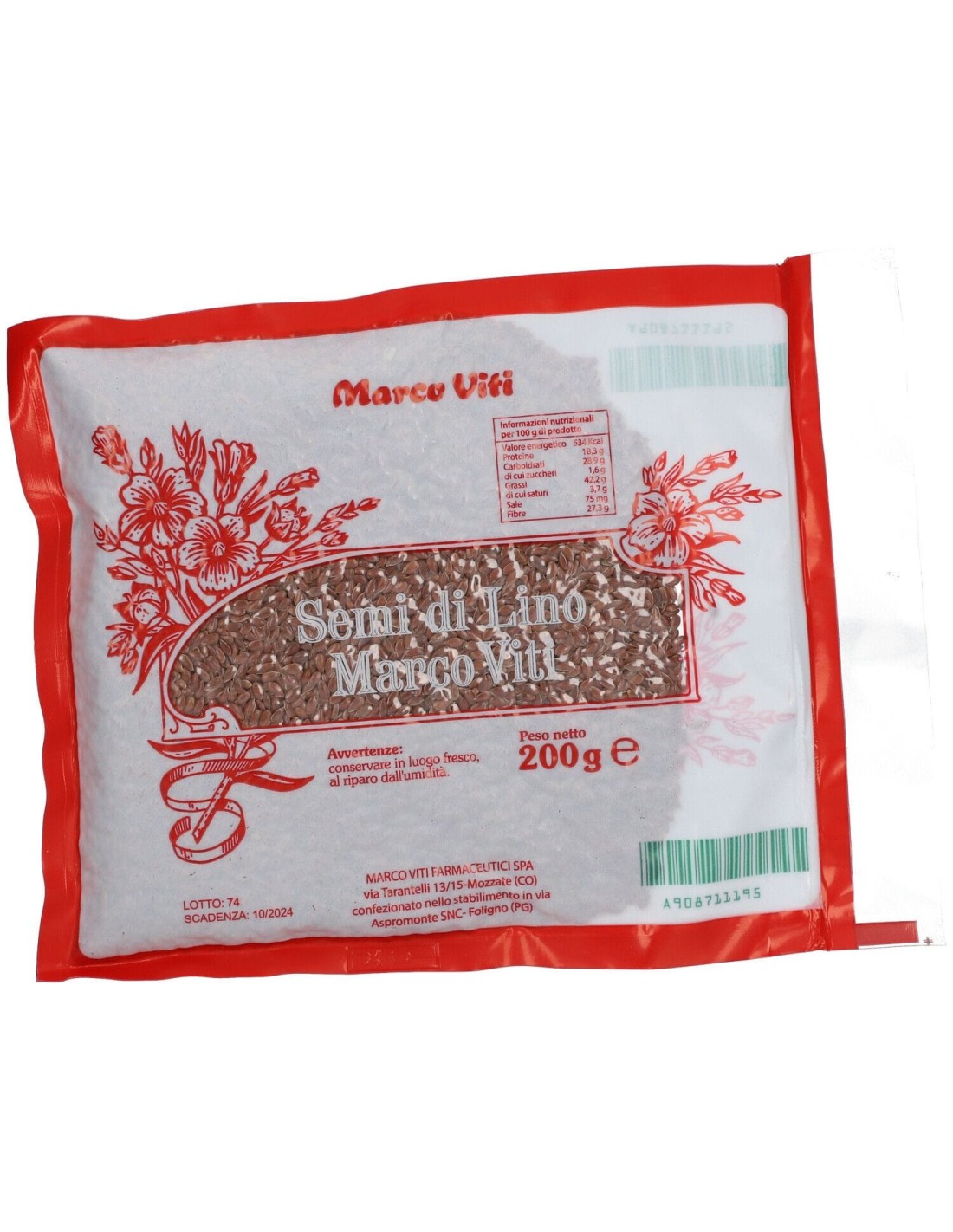
Marco Viti
For constipation, rich in omega 3.
When linseeds come into contact with water in the stomach, they form a kind of mucilage that softens the stools and increases their volume.
This increase stimulates peristalsis, i.e. the expulsion of stools by the intestine.
Being an emollient rather than a laxative, a kind of facilitator for the passage of stools, it can be used frequently.
It also helps soothe mucous membranes irritated, for example, by the use of too many laxatives.
Directions for use
Alongside a fibre-rich diet and regular physical activity, these reddish-brown seeds, 4-5 mm long, aid bowel movements. There are two recipes.
The first involves taking 4 or 5 teaspoons of seeds, crushing them, leaving them to soak for twenty minutes, then straining the drink and drinking it.
The second option, suitable for those on a diet (the seeds are high in calories, 470 calories per hundred grams), involves swallowing a couple of tablespoons of seeds followed by one or two glasses of water. The seeds will pass through the intestine, increasing in volume and releasing their emollient substances, but will come out still whole. In this way the fats they are rich in will not be absorbed by the intestine.
Warnings
Linseeds have no interactions with other medicines.
The main side effect is possible flatulence.
However, experts advise against using them in children under six and in cases of intestinal obstruction or narrowing of the oesophagus.
Format
200 g pack.
Code293