
Shopping Cart


Baby teething: symptoms, remedies and pharmacist's advice
Teething is a natural milestone which, in many babies, brings red gums, lots of dribble and a few restless nights. Knowing the typical signs and the simplest remedies helps you get through this phase more calmly.
Read the full guide ↓Useful products for baby teething
TeethersTeething gum gelsBaby toothbrushesEarly childhood toothpastes

Children's oral hygiene
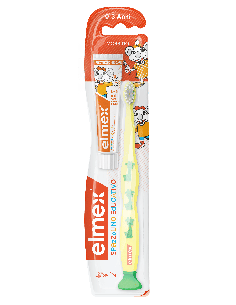
Elmex Kids Educational Toothbrush New 0-3 Years
COLGATE-PALMOLIVE COMMERC.Srl
921581841
€3.93
Elmex Kids Educational 0-3 Years, a toothbrush with soft bristles for gently cleaning children's first teeth. Pack size: single toothbrush.

€13.85
Calmi' Teething Gel 10ml, a soothing gel for babies' teething, with chamomile and aloe vera to relieve gum discomfort. Size: 10 ml tube.
€9.47
Bio-adhesive oral gel with aloe vera, sodium hyaluronate and glycyrrhetinic acid for the first teeth phase in children from 6 months to 2 years: it forms a protective film on the gum and helps reduce pain and redness. 10 ml tube with applicator.

€10.21
Dentinale Natural Gum Gel is a soothing and protective medical device for children's gums during teething, providing relief. Format: 20ml.
Plaque & tooth decay
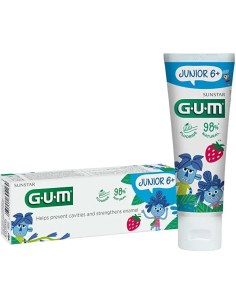
Gum Junior Kids Toothpaste 7/12 Fluoride 1000 ppm 50 ml
SUNSTAR ITALIANA Srl
930007392
€2.57
Gum Junior Toothpaste for children aged 7-12, with fluoride for caries prevention and enamel remineralisation. Pack size: 50 ml tube.

€3.33
Antibacterial toothbrush for children aged 7 to 12, designed for mixed dentition with bristles of differentiated flexibility. 1 toothbrush.

€2.74
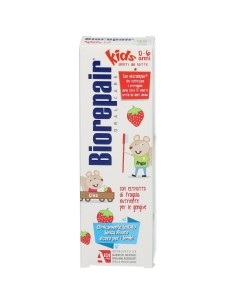
Biorepair Kids 0-6, a children's toothpaste that strengthens and remineralises teeth thanks to microRepair. Ideal from 0 to 6 years. Size 50 ml.

Children's oral hygiene
Elmex Junior Toothpaste 75 ml Duopack
COLGATE-PALMOLIVE COMMERC.Srl
951201262
€5.88
elmex Junior Duo-PackToothpaste specifically for children aged 6 to 12, ideal while milk teeth are being replaced. Thanks to amine fluorides (1400 ppm fluoride), it strengthens the still-soft enamel of permanent teeth and offers long-lasting protection against cavities. It has a mild flavour, suitable for children moving from a baby toothpaste to one for...

€9.78
Chicco Gommotto soothers in pink silicone, for children aged 16 to 36 months. Pack of 2 pieces.

€9.02
Chicco Air Lumi silicone soothers, suitable for children aged 16 to 36 months, blue colour. Pack of 2 pieces.


€3.42
Elmex Kids Toothpaste, specially designed for caries protection in children, with amine fluoride for healthy milk teeth. Format: 50 ml tube.

Children's oral hygiene
Curasept Biosmalto Baby Kid Toothpaste Mint Caries Abrasion & Erosion 50 ml
Curasept
978103618
€4.69
Curasept Biosmalto BB-Kid Mint, a children's toothpaste that protects against tooth decay and supports the development of healthy teeth. Format: 50 ml tube.
Automatic selection based on product categories and features: for a tailored choice, ask the pharmacist.
What it is and how to recognise it
Teething is the eruption of the milk teeth through the gum. The first tooth usually appears between six and ten months, often one of the lower central incisors, but some babies are early and others wait until after their first birthday: both situations are generally normal. The process is completed at around two and a half to three years with the twenty milk teeth.
The most common signs are swollen gums, red where the tooth is about to come through, increased saliva (with dribbling and sometimes redness around the mouth and on the chin), the need to bite anything within reach, irritability, more disturbed sleep and sometimes a temporary drop in appetite. Some babies often touch their ear or cheek on the affected side.
The most common causes
The discomfort comes from the pressure of the tooth making its way through the gum tissue, with mild local inflammation. The intensity varies greatly from baby to baby and from tooth to tooth: the molars, which are wider, are often the most troublesome. The abundant saliva is linked both to stimulation of the mouth and to the normal maturing of the salivary glands during this period. It is important to know that teething does not cause high fever or significant diarrhoea: these symptoms, if present, usually have other causes.
The order in which teeth appear also varies and rarely has any particular significance. There is a degree of family tendency: if mum or dad got their teeth late, the same may happen to the baby.
Remedies and practical tips
- Offer a clean teether or teething ring, if you like cooled in the fridge (never in the freezer, as it becomes too hard).
- Gently massage the gum with a clean finger or a damp gauze.
- Wipe the dribble from the chin and neck often with a soft cloth, patting without rubbing, and protect the skin with a barrier cream.
- If weaning has already begun, cool, soft foods may be welcome; avoid biscuits or sugary foods to chew on.
- Do not use amber necklaces or necklaces of other materials: they pose a risk of choking and strangulation.
- As soon as the first tooth appears, start cleaning it with a gauze or a finger toothbrush, twice a day.
- Wash toys and objects your baby puts in their mouth often, because at this stage they really do chew on everything.
- Keep the bedtime routine as regular as possible, even on the most restless nights.
What you can find at the pharmacy
Teethers and cooling rings are the simplest remedy: choose ones made of materials suitable for babies, easy to wash and of a size that cannot be swallowed. There are also teething gum gels based on soothing ingredients such as chamomile, mallow or hyaluronic acid, which form a protective film on the gum and can give relief for a while: apply a small amount with a clean finger, respecting the minimum age and frequency indicated on the label.
For when the first teeth come through, you will find baby toothbrushes with extra-soft bristles, silicone finger brushes and specific toothpastes for early childhood, to be used in the amount recommended by the paediatrician or dentist. Finally, a protective face cream helps prevent dribble rash around the mouth.
When to see a doctor
Contact the paediatrician if your baby has a fever above 38 °C, diarrhoea, vomiting, a cough or refuses to drink: do not put these symptoms down to teething without an assessment. It is also worth seeking advice if the gums are very visibly swollen, bleeding or have blisters, if crying is inconsolable and prolonged, or if no tooth has appeared by 18 months. Before using any gum product on very young babies, ask your pharmacist or paediatrician for advice.
Frequently asked questions
Does teething cause fever?
It may be accompanied by a slight rise in temperature, but a real fever should always be attributed to other causes and assessed by the paediatrician.
When should you start brushing your baby's teeth?
From the first tooth, with a gauze or a soft toothbrush and an age-appropriate toothpaste, in the amount recommended by the paediatrician.
Can a teether go in the freezer?
No: the fridge is better, because an object that is too cold and hard can irritate the gum.
The information on this page is for general information purposes only and does not replace the advice of a doctor or pharmacist. Food supplements should not be used as a substitute for a varied, balanced diet and a healthy lifestyle. If symptoms persist or are severe, consult a healthcare professional.