
Shopping Cart


Pregnancy and breastfeeding: common problems and pharmacist's advice
Pregnancy and breastfeeding are special months, but they often come with minor discomforts: nausea, tiredness, constipation, heavy legs, tight skin, sore nipples. With a little daily care and regular contact with your gynaecologist and midwife, most of these complaints can be managed calmly.
Read the full guide ↓Useful products for pregnancy and breastfeeding
Pregnancy supplementsBreastfeeding supplementsAnti-stretch mark creamsNipple creamsBreast pads

Pregnancy & breastfeeding
Massigen Pregnancy and Breastfeeding with Folic Acid Multivitamin and Multimineral 30...
MARCO VITI FARMACEUTICI SpA
931600997
€12.68
Dailyvit+ d+ is a vitamin and mineral supplement designed for pregnant or breastfeeding women. This product can be useful for meeting the micronutrient needs of mother and foetus, helping to avoid conditions linked to inadequate nutrient intake. Getting the right intake of vitamins during pregnancy is essential from the very first months of gestation....

€7.65
Chicco breast pads in a 60-piece value pack: multilayer protection with a special soft, breathable antibacterial fabric. Contoured, invisible under clothes and dermatologically tested on the breast skin of breastfeeding mothers.

€10.07
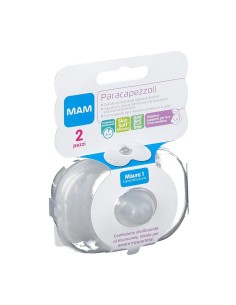
MAM Silicone Nipple Shields 1 protect irritated nipples and make breastfeeding possible even with flat nipples. MAM nipple shields:Have an ergonomic shape;Have a slightly flattened teat;Come in a double sterilising case.The nipple shields are thin, with a second-skin effect, for excellent adherence.

€9.29
Chicco Silicone Nipple Shields Large protect irritated nipples and make breastfeeding possible even with flat nipples. Chicco nipple shields:Have an ergonomic shape;Have a slightly flattened teat;Come in a double sterilising case.The nipple shields are thin, with a second-skin effect, for excellent adherence.

€5.84
Chicco nursing breast pads offer multi-layer protection with a special antibacterial, absorbent and breathable fabric. Contoured and invisible under clothes, they are dermatologically tested and gentle on breast skin during breastfeeding. Pack of 30 pieces.

€10.21
MAM size M nipple shields, made of soft SkinSoft silicone, are a helpful aid during breastfeeding and reproduce natural contact with the mother's breast.

€16.86
Multicentrum Mamma 30 Tablets is a food supplement recommended for expectant mothers. Taking Multicentrum during pregnancy offers a number of benefits, including: Supporting the healthy growth of the baby;Strengthening the immune system;Supporting maternal tissue growth.After pregnancy, the product can be replaced with Multicentrum Neo Mamma, a postpartum...
Pregnancy & breastfeeding
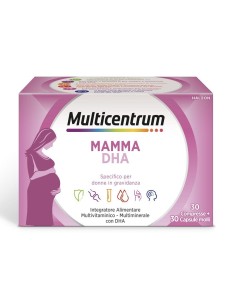
Multicentrum Mamma DHA 30 Tablets + 30 Capsules
HALEON ITALY Srl
986699585
€23.04
Multicentrum Mamma DHA is a supplement designed to support women during pregnancy, offering a balanced combination of vitamins, minerals and DHA, essential for the mother's well-being and optimal development of the foetus.
Pack size: pack of 30 tablets + 30 softgels.
€18.89
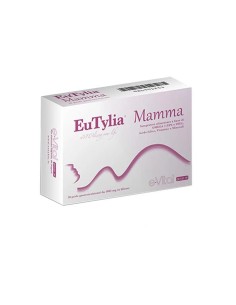
Eutylia Mamma 30 softgels is a food supplement for pregnant and breastfeeding women based on Omega 3, with folic acid, vitamins and minerals, which can:Contribute to maternal tissue growth during pregnancySupport normal haematopoiesisContribute to normal red blood cell formationSupplements should not be used as a substitute for a varied diet.

€4.35
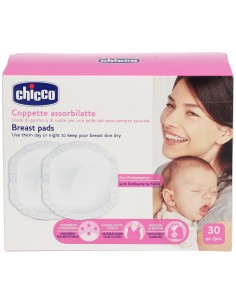
Chicco Breast Pads offer superior antibacterial protection and comfort during breastfeeding, thanks to super-absorbent micro-beads. Format: 30 pieces.

€9.44
Mustela stretch marks oil is a 100% natural oil designed to hydrate and repair stressed areas of the skin, limiting water loss. Mustela oil is:Particularly suitable during pregnancy or after a change in weightHelps prevent and reduce the appearance of stretch marksGives elasticity and radiance
Pregnancy & breastfeeding
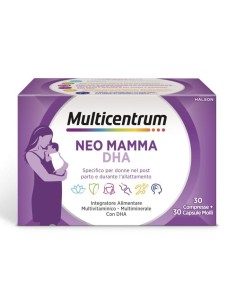
Multicentrum Neo Mamma DHA 30 Tablets + 30 Softgels
HALEON ITALY Srl
986699573
€23.04
Multicentrum Neo Mamma DHA is a supplement formulated to support women during the postpartum and breastfeeding period, containing a combination of essential vitamins and minerals, including DHA and omega 3, to support the metabolism and well-being of new mothers.
Format: pack with 30 swallowable tablets and 30 capsules.
Automatic selection based on product categories and features: for a tailored choice, ask the pharmacist.
What it is and how to recognise it
Rather than a disorder, this is a phase in which the body changes rapidly. In the first trimester nausea (especially in the morning), drowsiness, breast tenderness and greater sensitivity to smells are common. As the months go by, heartburn, constipation, swollen ankles and legs, backache and the first stretch marks on the tummy, hips and breasts may appear.
After the birth, during breastfeeding, the most common discomforts concern the breasts: red or cracked nipples, a feeling of tension when the breast is very full, small leaks of milk between feeds. Added to these are tiredness and broken sleep, entirely understandable in the baby's first months of life.
The most common causes
Most pregnancy discomforts depend on hormonal changes: progesterone, for example, relaxes smooth muscle and slows down intestinal transit and stomach emptying. Blood volume increases, and the growing uterus compresses the veins of the pelvis, making venous return from the legs more difficult. The skin, subjected to rapid stretching, can lose elasticity and develop stretch marks.
During breastfeeding, cracked nipples often result from an incorrect latch, washing too often or harsh cleansers that dry the skin. The requirement for certain nutrients, such as iron, iodine, calcium and omega-3 fatty acids, increases both during pregnancy and in the months of breastfeeding.
Remedies and practical tips
- To combat nausea, eat small, frequent snacks and keep a few crackers or rusks on your bedside table to eat before getting up.
- Sip water throughout the day and favour vegetables, fruit, pulses and wholegrain cereals to support regular bowel movements.
- Move every day with gentle activities such as walking, swimming or pregnancy exercise classes, unless your gynaecologist has advised otherwise.
- When sitting or lying down, raise your legs; avoid standing still for long periods and crossing your legs.
- Moisturise the skin on your tummy, breasts and hips every day, from the first weeks, with a gentle massage.
- For breastfeeding, ask the midwife to check the baby's position and latch: it is the first step in preventing cracked nipples.
- Wash your breasts with lukewarm water only or a very gentle cleanser and let them air-dry after feeding.
What you can find at the pharmacy
Pregnancy supplements generally combine folic acid, iron, iodine, vitamin D and DHA: folic acid is recommended from the time you start trying for a baby, but doses and duration should always be agreed with your gynaecologist. There are also formulations designed for breastfeeding, which help cover the mother's increased requirement for certain nutrients. Remember that supplements are not a substitute for a varied, balanced diet.
For the skin you will find anti-stretch mark creams and oils, to be massaged in daily to keep the skin elastic and moisturised. For the breasts, nipple creams (for example based on purified lanolin) are useful: they protect and soften the skin and generally do not need to be removed before feeding; breast pads keep the area dry, while nipple shields can give temporary relief when nipples are very sensitive. For nausea, some women find acupressure wristbands or ginger sweets helpful, to be used in any case after consulting the doctor.
When to see a doctor
During pregnancy any product, even a natural one, should be discussed with your gynaecologist or midwife. Contact a doctor immediately in case of bleeding, severe abdominal pain or regular cramps, fever, vomiting so intense that you cannot keep fluids down, persistent headache with visual disturbances, sudden swelling of the face and hands, or reduced baby movements. During breastfeeding, seek advice if the breast becomes red, hot and painful with fever, if cracked nipples do not improve within a few days or bleed, or if you have doubts about your baby's growth.
Frequently asked questions
When should you start taking folic acid?
The general recommendation is to start as soon as you plan a pregnancy and continue during the first months; dose and duration should be decided with your doctor.
Do anti-stretch mark creams really work?
They cannot guarantee that you will avoid them, as predisposition plays a big part, but keeping the skin moisturised and elastic with a daily massage can help.
Can I use nipple cream without removing it before feeding?
Many products based on purified lanolin are designed precisely for this: always check the directions on the packaging.
The information on this page is for general information purposes only and does not replace the advice of a doctor or pharmacist. Food supplements should not be used as a substitute for a varied, balanced diet and a healthy lifestyle. If symptoms persist or are severe, consult a healthcare professional.