
Shopping Cart


Nappy rash: causes, remedies and pharmacist's advice
Nappy rash is redness of the skin in the area covered by the nappy and is one of the most common complaints in the first years of life. With careful changing and suitable protective products, in most cases it improves within a few days.
Read the full guide ↓Useful products for nappy rash
Nappy pastesSoothing creamsGentle baby wipesBaby cleansersNappies

€9.89
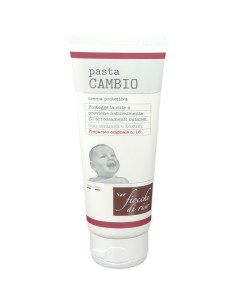
Fiocchi di Riso Nappy Change Paste 100 ml is a moisturising product that protects baby's skin. Thanks to its formulation, Fiocchi di Riso cream:Regulates odours;Has a soothing and refreshing action;Keeps the skin healthy and protected.We recommend using Fiocchi di Riso Protective Cream after each nappy change.

Changing wipes, creams & pastes
Mustela 1-2-3 Nappy Change Paste 100 ml
LAB.EXPANSCIENCE ITALIA Srl
924932914
€6.93
Mustela nappy change paste is a soothing and moisturising cream indicated to soften babies' delicate skin and protect it from irritation. Mustela nappy change cream is a product:With 98% ingredients of natural origin, free from parabens and allergensWith a barrier effect against free radicalsRepairing
€5.39
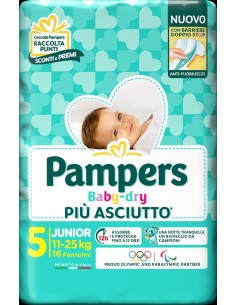
Pampers Baby Dry size 5 Junior nappy for babies from 11 to 25 kg, with an absorbent top sheet with a gentle Aloe lotion: keeps wetness away from the skin and lets air through. Pack of 16 pieces.

Changing wipes, creams & pastes
Mustela 1-2-3 Nappy Change Paste 50 ml
LAB.EXPANSCIENCE ITALIA Srl
924932902
€5.96
Mustela 1-2-3 Nappy Change Paste is a cream formulated for use from birth, offering ideal protection for babies' delicate skin. It is perfect for helping to prevent, soothe and repair redness and irritation caused by nappy rash, thanks to its natural active ingredients.
Size: 50 ml tube.
€5.40
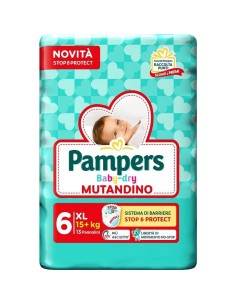
Pampers Baby Dry Nappy Pants Extra Large for children offer a comfortable fit and reliable protection. Ideal for the night. Format: 13 pieces.

Moisturising & soothing products for children
Bepanthenol Soothing Protective Paste 100 g
BAYER SpA
900059991
€9.68
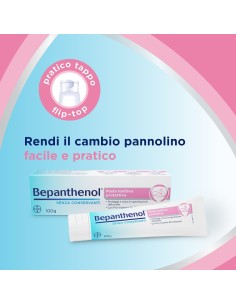
Bepanthenol Soothing Protective Paste, a protective paste for babies, with 5% panthenol to protect the skin from nappy rash irritation. Size: 100 g tube.


Changing wipes, creams & pastes
Babygella Prebiotic Protective Paste 100 ml
MYLAN ITALIA Srl
944702125
€6.44
Nappy-change protective paste with a prebiotic complex and a barrier effect for the sensitive skin of newborns and children. 100 ml pack.
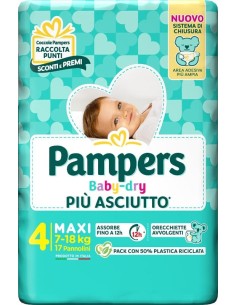
€5.41
Pampers Baby Dry Nappies Downcount Maxi, size 4 nappies (7-18 kg) with Aloe Vera lotion, for dry, breathable protection for up to 12 hours. Size: 17 pieces.

€5.49
Pampers Baby Dry Junior Pants, the easy-to-wear absorbent pants, ideal for growing children. Size: 13 pieces.
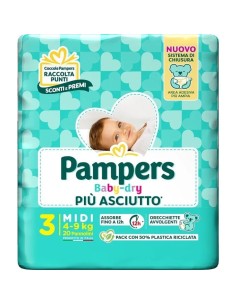
€5.39
Pampers Baby Dry Midi Nappies, absorbent nappies with breathable materials and Aloe Vera lotion, ideal for babies from 4-9 kg. Size: 20 pieces.
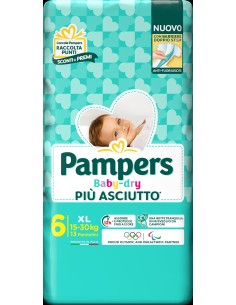
€5.36
Pampers Baby Dry size 6 XL nappy for babies from 15 to 30 kg, with an absorbent top sheet with a gentle Aloe lotion: super-absorbent structure and breathable materials for breathable dryness. Pack of 13 pieces.
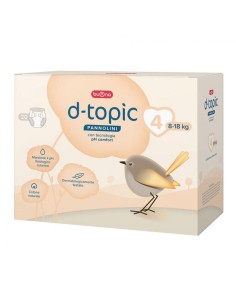
€10.17
Dtopic Nappies Size 4 for babies, with pH comfort technology and natural cotton for gentle protection. Pack size 20 pieces.
Automatic selection based on product categories and features: for a tailored choice, ask the pharmacist.
What it is and how to recognise it
Nappy rash is an irritation of the skin on the buttocks, genitals, groin folds and lower tummy. It appears as more or less widespread redness, shiny or slightly swollen skin and, in more marked cases, small flaky patches, bumps or red, moist areas. The baby may be more irritable, especially during changes or when weeing.
A typical sign of the irritant form is that the skin folds are often spared, because they are less in contact with the nappy. If, on the other hand, the redness is very bright, affects the folds themselves and has small spots at the edges, there may be a yeast superinfection, which should be assessed by the paediatrician.
The most common causes
The main culprit is prolonged contact of the skin with urine and faeces: moisture softens the surface layer of the skin, while faecal enzymes and ammonia make it more vulnerable. Rubbing from the nappy does the rest. The risk increases when changes are not frequent enough, during bouts of diarrhoea, during teething or antibiotic treatment, and with the introduction of new foods during weaning, which change the characteristics of the stools. Perfumed wipes, harsh cleansers or a sensitivity to some component of the nappy can also contribute.
In babies with dry or atopic skin, the skin tends to be more reactive, and the nappy area is no exception. As the child grows and moves on to the potty, the problem tends to disappear on its own. In the meantime, knowing the factors that encourage it allows you to act in advance, for example by taking extra care on days with diarrhoea or during a course of antibiotics.
Remedies and practical tips
- Change the nappy often and immediately after every bowel movement, even at night if the skin is very irritated.
- For cleaning, choose lukewarm water and a gentle cleanser specifically for babies; wipes are handy when out, but choose ones without perfume or alcohol.
- Pat dry, without rubbing, paying particular attention to the folds.
- Leave the bottom uncovered for a few minutes several times a day: it is one of the most effective remedies.
- At every change, apply a generous layer of protective paste to clean, dry skin.
- Do not fasten the nappy too tightly and choose the right size.
- Avoid talc and powders, which can be inhaled and, with moisture, form irritating clumps.
What you can find at the pharmacy
The key product is nappy paste, generally based on zinc oxide: it forms a barrier that isolates the skin from moisture and irritants. It is applied in an even layer at every change and does not need to be completely removed each time: simply remove the dirt and restore the layer. There are also more fluid soothing creams, with ingredients such as panthenol, calendula, bisabolol or zinc oxide in a lower concentration, suitable for daily prevention or when irritation is mild.
The routine is completed by newborn hygiene cleansers with a physiological pH, gentle perfume-free wipes and breathable nappies with good absorbency. For more reactive skin you can find formulations for sensitive or atopic skin. If redness does not improve after a few days of correct care, do not increase the number of products but ask for advice.
When to see a doctor
Contact the paediatrician if the redness does not improve after three to four days of careful care, if it worsens or spreads beyond the nappy area, if blisters, pustules, yellowish crusts, sores or bleeding appear, if the folds are heavily involved with red satellite spots or if the baby has a fever or seems unwell. For newborns in the first weeks of life, too, a check-up is advisable before using products other than a simple protective paste.
Frequently asked questions
Do you need to remove all the zinc oxide paste at every change?
No: it is enough to gently remove the dirt and reapply a fresh layer over what remains.
Is it better to use wipes or wash with water?
At home, lukewarm water with a gentle cleanser is preferable; perfume-free wipes are fine when you are out.
Does talc help keep the skin dry?
It is best avoided: it can be inhaled by the baby and, on contact with moisture, further irritate the skin.
The information on this page is for general information purposes only and does not replace the advice of a doctor or pharmacist. Food supplements should not be used as a substitute for a varied, balanced diet and a healthy lifestyle. If symptoms persist or are severe, consult a healthcare professional.