
Shopping Cart


Blocked nose and sinusitis: causes, remedies and tips to breathe
A blocked nose takes your breath away, disturbs your sleep and often brings with it the annoying pressure on the forehead and cheekbones typical of sinusitis. Understanding where the congestion comes from helps you choose the right remedy and avoid common mistakes.
Read the full guide ↓Useful products for blocked nose and sinusitis
Hypertonic nasal spraysNasal douches and irrigatorsNebulisersNasal strips
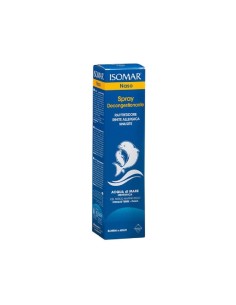
Nasal decongestants
Isomar Blocked Nose Hypertonic Sea Water Solution for Nasal Decongestion 50 ml
EURITALIA PHARMA (div.COSWELL)
921732867
€6.78
Isomar Decongestant Nasal Spray, a sea water-based nasal decongestant spray, ideal for clearing a blocked nose. Pack size: 50 ml bottle.
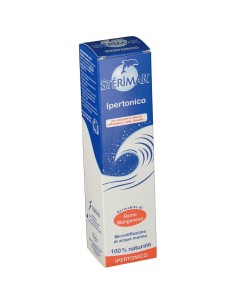
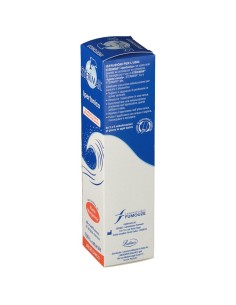
Nasal decongestants
Sterimar Hypertonic Blocked Nose Copper and Manganese Spray 50 ml
Laboratori Baldacci
931203006
€9.18
Sterimar Hypertonic Blocked Nose, a decongestant nasal spray to clear a blocked nose in cases of colds and sinusitis. Size: 50 ml spray.

€10.61
Rinorex Flu Nasal Douche, a hypertonic solution for nasal decongestion, ideal for clearing and moisturising the nose during a cold. Pack size: 10 vials.
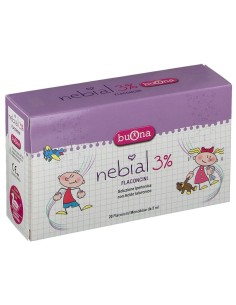
Nasal washes & irrigation
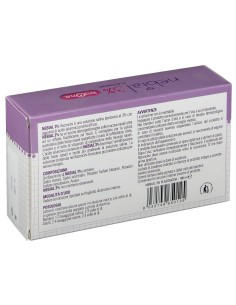
Nebial Vials 3% Hypertonic Sodium Chloride Saline Solution with Hyaluronic Acid 20x5 ml
BUONA SpA SOCIETA' BENEFIT
923587164
€12.99
Nebial 3% Vials, a hypertonic solution with hyaluronic acid for nasal decongestion in case of colds and sinusitis. Pack size: 20 vials of 5ml.

Nasal decongestants
Ialumar Hypertonic Adults and Kids Nasal Solution 100 ml
MYLAN ITALIA Srl
933801452
€10.45
Ialumar Hypertonic Adults/Kids, decongestant spray with hyaluronic acid, for adults and children. Relieves nasal dryness. Pack size: 100 ml bottle.

€6.65
Zentiva Hypertonic Solution 100ml, a nasal spray to decongest the nose during colds, with hyaluronic acid. Format: 100 ml bottle.
Nasal washes
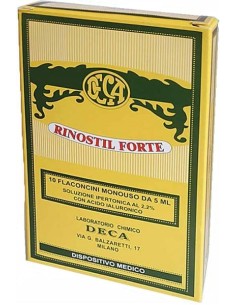
Rinostil Forte Hypertonic Solution 10 Single-Dose Vials of 5 ml
Deca Laboratorio
942968696
€17.27
Rinostil Forte, a hypertonic solution for nasal decongestion with hyaluronic acid, ideal for colds. Pack size: 10 vials of 5 ml.

Nasal decongestants
Nebial 3% Hypertonic Sodium Chloride Saline Solution with Hyaluronic Acid Nasal Spray...
BUONA SpA SOCIETA' BENEFIT
931969517
€12.08
Nebial 3% Nasal Spray, a hypertonic solution with hyaluronic acid for nasal decongestion in case of colds and sinusitis. Pack size: 100 ml can.

Nasal decongestants
Rinazina Aquamarina Hypertonic Nasal Spray with Eucalyptus 20 ml
HALEON ITALY Srl
971101136
€8.49
Rinazina Aquamarina Nasal Spray, a hypertonic solution to decongest a nose blocked by colds and rhinosinusitis. Pack size: 20 ml spray.

Nebulisers
Libenar 3% Hypertonic Saline Solution for Aerosol Inhalation 18 Single-Use Vials x 4 ml
PERRIGO ITALIA Srl
975197474
€6.71
Libenar Aerosol 3%, hypertonic solution for aerosol therapy; helps clear mucus and prevents bronchial dryness. Helpful in cystic fibrosis. Pack size: 18 vials of 4 ml.

€19.36
Breathe Right Clear are nasal strips that lift the nostrils to improve airflow and reduce snoring, suitable for sensitive skin. Pack of 30 pieces.

€7.13
Libenar Hypertonic Decongestant Spray, a hypertonic solution for nasal decongestion in babies, children and adults. Pack size: 100 ml spray bottle.
Automatic selection based on product categories and features: for a tailored choice, ask the pharmacist.
What it is and how to recognise it
Nasal congestion is caused by swelling of the tissues lining the nasal cavities and a build-up of mucus. When the inflammation extends to the paranasal sinuses, small cavities within the bones of the face, it is called sinusitis or, more correctly, rhinosinusitis. The typical signs are:
- a nose blocked on one or both sides and breathing through the mouth;
- thick discharge, which may also run down the throat;
- a feeling of heaviness or pain in the forehead, cheekbones and around the eyes, which increases when bending forward;
- a reduced sense of smell and taste;
- a nasal voice, headache, sometimes bad breath and tiredness.
A blocked nose is not just a nuisance: breathing through your mouth for long periods dries the throat, worsens sleep quality and can encourage snoring and night-time waking, with tiredness the next day. In children, frequent congestion can make even eating and drinking difficult. This is why it is worth acting early with the simplest measures, without waiting for mucus to stagnate for days in the facial cavities.
The most common causes
In most cases acute sinusitis follows a cold: swelling of the nasal lining hinders drainage of the paranasal sinuses and mucus stagnates. Other conditions that encourage a blocked nose are:
- allergic rhinitis, seasonal or perennial (dust mites, dust, animal hair);
- very dry or polluted air, smoke;
- a deviated nasal septum, enlarged turbinates, nasal polyps;
- hormonal changes, as in pregnancy;
- prolonged use of decongestant sprays, which can cause a "rebound effect" with chronic congestion.
Remedies and practical tips
- Do regular nasal washes: they remove mucus and help keep the nasal passages clear.
- Breathe in the steam from a bowl of hot water for a few minutes, with a towel over your head.
- Drink enough to keep secretions fluid.
- Apply warm compresses to the forehead and cheekbones to relieve the feeling of pressure.
- Sleep with your head raised and humidify the bedroom.
- Avoid smoke, strong perfumes and sudden changes in temperature.
- If you have an allergy, reduce exposure to allergens with frequent cleaning and washing bed linen at high temperatures.
What you can find at the pharmacy
- Hypertonic nasal sprays: more concentrated saline solutions which, through an osmotic effect, may help reduce swelling of the nasal lining and decongest the nose naturally.
- Isotonic solutions and sea water for daily cleansing, also suitable for children.
- High-volume irrigators and nasal douches, useful for a deep wash of the nasal cavities in sinusitis.
- Nebulisers with a nasal douche or specific chamber, to nebulise saline solutions into the upper airways.
- Dilating nasal strips, which mechanically widen the nostrils and improve airflow at night.
- Balsamic essential oil inhaler sticks and oils, for a feeling of freer breathing.
Please note: decongestant sprays are medicines and should not be used for more than a few consecutive days without medical advice.
To do a nasal wash correctly, tilt your head forward and to the side over the sink, insert the nozzle into one nostril and let the solution come out of the other while breathing through your mouth. Then repeat on the other side and blow your nose gently. Always use sterile solutions or water prepared according to the device instructions, and carefully wash and dry irrigators and chambers after each use to prevent germs from multiplying.
When to see a doctor
- Symptoms that last more than ten days or get worse after an initial improvement.
- High fever, intense or one-sided facial pain.
- Swelling or redness around the eyes, vision problems, severe headache or stiff neck: urgent checks are needed.
- Recurrent sinusitis, several episodes a year, or a nose that has always been blocked on the same side.
- Pregnancy, young children, people with asthma or weakened immune defences.
Frequently asked questions
Is isotonic or hypertonic solution better?
Isotonic solution is ideal for daily cleansing; hypertonic is more suitable when the nose is very blocked, for short periods, because it can cause a slight stinging.
Does sinusitis go away on its own?
Many acute viral sinus infections improve spontaneously within one or two weeks with nasal washes and rest. If it persists or gets worse, you need to see a doctor.
Do nasal strips really work?
They can improve airflow by widening the nostrils, especially at night, but they do not act on the cause of the congestion.
The information on this page is for general information purposes only and does not replace the advice of a doctor or pharmacist. Food supplements should not be used as a substitute for a varied, balanced diet and a healthy lifestyle. If symptoms persist or are severe, consult a healthcare professional.