
Shopping Cart


Dry and chesty cough: how to tell them apart and which remedies to use
Coughing is a valuable defence mechanism: it clears the airways of mucus, dust and irritants. Telling a dry cough from a chesty cough is the first step in choosing the most suitable remedy and understanding when it is worth looking into further.
Read the full guide ↓Useful products for dry and chesty cough
Dry cough syrupsChesty cough syrupsNebulisers and saline solutionsChest rubs
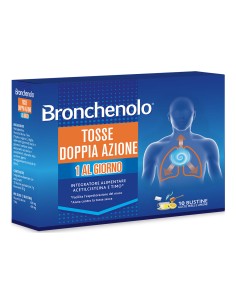
€6.50
Bronchenolo Tosse Doppia Azione, for dry and chesty cough thanks to the action of N-acetylcysteine and thyme. Size: 10 sachets.


€12.33
Rinorex is a hypertonic saline solution designed for congested airways, especially the nose, and is very useful to:
Thin secretions to clear the nose;
Moisturise the mucous membranes;
Relieve the symptoms of colds and rhinitis.
Pack size: pack of 25 sterile single-dose vials of 3 ml each.

€5.65
Hypertonic Tonimer aerosol 18 vials 3 ml is a product based on hypertonic sea water, indicated for a decongestant action on the nasal passages. Tonimer for babies and adults is recommended to:thin mucus and clear the bronchi bring relief to the airwaysdecongest in case of colds


€2.88
Apropos Balsamic Candies, candies with propolis and balsamic essential oils for throat well-being. Pack size: 50 g.
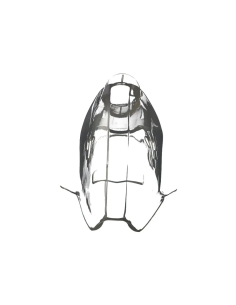
€3.83
Adult Aerosol Mask Code 472009 is a nebuliser mask for the correct operation of the device during aerosol therapy. The Aerosol Mask Code 472009 is used in the treatment of respiratory conditions including:bronchial asthma;pulmonary emphysema;chronic bronchitis.
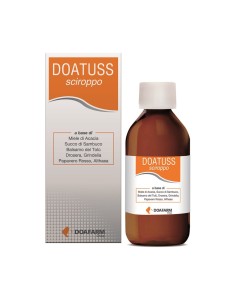
€12.42
Doatuss Syrup, valuable help for both chesty and dry coughs; promotes the fluidity of bronchial secretions. Ideal for adults and children. Pack size: 150 ml.

€2.20
Universal mask in soft PVC for nebuliser therapy, washable and sterilisable. Compatible with accessories from the same range.

€14.82
Espersol Nebuliser Solution for Aerosol 20 Vials is a particularly useful product thanks to its action in the treatment of colds, rhinitis and sinusitis.Espersol:is a nebulisable solution based on sea water and hyaluronic acid;Has a mucus-thinning action for the treatment of colds, rhinitis and sinusitis;Comes in a pack of 20 vials of 5ml.

Nebulisers
Libenar 3% Hypertonic Saline Solution for Aerosol Inhalation 18 Single-Use Vials x 4 ml
PERRIGO ITALIA Srl
975197474
€6.71
Libenar Aerosol 3%, hypertonic solution for aerosol therapy; helps clear mucus and prevents bronchial dryness. Helpful in cystic fibrosis. Pack size: 18 vials of 4 ml.
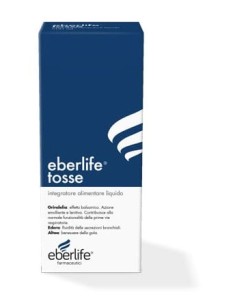
€11.92
Eberlife Cough 200ml is a supplement for respiratory wellbeing, with a balsamic action thanks to Grindelia, Ivy and Marshmallow. Format: 200 ml bottle.

€13.74
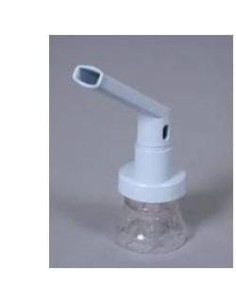
MEFAR 2000 NEBULISER CUP WITH CONNECTOR for aerosol therapy, a Class IIa medical device for administering prescribed medicines. Size: 1 piece.
€2.29
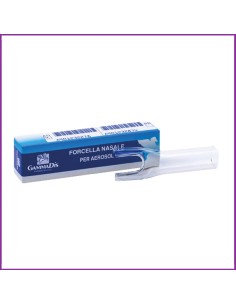
Nasal fork in plastic for nebuliser devices, by Gammadis.
Automatic selection based on product categories and features: for a tailored choice, ask the pharmacist.
What it is and how to recognise it
A cough is a reflex that forcefully expels air from the lungs to clear the trachea and bronchi. Depending on its characteristics, there are two main forms:
- dry cough (or tickly cough): produces no phlegm, is often persistent, gets worse at night or when talking and leaves the throat feeling irritated and "tickly";
- chesty cough (or productive cough): comes with mucus rising from the bronchi that is coughed up, with a more "wet" sound.
It is not unusual for a cough to change during a respiratory infection: it starts dry and then becomes chesty, or vice versa. A cough is called acute when it lasts less than three weeks, and persistent or chronic beyond eight weeks.
The workplace can also play a part: dust, vapours, cooking fumes or irritating chemicals can keep a dry cough going, which improves at weekends or during holidays. In children, on the other hand, coughing very often accompanies common colds and can drag on for a long time, especially at night, because of mucus running down from the nose. Noting when it appears and what makes it worse is valuable information to pass on to your doctor or pharmacist.
The most common causes
The most frequent cause is viral infection of the airways: colds, flu, acute bronchitis. A post-infectious cough can drag on for several weeks after recovery. Other possible causes are:
- mucus running from the nose down into the throat, typical of rhinitis and sinusitis;
- allergies and asthma;
- cigarette smoke and pollution;
- dry or dusty air;
- gastro-oesophageal reflux;
- side effects of certain medicines, to be assessed with your doctor.
Remedies and practical tips
- Drink plenty of water and hot drinks: good hydration makes mucus runnier and easier to cough up.
- A teaspoon of honey in the evening can soothe an irritated throat (never under one year of age).
- Do steam inhalations with hot water or take hot showers: steam moistens the airways.
- Keep rooms humidified, especially the bedroom.
- Sleep with your head slightly raised to reduce night-time coughing fits.
- Don't smoke and avoid rooms where people smoke.
- Clear your nose often with saline washes if the cough is linked to nasal mucus.
What you can find at the pharmacy
The choice of product depends on the type of cough. At the pharmacy you will mainly find medical devices and natural products:
- Dry cough syrups based on substances that form a protective film (honey, plant polysaccharides, extracts of plantain, marshmallow, grindelia): help calm irritation of the throat lining.
- Chesty cough syrups with ingredients that help thin and clear mucus, often with ivy, thyme or plantain extracts.
- "All-in-one" formulations designed for both dry and chesty coughs.
- Balsamic lozenges to dissolve in the mouth.
- Saline solutions for nebulisers and nebuliser devices, useful for moistening the airways.
- Balms and essential oils to rub on the chest or diffuse in the room, to be avoided in children under three if they contain camphor or menthol.
For children, choose age-specific formulations and always ask your paediatrician or pharmacist before using them.
When choosing a syrup, read the label carefully: some contain sugars or honey and are not suitable for people with diabetes or children under one year, while others are formulated gluten-free or alcohol-free. Respect the stated duration of use and do not combine products with opposite functions, for example one that calms the cough and one that helps bring up phlegm. For nebulisers, always use clean, dry devices, replacing chambers and masks according to the manufacturer's instructions.
When to see a doctor
- A cough that lasts more than three weeks without improvement.
- High fever, shortness of breath, wheezing or chest pain.
- Phlegm with traces of blood or of an unusual, persistent colour.
- A "barking" cough or violent coughing fits with retching in children.
- Unexplained weight loss, night sweats, marked tiredness.
- Newborns, older people, pregnant women and people with asthma, COPD or heart disease.
Frequently asked questions
Can I use a cough suppressant if I have phlegm?
It is generally not advisable: suppressing a chesty cough hinders the clearance of mucus. It is best to ask your pharmacist or doctor for advice.
Why is my cough worse at night?
When lying down, mucus pools in the throat and bedroom air is often drier: raising your pillow and humidifying the room can help.
How long can a cough last after a cold?
A lingering cough can persist for two or three weeks. If it goes on longer or gets worse, a visit to the doctor is advisable.
The information on this page is for general information purposes only and does not replace the advice of a doctor or pharmacist. Food supplements should not be used as a substitute for a varied, balanced diet and a healthy lifestyle. If symptoms persist or are severe, consult a healthcare professional.