
Shopping Cart


Common cold: symptoms, causes and pharmacist-recommended remedies
The common cold is the most frequent seasonal complaint: annoying, but almost always harmless and set to clear up on its own in about a week. With a few precautions and the right products, however, you can get through it breathing more easily and resting better.
Read the full guide ↓Useful products for common cold
Saline nasal solutionsNasal douchesBalsamic essential oilsImmune support supplements


Moisturising nasal sprays
Isotonic Seawater Spray with Sodium Hyaluronate for Nasal Hygiene, Adults and Children...
MYLAN ITALIA Srl
913152397
€10.09
Ialumar Isotonic Spray Solution, an isotonic solution for the daily nasal hygiene of adults and children. Helps clear nasal secretions. Size: 100 ml.


Nasal washes & irrigation
Nasir Nasal Douche with Isotonic Saline Solution 10 Bags 250 ml + 1 Blister
E.P. MEDICA Srl
920344569
€24.73
Nasir Nasal Douche, an isotonic saline solution for nasal irrigation, ideal for the hygiene and well-being of the mucous membranes. Size: 10 bags of 250ml + 1 device.

Nasal washes
Eumill Naso Baby Saline Solution 20 Single-Dose Containers 5 ml
RECORDATI SpA
944307925
€4.29
Eumill Naso Baby Saline Solution, sterile solution for nasal, eye and ear hygiene in newborns and adults. Ideal for nebuliser therapy. Format: 20 single-dose containers of 5 ml.
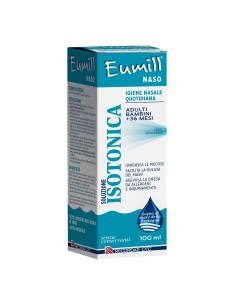
€8.12
Eumill Nasal Spray Isotonic Solution, a nasal spray for the daily hygiene of adults and children. It hydrates and protects the nasal mucosa. Format: 100 ml spray bottle.

Moisturising nasal sprays
Espersol Hypertonic Nasal Spray Solution with Sea Water and 0.02% Hyaluronic Acid 100 ml
I.P. Farma
935329223
€14.09
Espersol Nasal Spray, a hypertonic solution to clear a blocked nose caused by allergies, colds, rhinitis and sinusitis. Pack size: 100 ml spray bottle.

€10.61
Rinorex Flu Nasal Douche, a hypertonic solution for nasal decongestion, ideal for clearing and moisturising the nose during a cold. Pack size: 10 vials.

Nasal washes
Narhinel Saline Solution for Nasal Aspirator 20 Vials of 5 ml
HALEON ITALY Srl
903367148
€2.17
Narhinel Saline Solution, sterile saline solution for the nasal hygiene of newborns and children, ideal for moisturising and clearing a blocked nose. Format: 20 vials of 5 ml.


€27.96
Rinoway Isotonic Salts for nasal irrigation in cases of rhinitis, sinusitis and colds. An isotonic solution for cleansing the airways. Size: 60 sachets.


€2.88
Apropos Balsamic Candies, candies with propolis and balsamic essential oils for throat well-being. Pack size: 50 g.


€5.74
Fluirespira Saline Solution, a sterile saline solution for nasal hygiene in newborns, children and adults. Helps remove mucus. Format: 30 vials of 5 ml.

Nasal washes & irrigation
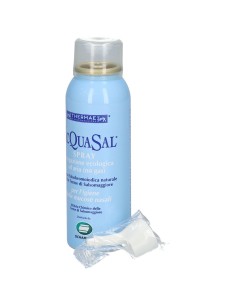
Acquasal Spray Isotonic Solution Nasal Irrigation Spray 100ml
Scharper
937413021
€12.54
Acquasal Spray, an isotonic solution for the nasal hygiene of babies and adults, useful for removing mucus and hydrating. Pack size: 100 ml spray bottle.
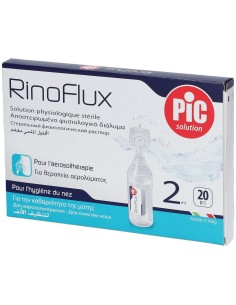

€3.45
Rinoflux Saline Solution, sterile saline for nebuliser therapy and nasal irrigation in infants and adults. Ideal to moisturise and decongest. Size: 20 vials of 2 ml.
Automatic selection based on product categories and features: for a tailored choice, ask the pharmacist.
What it is and how to recognise it
The common cold is a viral infection of the upper airways, i.e. the nose and pharynx. It usually starts with a slight tickle in the throat or a dry feeling in the nose, followed within a few hours by repeated sneezing and a heavy, watery nasal discharge.
Over the following days the mucus tends to become thicker and sometimes yellowish or greenish: this is a normal development and does not in itself mean that a bacterial infection has set in. The picture may also include:
- a blocked nose, especially at night;
- watery, reddened eyes;
- a mild headache and a feeling of tiredness;
- a slight cough due to mucus running down the throat;
- a slight temperature, more common in children.
Symptoms peak between the second and third day and tend to wear off within 7-10 days.
Colds are even more frequent in children: in the first years of life, especially when starting nursery or pre-school, it is normal for them to recur several times during the cold season. Adults have fewer episodes and they are generally shorter. People with respiratory allergies may struggle to tell the two conditions apart, but a slight temperature and someone else in the family being ill point towards a viral cause.
The most common causes
The culprits are numerous respiratory viruses, first and foremost rhinoviruses. Infection spreads through droplets released when sneezing and coughing, but also by touching contaminated surfaces and then bringing your hands to your nose, mouth or eyes.
Cold weather itself does not cause colds, but in the winter months we spend more time in closed, crowded places where viruses circulate easily. In addition, the dry air from radiators makes the nasal lining less effective as a barrier. Stress, lack of sleep and a diet low in fruit and vegetables can make the body more vulnerable.
Remedies and practical tips
- Rest: sleeping more in the first few days helps the body respond.
- Drink plenty: water, hot herbal teas and broths keep secretions fluid.
- Do nasal washes with saline solution several times a day to remove mucus and particles.
- Keep room humidity between 40 and 60% and air the rooms every day.
- Sleep with your pillow slightly higher to help your nose drain.
- Blow your nose one nostril at a time, gently, and use disposable tissues.
- Wash your hands often and cover your mouth and nose when you sneeze, so as not to infect others.
- Bring fruit and vegetables rich in vitamin C and warm, light dishes to the table.
What you can find at the pharmacy
At the pharmacy you can find various products designed to relieve the discomfort of a cold, without replacing medical advice when it is needed:
- Isotonic saline solutions in sprays or single-dose vials: cleanse the nasal passages and are also suitable for little ones and for daily use.
- Hypertonic solutions: through an osmotic effect they may help reduce the feeling of a blocked nose; used for short periods.
- Nasal douches and irrigators, for a deeper wash.
- Soothing nose creams and ointments, useful on skin reddened and chapped by rubbing with tissues.
- Balsamic essential oils (eucalyptus, mint, pine) to diffuse in the room or use in steam inhalations, not to be used on young children.
- Food supplements based on echinacea, propolis, zinc or vitamin C, which may contribute to the normal function of the immune system.
Remember that food supplements are not a substitute for a varied, balanced diet and a healthy lifestyle.
For little ones who cannot yet blow their nose, there are nasal aspirators to use after a few drops of saline solution: clearing the nose before meals and bedtime helps the child eat and sleep better. In all cases it is best to start nasal washes at the first symptoms, without waiting for the nose to be completely blocked, and to change tissues often to reduce the spread of viruses at home.
When to see a doctor
A cold does not usually require a visit, but it is advisable to contact your doctor if:
- fever exceeds 38.5 °C or lasts more than three days;
- symptoms do not improve after ten days or get worse after an initial improvement;
- facial pain, ear pain or difficulty breathing appear;
- it concerns a newborn or very young child, an older person or someone with chronic respiratory or heart disease;
- you are pregnant and want to use any product, even a natural one.
Frequently asked questions
Do antibiotics help with a cold?
No: colds are caused by viruses, on which antibiotics have no effect. Only a doctor can prescribe them in case of bacterial complications.
How many times a day can I do nasal washes?
With isotonic saline solution they can be repeated several times a day, for example in the morning, before meals and before going to sleep.
Is a cold contagious even before symptoms appear?
Yes, it can be passed on as early as a day before symptoms appear and especially in the first two or three days of illness.
The information on this page is for general information purposes only and does not replace the advice of a doctor or pharmacist. Food supplements should not be used as a substitute for a varied, balanced diet and a healthy lifestyle. If symptoms persist or are severe, consult a healthcare professional.