
Shopping Cart


Mouth ulcers: why they appear and how to find relief
Mouth ulcers (canker sores) are small sores in the mouth that are painful especially when eating or talking. They are not contagious and usually heal on their own within one or two weeks, but a few precautions can reduce the discomfort and help prevent them from coming back.
Read the full guide ↓Useful products for mouth ulcers
Protective gels for mouth ulcersSoothing mouthwashesOral spraysB vitamins

€9.48
Curasept Afte Rapid DNA Gel, a protective gel for mouth ulcers that reduces pain, protects and speeds up healing. Ideal for single or small ulcers. Format: 10 ml tube.

€8.60
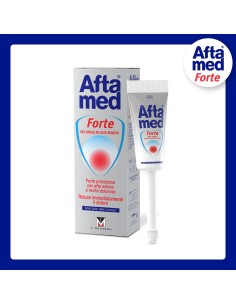
Aftamed Gel Forte Scudo for extensive mouth ulcers, reduces pain and promotes healing of lesions thanks to hyaluronic acid. Pack size: 8 ml tube.

€10.41
Curasept Afte Rapid Spray, fast action against mouth ulcers and oral lesions. Reduces pain and speeds up healing. Format: 15 ml spray.

€7.86
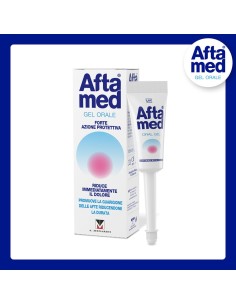
Aftamed Gel, an oral gel for mouth ulcers, relieves pain and speeds up the healing of lesions. Format: 10 ml tube.

€13.59
Jalma Oral Mucosa Spray Solution for the oral mucosa creates a protective barrier for proper re-epithelialisation. Ideal for gums and mucous membranes. Pack size: 50 ml.
€8.25
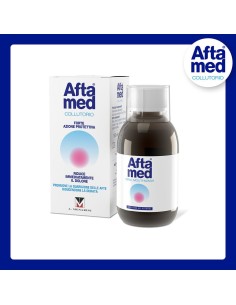
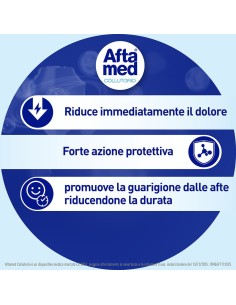
Aftamed Mouthwash, with its hyaluronic acid formulation, immediately reduces the pain caused by mouth ulcers, helping them heal. The product is suitable for single or multiple mouth ulcers and for recurrent ulcers, providing a protective action.
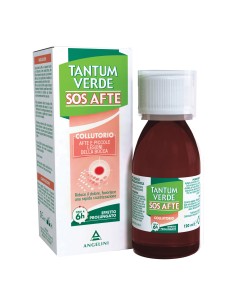
€6.94
Tantum Verde SOS Afte Mouthwash, a mouthwash for mouth ulcers and irritation that creates a protective barrier to support rapid healing. Suitable for adults and children. Size 120 ml bottle.
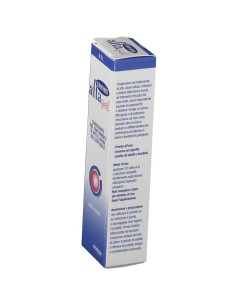
€7.16
Film-forming gel for the oral cavity with PVP and zinc gluconate: it adheres to the mucosa, creating a protective barrier over mouth ulcers and minor lesions and helping to relieve pain. For adults and children, 8 ml tube with applicator.


€8.60
Aftamed Gel Junior, with its hyaluronic acid-based formulation, immediately reduces the pain caused by mouth ulcers, helping them heal. The product, with a pleasant bubblegum flavour, is indicated as a first-aid treatment for mouth ulcers in children.


€9.78
OroBen Oral Gel, a medical device for mouth ulcers and sores; it reduces pain and supports healing. Also suitable for children. Size: 15 ml tube.

€9.11
Curasept Afte Rapid Mouthwash for mouth ulcers and lesions, useful for reducing pain and speeding up healing. Format: 125 ml bottle.

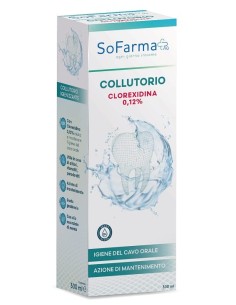
€3.00
COLLUTORIO CLOR 012 SOFARMAPIU', a mouthwash with chlorhexidine for oral hygiene in cases of bad breath, stomatitis and periodontitis. Pack size: 300 ml bottle.
Automatic selection based on product categories and features: for a tailored choice, ask the pharmacist.
What it is and how to recognise it
Mouth ulcers, or aphthous stomatitis, are round or oval yellowish-white lesions surrounded by a red halo. They appear on the inner lining of the cheeks and lips, on the tongue, on the floor of the mouth or on the movable gums. Typical features:
- pain or burning, often out of proportion to their size;
- discomfort that increases with acidic, salty or spicy foods;
- sometimes a slight tingling in the area a day before they appear;
- spontaneous healing within 7-14 days, without scarring in the most common forms.
Mouth ulcers should not be confused with cold sores (labial herpes), which form blisters on the outer edge of the lips and are contagious.
Mouth ulcers are very common: most people experience at least one in their lifetime, and in some they tend to recur several times a year, often from childhood or adolescence. In the most frequent forms the sores are small, single or few in number; however, there are more extensive forms, with large, deep ulcers, which require a medical assessment. As the years go by, episodes often become less frequent.
The most common causes
The precise cause is not fully understood: they are thought to result from a local inflammatory response in predisposed people, including a family tendency. Factors that can trigger them include:
- minor injuries: accidental bites, vigorous brushing, orthodontic braces or dentures;
- stress, tiredness and periods of poor rest;
- hormonal changes, for example in relation to the menstrual cycle;
- iron, vitamin B12 or folic acid deficiencies;
- sensitivity to certain foods (citrus fruit, tomato, nuts, chocolate) or to sodium lauryl sulphate, found in many toothpastes;
- intestinal or systemic diseases, when ulcers are frequent and extensive.
Remedies and practical tips
- During the painful phase choose soft, lukewarm, lightly seasoned foods.
- Avoid acidic, spicy, very salty and crunchy foods that irritate the sore.
- Use a soft-bristled toothbrush and brush gently near the ulcer.
- Try a toothpaste without sodium lauryl sulphate if ulcers keep recurring.
- Rinse your mouth with warm water and a pinch of salt or bicarbonate of soda.
- Drink through a straw if the pain is intense.
- Try to get enough sleep and reduce stress.
- Follow a varied diet, rich in leafy greens, pulses and foods that are sources of B vitamins.
What you can find at the pharmacy
- Protective oral gels: medical devices that create a barrier over the ulcer, isolating it from food and saliva and reducing pain on contact.
- Soothing sprays and mouthwashes with hyaluronic acid, aloe, chamomile or plant extracts, to bring relief to the lining of the mouth.
- Gentle alcohol-free mouthwashes, preferable when the mouth is irritated.
- Mucoadhesive patches to apply to the sore.
- Gentle toothpastes and extra-soft toothbrushes.
- B vitamin, iron or folic acid supplements: vitamin B12 and iron contribute to the normal function of the immune system and are useful especially if a doctor has found a deficiency.
Apply gels after gently drying the area and wait a few minutes before eating or drinking. Food supplements are not a substitute for a varied, balanced diet and a healthy lifestyle.
A small diary can be useful if ulcers come back often: noting when they appear, what you ate in the preceding days, the point in your cycle or times of greater stress helps identify any personal triggers. If you wear a brace or dentures that always rub in the same spot, talk to your dentist: sometimes a small adjustment is enough to prevent new sores.
When to see a doctor
- Ulcers that do not heal within two or three weeks.
- Very large or numerous sores, or sores that keep coming back.
- Associated fever, swollen glands or general malaise.
- Ulcers in other areas of the body too, joint pain, bowel problems or red eyes.
- Painless, hard or bleeding sores: these should always be checked.
- Young children, pregnancy and people with weakened immune defences.
Frequently asked questions
Are mouth ulcers contagious?
No, they are not passed on through kissing or sharing cutlery. Herpes sores, on the other hand, are contagious.
Why do I always get mouth ulcers when I'm stressed?
Stress is one of the most recognised triggers, probably because it affects the inflammatory response of the mucous membranes.
Can toothpaste encourage mouth ulcers?
In some people sodium lauryl sulphate, a widely used surfactant, seems to be associated with more frequent episodes: trying a toothpaste without it can be helpful.
The information on this page is for general information purposes only and does not replace the advice of a doctor or pharmacist. Food supplements should not be used as a substitute for a varied, balanced diet and a healthy lifestyle. If symptoms persist or are severe, consult a healthcare professional.