
Shopping Cart


Low immune defences: signs, causes and how to support them
One cold after another, tiredness that won't go away, minor ailments that keep coming back: these are signs many people associate with low immune defences. The immune system is supported first and foremost by sleep, diet and exercise, and at certain times a little extra help can be useful.
Read the full guide ↓Useful products for low immune defences
LactoferrinVitamin C and zincEchinacea and plant extractsImmune supplements for kidsProbiotics

Children's immune defences
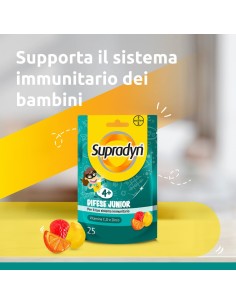
Supradyn Difese Junior, Kids' Immune Defence Supplement with Vitamin C, Vitamin D and...
BAYER SpA
940226335
€8.02
Supradyn Difese Junior, gummies for children's immune system, with vitamins C, D and zinc. Helps reduce tiredness and fatigue. Format: 25 gummies.


€14.35
ESI Immunilflor Lactoferrin, an immune system supplement with lactoferrin, echinacea, zinc and vitamin D. Useful for natural defences. Size: 20 naturcaps.
Vitamins for immune defences
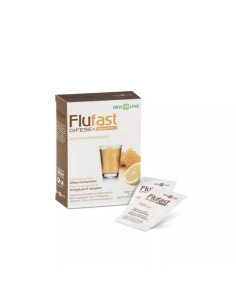
Apix Propoli Flufast Difese+ 20 Effervescent Sachets Biosline
Bios Line
940275276
€8.92
Flufast Difese+ is a supplement designed to support the immune system naturally, whose unique formula combines propolis, grapefruit seed, vitamin C, zinc and B vitamins, providing strong support for the body's defences.
Pack size: pack of 20 sachets.
Vitamins for immune defences
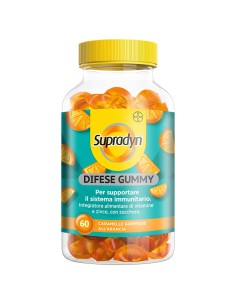
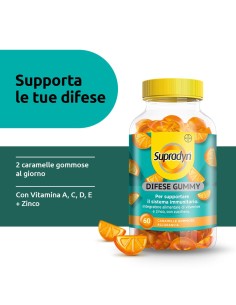
Supradyn Difese Gummy Immune Support Supplement, Vitamin C, Vitamin D and Zinc, 60 Gummies
Bayer
986042796
€10.51
Supradyn Difese Gummy, a vitamin and zinc supplement to support the immune system of adults and children. Format: 60 gummies.


Vitamins for immune defences
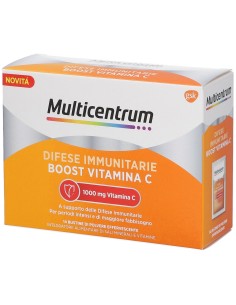
Multicentrum Immune Defence Boost Vitamin C 28 Sachets
HALEON ITALY Srl
982471839
€18.44
Multicentrum Difese Immunitarie Boost Vitamin C is an effervescent supplement formulated to support the immune system, rich in vitamins C, D and zinc, essential for health and general well-being, with vitamin B2 and manganese.
Format: pack of 28 sachets.

Vitamins for immune defences
Multicentrum Immune Defences Boost Vitamin C 14 Sachets
HALEON ITALY Srl
982471827
€12.71
Food supplement in sachets based on vitamin C, vitamin D and zinc, to support the immune defences. Pack of 14 sachets.

€17.08
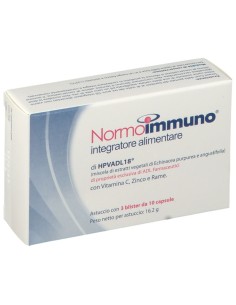
Normoimmuno, a supplement for the immune defences with Echinacea, Vitamin C, Zinc and Copper. Useful for supporting the immune system. Format: 30 capsules.

Last items in stock
€11.60
ESI Immunilflor, a supplement for the immune defences with Echinacea, Uncaria, Zinc and Vitamin C to support the body. Pack size: 30 capsules.

€38.09
Fermented papaya, produced through a long 10-month process, is a food with strong antioxidant properties widely consumed in Japan. Immun'Age papaya supplement helps counteract the formation of free radicals, which lead to oxidative stress and weaken the body's natural defences.Fermented papaya is:antioxidant useful for cardiovascular well-beingsupports...

€17.49
Frutdep immuno 20 vials is a fruit-based food supplement that helps support the immune system during the flu season. This immune supplement contains:apple pear mangoorange pineapple apricot blueberry elderberry grape banana Recommended for Adults: 1-2 vials a day, away from meals. For Children: 1 vial a day.
€18.22
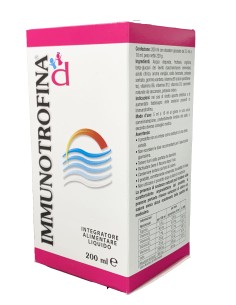
Immunotrofina D liquid, a supplement for the immune system with vitamins and beta-glucans to support the natural defences and reduce tiredness. Size: 200 ml bottle.
€5.22
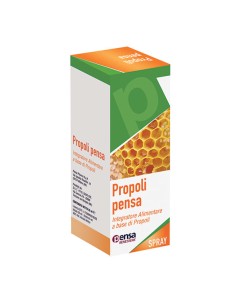
Propoli Pensa Spray 20ml, a supplement for throat well-being with propolis and rosehip extract, useful for the immune system. Pack size: 20ml spray.
Automatic selection based on product categories and features: for a tailored choice, ask the pharmacist.
What it is and how to recognise it
The immune system is the set of cells, organs and molecules that protects the body from viruses, bacteria and other external agents. When people commonly talk about "low defences", they are not referring to a disease, but to a phase in which the body seems to respond with more difficulty. Some signs often described are:
- frequent respiratory infections, such as repeated colds and sore throats;
- slow healing and long convalescence;
- persistent tiredness and low energy;
- recurrent cold sores;
- recurring minor bowel complaints.
It is normal, especially for children starting nursery, to have several infections during the winter: the immune system is "learning".
An important part of our defences is found in the gut, where the intestinal flora is in constant dialogue with immune cells. This is why periods of stress, antibiotic treatment or an erratic diet, which upset the intestinal balance, can coincide with a sense of greater vulnerability. Sport is also something to get right: regular exercise is an ally, while very intense and prolonged exertion without adequate recovery can temporarily tire the body.
The most common causes
Our defences can be affected by many factors, often linked to lifestyle:
- insufficient or poor-quality sleep;
- prolonged physical or mental stress;
- a diet low in fruit, vegetables and quality protein, or overly restrictive diets;
- vitamin and mineral deficiencies, particularly vitamin D, vitamin C, zinc and iron;
- a sedentary lifestyle, but also very intense training without recovery;
- smoking and excessive alcohol consumption;
- changes of season, older age, convalescence after an illness.
Remedies and practical tips
- Sleep regularly, aiming for 7-8 hours a night for adults.
- Every day, bring fruit and vegetables of different colours, pulses, wholegrains, fish and nuts to the table.
- Look after your gut: yoghurt and fermented foods contribute to the balance of the intestinal flora, which is closely linked to our defences.
- Take moderate, consistent physical activity, preferably outdoors.
- Expose yourself to the sun sensibly, to support vitamin D production.
- Manage stress with breaks, breathing exercises and activities that relax you.
- Wash your hands often and air your rooms.
- Follow the recommended vaccinations, after talking to your doctor.
What you can find at the pharmacy
At more delicate times, such as changes of season, there are various food supplements designed to support the body's defences:
- Vitamin C, vitamin D and zinc, which contribute to the normal function of the immune system.
- Plant extracts traditionally used in this area, such as echinacea, elderberry, cat's claw (uncaria), astragalus and rosehip.
- Lactoferrin, a protein naturally present in milk, often combined with vitamins and minerals.
- Propolis and royal jelly, bee products used as tonics.
- Probiotics, to support the balance of the intestinal flora.
- Beta-glucans and mushrooms such as reishi, found in various formulations.
- Specific formulations for children, in syrup or drops, with age-appropriate doses.
Food supplements are not a substitute for a varied, balanced diet and a healthy lifestyle. Respect the stated doses and ask for advice if you are undergoing treatment or have autoimmune conditions, for which some extracts are not suitable.
When choosing a supplement it is best to start from your own needs: people who eat little fruit and vegetables may opt for vitamins and minerals, those recovering from antibiotic treatment for probiotics, and those looking for support in the colder months for plant extracts. Read the label carefully to check doses and warnings, avoid combining several products with the same ingredients and remember that the benefits are assessed over time, with consistent use combined with good habits.
When to see a doctor
- Very frequent or severe infections, or infections that often require antibiotics.
- Marked tiredness lasting weeks, unexplained weight loss, a persistent low-grade fever.
- Long-standing swollen lymph nodes or night sweats.
- Children who are not growing well or fall ill unusually often.
- Pregnancy, breastfeeding, chronic illnesses or immunosuppressive treatment, before taking supplements.
Your doctor may consider blood tests to rule out deficiencies or other conditions.
Frequently asked questions
When is it best to start taking a supplement for the immune system?
People generally start before higher-risk periods, such as autumn or the change of season, following the courses indicated on the label.
Can echinacea be taken all year round?
It is usually used for limited periods of a few weeks. It is not suitable for people with autoimmune diseases or allergies to plants of the Asteraceae family.
Can children take supplements for the immune system?
There are products specifically formulated for children, but it is always best to consult your paediatrician first.
The information on this page is for general information purposes only and does not replace the advice of a doctor or pharmacist. Food supplements should not be used as a substitute for a varied, balanced diet and a healthy lifestyle. If symptoms persist or are severe, consult a healthcare professional.