
Shopping Cart


Dry and tired eyes: causes, remedies and tips for your eyesight
Burning, a gritty feeling in the eyes and tired vision after hours in front of a screen are increasingly common complaints. Dry eye often stems from daily habits and unfavourable environments, which you can do something about.
Read the full guide ↓Useful products for dry and tired eyes
Artificial tearsEye gelsEyelid hygieneEye health supplements
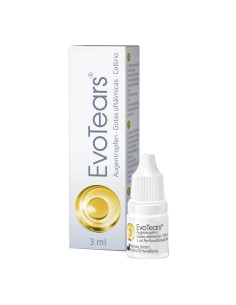
€18.87
EvoTears Eye Drops, water-free eye drops to lubricate dry eyes, stabilising the tear film. Size: 3 ml bottle.
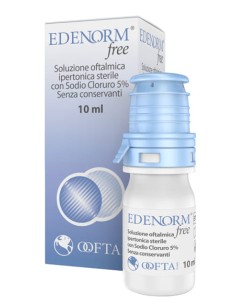
€15.07
Edenorm Free Eye Drops 10ml, a hypertonic ophthalmic solution for the treatment of ocular oedema. Useful for restoring osmotic balance. Size: 10 ml bottle.
Eye washes
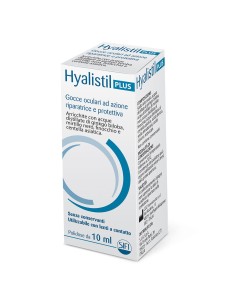
Hyalistil Plus Eye Drops Hyaluronic Acid 0.4% Distilled Water of Ginkgo Biloba +...
Sifi
971796875
€20.46
Hyalistil eye drops with 0.2% sodium hyaluronate are a valuable ally against dry eye, which causes excessive tearing and burning in the eye area.Hyalistil Plus eye drops are an ophthalmic solution with added distilled waters of Ginkgo Biloba, Bilberry, Fennel and Centella Asiatica in a multi-dose bottle, which:hydrate and lubricaterelieve burning, itching...

€3.26
Sanavita Collirio Plus 10ml, a lubricating ophthalmic solution with hyaluronic acid, for irritated eyes. Provides immediate relief. Format: 10 ml bottle.

Eye drops & solutions
Icross Eye Drops Ophthalmic Solution Cross-linked Hyaluronic Acid 0.2% 8 ml
OffHealth
926409638
€17.50
ICross Eye Drops, lubricating eye drops with cross-linked hyaluronic acid for the relief of eye discomfort and dryness. Format: 8 ml bottle.
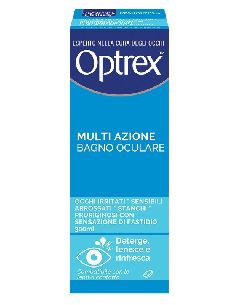
€14.94
Optrex multi action eye wash 300ml + flexible eye bath is a calming, soothing treatment for tired and irritated eyes. Optrex eye drops contain phosphoric acid, with moisturising and cleansing action, and are suitable in case of
eye strain from excessive use of electronic devices
foreign bodies in the eyes
smoke
use Optrex multi action eye wash every day...

€8.56
Euphralia Red Eyes, soothing and moisturising eye drops for red eyes, with hyaluronic acid, ideal for protecting the cornea. Pack size: 10 ml.
Eye drops
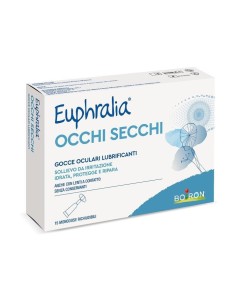
Euphralia Dry Eyes Lubricating Eye Drops 15 Resealable Single-Dose Vials x 0.5 ml
BOIRON Srl
984789863
€9.40
Euphralia Occhi Secchi (Dry Eyes), moisturising and lubricating ophthalmic solution for dry eyes and eye irritation. Format: 15 single-dose vials.
Eye drops & solutions
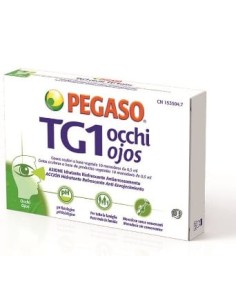
TG1 Occhi Eye Drops 10 Single-Dose Vials 0.5 ml
SCHWABE PHARMA ITALIA Srl
912275880
€10.56
TG1 Occhi, eye drops for irritated eyes that moisturise and refresh thanks to plant extracts. Ideal for redness and dryness. Pack size: 10 single-dose vials of 0.5 ml.
€13.66
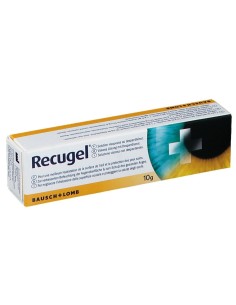
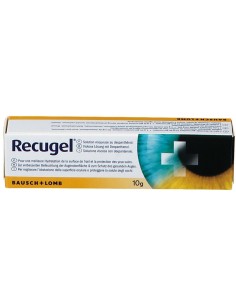
Recugel eye gel is a product based on Dexpanthenol used to protect the corneal epithelium from minor trauma, scratches and rubbing from foreign bodies. Recugel is a product that:Helps prevent irritation and lesionsProvides relief and long-lasting hydrationDoes not interfere with vision and is not greasy

€6.96
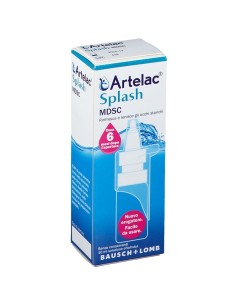
Artelac Splash multidose eye drops 10 ml bottle is an eye drop that helps dry eyes with a lubricating action thanks to hyaluronic acid. Artelac eye drops:provide quick relief;harness the moisturising action of hyaluronic acid, which nourishes and refreshes;improve comfort even when wearing contact lenses.Artelac eye drops come in a 10 ml bottle.
€16.47
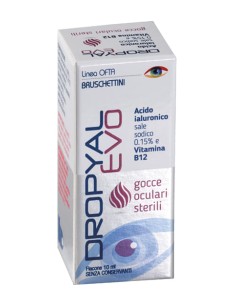
Dropyal Evo Eye Drops, eye drops with hyaluronic acid that moisturise and protect the eyes from environmental stress, ideal for contact lens wearers. Format: 10 ml.
Automatic selection based on product categories and features: for a tailored choice, ask the pharmacist.
What it is and how to recognise it
Dry eyes are caused by insufficient tear production or a poor-quality tear film that evaporates too quickly. Tears are not just for crying: with every blink they lubricate, nourish and protect the surface of the eye. The most frequent symptoms are:
- burning, itching and a foreign body or "gritty" sensation;
- redness, especially at the end of the day;
- blurred vision that improves when blinking;
- discomfort with light and draughts;
- paradoxically, excessive watering as a reaction to irritation;
- difficulty wearing contact lenses.
When headaches and difficulty focusing after hours of reading or computer use are added to these signs, it is called eye strain.
Dry eye tends to be more frequent with age and in women, but today it increasingly affects teenagers and young adults who spend many hours in front of screens. Symptoms often get worse during the day and in air-conditioned environments, and improve after a night's rest. Make-up applied to the inner rim of the eyelids can also obstruct the glands that produce the oily component of tears.
The most common causes
- Prolonged screen use: we blink much less in front of computers and smartphones.
- Environments with air conditioning, heating, wind or smoke.
- Contact lenses worn for many hours.
- Age and hormonal changes, particularly during the menopause.
- Inflammation of the eyelid margins (blepharitis) and dysfunction of the glands that produce the oily part of tears.
- Certain medicines and general illnesses, to be assessed with your doctor.
- Refractive surgery, in the period afterwards.
Remedies and practical tips
- Apply the 20-20-20 rule: every 20 minutes, look at something about 6 metres away for 20 seconds.
- Remember to blink often and fully when working at the computer.
- Position the screen slightly below eye level and adjust the brightness.
- Keep the air at home and in the office well humidified and avoid air blowing directly on your face.
- Drink enough and bring oily fish, nuts and seeds, sources of omega-3, to the table.
- Wear sunglasses in windy or bright environments.
- Look after eyelid hygiene with warm compresses and gentle cleansing, especially in the morning.
- Don't rub your eyes.
What you can find at the pharmacy
- Artificial tears and lubricating eye drops, often with hyaluronic acid, trehalose or carboxymethylcellulose: help moisturise and lubricate the surface of the eye. Preservative-free single-dose versions are preferable for frequent use.
- Eye gels, which are thicker, useful especially in the evening before sleeping.
- Eye drops compatible with contact lenses, to be chosen after checking the indications.
- Wipes, foams and gels for eyelid hygiene, suitable for reddened eyelid margins or crusts.
- Eye wash solutions, to refresh tired eyes.
- Eye health supplements with omega-3, lutein, zeaxanthin, bilberry or vitamin A, which contributes to the maintenance of normal vision.
Once opened, a multi-dose bottle should be used within the period stated on the pack. Food supplements are not a substitute for a varied, balanced diet and a healthy lifestyle.
To apply eye drops correctly, wash your hands, tilt your head back slightly, pull down the lower eyelid and let the drop fall into the small pocket that forms, without touching the eye with the nozzle. Then close your eyes for a few seconds. If you use several eye products, wait at least five minutes between one and the next, and remember that eye drops containing preservatives may not be suitable for contact lenses.
When to see a doctor
- Eye pain, sudden loss of vision or strong sensitivity to light.
- A very red eye, with thick discharge or swollen eyelids.
- Symptoms that do not improve after a few weeks of daily care.
- Dryness associated with a dry mouth and joint pain.
- Contact lens wearers with redness or pain: remove your lenses immediately.
- Children, pregnancy and people with glaucoma or other eye diseases.
An ophthalmologist can carry out specific tests on the quantity and quality of your tears.
Frequently asked questions
How many times a day can I use artificial tears?
Preservative-free ones can be used several times a day as needed; however, always follow the product directions.
Do blue light filter glasses help?
They may make vision more comfortable for some people, but taking breaks and blinking remain the most important advice.
Can dry eye be linked to the menopause?
Yes, hormonal changes can affect the production of the tear film. It is something to mention to your ophthalmologist.
The information on this page is for general information purposes only and does not replace the advice of a doctor or pharmacist. Food supplements should not be used as a substitute for a varied, balanced diet and a healthy lifestyle. If symptoms persist or are severe, consult a healthcare professional.