
Shopping Cart


Cellulite and water retention: causes, remedies and tips
Cellulite and water retention are cosmetic concerns that affect a great many women, of all ages and body types. It is not just a question of appearance: behind them there is often sluggish microcirculation and fluid build-up. With consistency, exercise and targeted treatments, visible improvements can be achieved.
Read the full guide ↓Useful products for cellulite and water retention
Draining supplementsAnti-cellulite creams and gelsMicrocirculation supplementsMud treatments and firming products

€16.02
Weleda Birch Cellulite Oil is an oil designed to treat the appearance of cellulite. Weleda anti-cellulite Oil is suitable for:moisturising the skingiving elasticity to the skinrestoring skin firmnessThe formula of Weleda Birch Oil is enriched with Birch, Butcher's Broom and Rosemary. The blend of these ingredients gives the skin freshness, leaving it...

€48.14
Guam Fanghi Alga Cellul Radic, seaweed mud to counteract cellulite that is deep-rooted and stubborn, improving skin tone thanks to Bioactivity extract. Size: 1 kg jar.

€13.74
KOS Bromelain 500 mg is a supplement with pineapple stem extract that supports digestion and the drainage of body fluids, helping to counteract the appearance of cellulite and promote healthy digestive function.
Size: blister pack with 60 tablets.
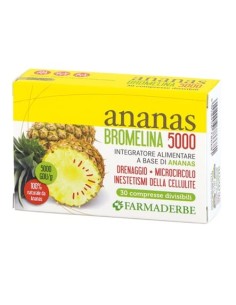
€11.74
Bromelain from pineapple stem 5,000 GDU/g in tablets: useful for supporting the drainage of body fluids and relieving the feeling of heavy legs.

Body firming
Somatoline Skin Expert Draining Slimming Bandages Starter Kit
Somatoline SkinExpert
983169665
€18.72
Somatoline SkinExpert draining slimming bandages with whole salt and magnesium sulphate, to drain fluids and reduce circumferences. Starter kit.

€17.23
Fitocentella 100 Veg Caps by Solgar, a supplement for microcirculation and memory. Helps counter the appearance of cellulite. Size: 100 vegetable capsules.

€6.50
Pancia Piatta Act Forte is a food supplement that contributes to the drainage of body fluids and helps with bloating and intestinal motilityPancia Piatta Act Forte contains:Green tea, for the drainage of body fluidsDandelionBurdockFennel, which helps eliminate gasPancia Piatta comes in a 500 ml bottle.
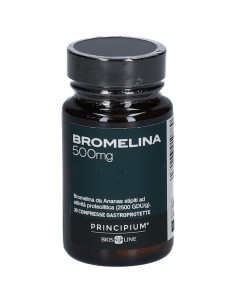
€16.39
Principium Bromelain is a food supplement with pineapple extract, standardised in bromelain, which supports digestive processes and fluid drainage. This bromelain supplement in tablets is useful because it:supports microcirculation function;helps counteract the appearance of cellulite;relieves the feeling of heavy legs.The pack contains a jar of 30 tablets.

€9.37
Centellase Vital Gambe Cream, a cosmetic cream-gel that brings relief to heavy legs thanks to natural active ingredients. Pack size: 75 ml tube.
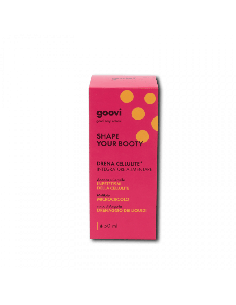
€15.57
Goovi Drena Cellulite is a food supplement based on Watermelon and Aronia with a mix of Centella, Pineapple and Sweet Clover extracts. Thanks to its active ingredients, this Goovi draining supplement is useful to:support microcirculation and fluid drainagevisibly reduce the effects of celluliteact against orange-peel skin


€36.04
Guam seaweed mud is a product based on seaweed extracts and minerals such as zinc, mannitol and sulphur. Applying Guam seaweed mud to the body helps to:Soften the look of cellulite imperfections Counteract the appearance of localised fat deposits Supporting skin tone and elasticityUsing this product helps improve the appearance of thighs and waist.
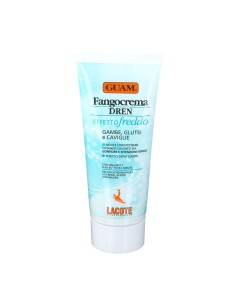

€25.89
Guam Fangocrema Dren Cooling Effect anti-cellulite cream, ideal for tired, swollen legs, helps counteract water retention. Pack size: 200 ml tube.
Automatic selection based on product categories and features: for a tailored choice, ask the pharmacist.
What it is and how to recognise it
Water retention is the build-up of fluid in the spaces between cells, especially in the lower part of the body. It shows up as swelling of the thighs, buttocks and ankles, a feeling of heaviness and skin that keeps the imprint when pressed.
Cellulite, technically known as oedematous fibrosclerotic panniculopathy, is a change in the subcutaneous tissue in which fluid build-up, slowed microcirculation and enlarged fat cells combine. It is recognisable by the classic "orange peel" appearance, visible when the skin is pinched or, in more advanced stages, even at rest, with small nodules and sometimes tenderness to the touch. It is not only linked to weight: it often appears in slim people too.
The two conditions are closely linked: fluid build-up compresses the small blood vessels, reduces tissue oxygenation and over time encourages the formation of the nodules typical of cellulite. Acting early, when swelling is the main component, generally gives the best results. Cellulite is found mainly on the thighs, buttocks, hips, knees and upper arms.
The most common causes
- Hormonal factors: oestrogens affect blood vessels and tissues, which is why the problem is much more common in women and varies with the menstrual cycle, pregnancy and the pill.
- Family and constitutional predisposition.
- A sedentary lifestyle and long hours sitting, which slow circulation and lymphatic drainage.
- A diet rich in salt, sugar and processed foods and low in fruit and vegetables.
- Too little water: drinking little does not reduce retained fluid, quite the opposite.
- Very tight clothes, high heels, smoking, stress and poor sleep.
Remedies and practical tips
- Drink water regularly throughout the day, preferably low-mineral waters.
- Reduce salt and foods high in it: cured meats, mature cheeses, stock cubes, snacks, ready meals.
- Eat foods rich in potassium and water, such as leafy vegetables, courgettes, fennel, cucumbers and seasonal fruit.
- Do regular aerobic exercise (brisk walking, cycling, swimming) combined with toning exercises for legs and buttocks.
- Practise self-massage from the bottom upwards, for example while applying creams.
- Alternate jets of lukewarm and cool water on your legs at the end of your shower.
- Limit alcohol and smoking and look after the quality of your sleep.
- Avoid trousers and underwear that are too tight and squeeze the groin and thighs.
- Include protein at every meal and cut down on sugar: this helps maintain muscle mass and limit fat build-up.
What you can find at the pharmacy
- Draining supplements based on plant extracts such as birch, mouse-ear hawkweed, horsetail, dandelion, pineapple (bromelain) and orthosiphon: they may support the drainage of body fluids. They should be taken with plenty of water and in courses of a few weeks.
- Microcirculation supplements with centella, red vine leaf, bilberry, sweet clover and horse chestnut, useful when water retention comes with a feeling of heavy legs.
- Anti-cellulite creams and gels with caffeine, escin, centella, seaweed or warming or cooling extracts: apply them with consistent massage once or twice a day for at least a few weeks.
- Cosmetic mud treatments and body wraps for intensive home treatments.
- Firming creams to improve skin tone and elasticity.
Results depend very much on consistency and on combining the products with diet and exercise. Food supplements are not a substitute for a varied, balanced diet; during pregnancy or breastfeeding, or if you are taking any medicines, ask your doctor or pharmacist first.
When to see a doctor
Medical advice is needed if:
- the swelling is sudden, marked or affects only one leg;
- water retention comes with shortness of breath, rapid weight gain or swelling of the face and hands;
- you have heart, kidney, liver or thyroid problems, or take diuretics or blood pressure medicines, before using draining products;
- areas with cellulite become painful, warm or red;
- you are pregnant and the swelling increases quickly.
Frequently asked questions
Does drinking more water really help with water retention?
Yes: good hydration helps eliminate excess fluid and sodium. Drinking little does not make you "retain less", quite the opposite.
Do anti-cellulite creams work?
They can improve the appearance of the skin, mainly thanks to massage and consistent use. The result is more noticeable when combined with exercise and a healthy diet.
Is cellulite only a problem for people who are overweight?
No, it also affects slim people, because it depends a great deal on hormones, circulation and predisposition.
The information on this page is for general information purposes only and does not replace the advice of a doctor or pharmacist. Food supplements should not be used as a substitute for a varied, balanced diet and a healthy lifestyle. If symptoms persist or are severe, consult a healthcare professional.