
Shopping Cart


Weight management: pharmacist's tips and remedies
Weight management is a goal that concerns health even before appearance: losing just a few kilos can benefit your heart, joints and metabolism. There are no miracle shortcuts, only a gradual, sustainable approach. Here is where to start and how the pharmacy can help.
Read the full guide ↓Useful products for weight management
Satiety fibresMetabolism supplementsMeal replacementsLow-calorie foodsDraining supplements
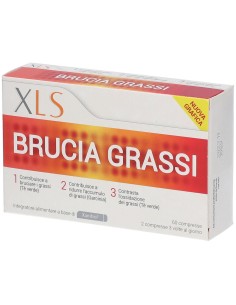
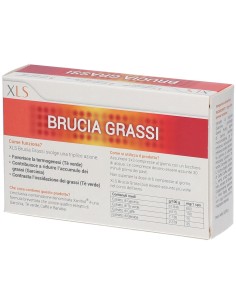
€14.18
Xls fat burner, a supplement that helps burn fat and reduce fat build-up, ideal for weight control. Pack size: 60 tablets.
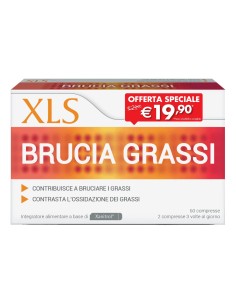
€13.17
XLS Fat Burner, a food supplement for weight control, with Xanitrol, which supports thermogenesis and fat metabolism. Pack size: 60 tablets.

€7.65
Glucomannan 50 capsules, a supplement for weight control. Useful for weight loss as part of a low-calorie diet. Pack size: 50 vegetable capsules.
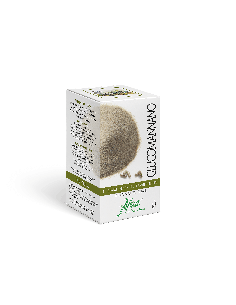

€17.63
Glucomannan Total Phytocomplex by Aboca, a supplement for body weight control. Size 50 capsules.


Appetite control
Colours of Life Garcinia Cambogia Plus 60 Tablets 1000 mg
Optima Naturals
925654345
€10.18
Garcinia Cambogia Plus is a food supplement that acts on metabolism and helps control body weight and hunger.Garcinia Cambogia Tablets are based on hydroxycitric acid, a key ally of cellular lipid metabolism.Garcinia Cambogia supports weight loss and may help counteract:high blood sugarhigh cholesterolhigh triglyceridesParticularly recommended in cases of...

€17.15
Longlife glucomannan, a slimming supplement that supports weight control and intestinal regularity. Suitable for vegetarians and vegans. Pack size: 100 vegetable capsules.

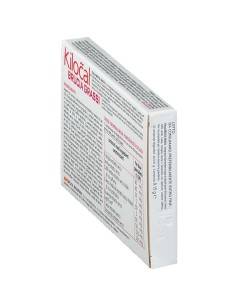
€13.94
Kilocal fat burner, a food supplement that stimulates lipid metabolism and supports body weight balance. Format: 15 tablets.

€14.69
Garcinia Cambogia is a food supplement that supports metabolism, body weight control and control of the feeling of hunger.Garcinia Cambogia tablets are based on hydroxycitric acid, a key ally of cellular lipid metabolism.ESI Garcinia Cambogia may help with weight control and support metabolic wellbeing in case of elevated:blood sugar levelscholesterol...

€7.88
Erba Vita Glucomannan, supplement for weight control and promoting a feeling of fullness. Size: 60 capsules.
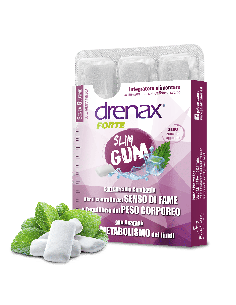
€1.62
Drenax slim gum, a food supplement for weight control with fucus and guarana that supports metabolism. Format: 9 chewing gums.

€10.37
Do you know what glucomannan is for? Glucomannan capsules by Erbex help as part of weight management, improving intestinal function. Glucomannan is commonly suggested:to help with constipation;to support weight loss (in both adults and children);in case of type 2 diabetes;to help keep blood sugar levels under control; to help reduce blood...
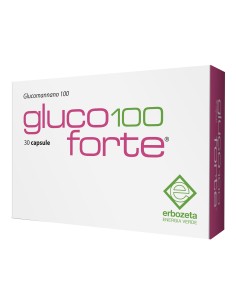
€12.97
Glucomannan Forte 100 30 Capsules of 900 mg is a product particularly useful for weight control, helping to promote a feeling of fullness. Thanks to its properties, Gluco 100:Contains no gluten or glucose;Helps promote a feeling of fullness;Is useful for weight control.Take 1-2 capsules a day. In case of severe obesity: 3 capsules a day.
Automatic selection based on product categories and features: for a tailored choice, ask the pharmacist.
What it is and how to recognise it
Body weight depends on the balance between the energy taken in with food and the energy used up. When, over a long period, you take in more than you use, the excess is stored as fat. To find out whether you are overweight, simple indicators are used: the body mass index, which relates weight to height, and above all waist circumference, because abdominal fat is the kind most closely linked to cardiovascular and metabolic risk.
Besides the number on the scales, signs such as shortness of breath with little effort, tiredness, back and knee pain, snoring or clothes becoming tight around the waist may indicate that it is time to take action.
The most common causes
- Large portions, energy-dense foods, sugary drinks and alcohol.
- A sedentary lifestyle: desk work, travelling by car, little movement in your free time.
- Irregular meals, constant snacking and "emotional" hunger linked to stress, boredom or tiredness.
- Insufficient sleep, which disrupts the hormones that regulate hunger and fullness.
- Hormonal changes, such as the menopause or thyroid problems.
- Giving up smoking, some medicines and genetic predisposition.
Remedies and practical tips
- Aim for gradual weight loss: half a kilo or a little more a week is a sustainable pace and easier to maintain.
- Build your plate like this: half vegetables, a quarter protein (pulses, fish, white meat, eggs), a quarter wholegrain cereals.
- Do not skip breakfast and keep regular mealtimes; eat slowly, away from screens.
- Cut out sugary drinks and reduce alcohol, which provides a lot of "invisible" calories.
- Move every day: at least 150 minutes a week of moderate activity, plus two strength sessions to preserve muscle.
- Increase your daily steps: stairs instead of the lift, short journeys on foot.
- Sleep 7-8 hours and find ways to manage stress without food.
- Be wary of drastic diets: they make you lose muscle and encourage the yo-yo effect.
What you can find at the pharmacy
Some products can accompany a calorie-controlled diet, but none will make you lose weight on its own:
- Satiety fibres such as glucomannan and psyllium: on contact with water they swell and contribute to a feeling of fullness. Take them before meals with one or two glasses of water.
- Metabolism supplements with green tea, caffeine, guarana, chromium or carnitine: they may support the metabolism of nutrients. People with high blood pressure, heart problems, anxiety or insomnia should be careful with stimulants.
- Draining supplements, useful when there is also fluid retention, without confusing water loss with fat loss.
- Meal replacements and low-calorie foods (bars, shakes, soups) to replace a meal in a balanced way when you are short of time.
- Protein powders for those who struggle to meet their protein needs.
- Herbal teas with fennel, dandelion or green tea, which help you drink more and replace sugary drinks.
A good approach is to choose one or two products targeted at your weak point (hunger between meals, water retention, lack of time) rather than combining many, and to assess their usefulness after a few weeks.
Food supplements are not a substitute for a varied, balanced diet and a healthy lifestyle. During pregnancy or breastfeeding, or if you have chronic conditions or take medicines, ask your doctor or pharmacist first.
When to see a doctor
- If your weight increases or decreases rapidly for no obvious reason.
- If your waist measurement is high and you also have high blood pressure, blood sugar or cholesterol.
- If you have already tried several times without success: a doctor or dietitian can set up a personalised plan.
- In case of heavy snoring, pauses in breathing during sleep or daytime sleepiness.
- If your relationship with food causes anxiety, guilt or binge eating.
- For teenagers, pregnant women and older people, before starting any diet.
Frequently asked questions
Do fat-burning supplements work?
They may give small support to metabolism, but without cutting calories and exercising they do not bring significant results.
Is it better to cut out carbohydrates?
It is not necessary: quantity and quality are what count. Wholegrain cereals in suitable portions fit well into a weight-loss plan.
How often should I weigh myself?
Once a week, at the same time and under the same conditions, is enough. Measuring your waist as well helps you track your progress.
The information on this page is for general information purposes only and does not replace the advice of a doctor or pharmacist. Food supplements should not be used as a substitute for a varied, balanced diet and a healthy lifestyle. If symptoms persist or are severe, consult a healthcare professional.