
Shopping Cart


High cholesterol: causes, remedies and pharmacist's advice
High cholesterol is a very common condition that often causes no symptoms and is only discovered through blood tests. Keeping it under control with diet, exercise and good habits is one of the most important things you can do for the health of your heart and arteries. Let's look at where the problem comes from and what you can do every day.
Read the full guide ↓Useful products for high cholesterol
Red yeast ricePlant sterolsBergamot and berberineOmega 3Soluble fibre

€21.35
Cardioritmon Colesterolo is a capsule supplement formulated to support normal cholesterol and triglyceride metabolism, thanks to fenugreek, and cardiovascular function, thanks to Berberis aristata DC.
Format: pack of 30 capsules.

€17.80
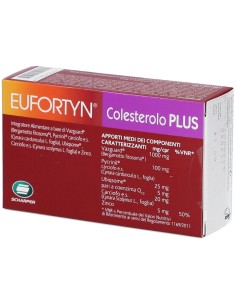
Eufortyn colesterolo plus 30 tablets is a food supplement useful for maintaining normal blood cholesterol levels. Eufortyn colesterolo plus is based on:Vazguard,Artichoke extractQ-TERZinc.Eufortyn supplement is naturally lactose-free and gluten-free.
€36.85
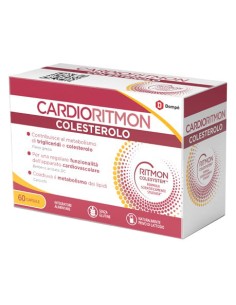
Food supplement in capsules based on fenugreek, berberis and phytosterols, helps regulate the metabolism of cholesterol and triglycerides. Pack of 60 capsules.

€19.96
Cardiolipid 10 Plus is a food supplement by Shedir Pharma formulated to help maintain normal blood cholesterol levels as part of a balanced diet and a healthy lifestyle.
Format: pack of 30 tablets.

Last items in stock
€30.99
Armolipid Plus is a supplement designed to help reduce and keep blood triglyceride and cholesterol levels under control, containing:
Folic Acid, supporting cardiovascular function;
Coenzyme Q10, an antioxidant for energy recovery;
Red yeast rice, to help control cholesterol.
Format: pack of 60 tablets.
Armolipid Plus is a supplement and should not be...

€11.74
Norsan Omega-3 Arktis, cod liver oil capsules rich in Omega-3 for heart and brain health. Format: 120 capsules.
Last items in stock
€23.05
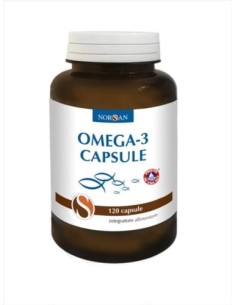
Omega-3 Capsules is a high-quality supplement providing a rich source of unsaturated fatty acids, including monounsaturated and polyunsaturated, essential to support general wellbeing, with added vitamin E for its antioxidant properties, for those looking for natural dietary support.
Format: jar of 120 capsules.
€9.72
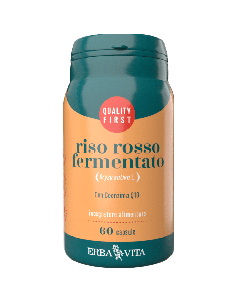
Fermented Red Yeast Rice by Erba Vita is a supplement formulated to help maintain normal blood cholesterol levels; its Monoplanta capsules contain monacolin K from fermented red yeast rice, coenzyme Q10 and inulin, providing synergistic support for cardiovascular health.
Size: jar of 60 capsules.

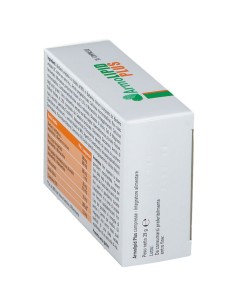
€21.40
Armolipid Plus, is a food supplement that supports cardiovascular well-being. What Armolipid plus is for: it helps control plasma cholesterol and triglyceride levels.Armolipid plus composition: natural extracts of red yeast rice, berberine.High cholesterol levels combined with high triglyceride levels increase the risk of:heart attackstrokeatherosclerosis

€16.70
ARMOLIPID is a cholesterol supplement with fermented red yeast rice, useful in helping to control blood lipids, cholesterol and triglyceride levelsWhat Armolipid contains:Berberis aristataFermented red yeast ricePolicosanolsFolic acidCoenzyme Q10Astaxanthin-rich oleoresin derived from the alga Haematococcus pluvialisWhen should Armolipid be taken? The...
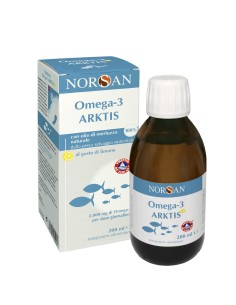
€14.14
Food supplement in oil form based on omega-3 from cod liver oil, with vitamins A, D and E. 200 ml bottle.
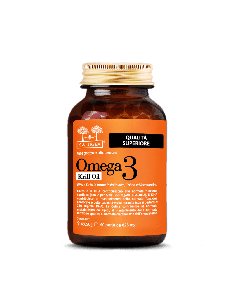

€36.47
Salugea Omega 3 Krill Oil, a krill oil supplement rich in EPA and DHA for normal heart, brain and vision function. Format: 60 softgels.
Automatic selection based on product categories and features: for a tailored choice, ask the pharmacist.
What it is and how to recognise it
Cholesterol is a fat the body cannot do without: it is used to build cell membranes and to produce hormones and vitamin D. It travels in the blood bound to transport proteins: LDL, often called "bad cholesterol" because in excess it tends to be deposited in the artery walls, and HDL, the "good cholesterol", which helps carry it back to the liver.
We speak of hypercholesterolaemia when total or LDL cholesterol levels exceed those recommended for your age and risk profile. The tricky part is that high cholesterol causes no obvious symptoms: it does not hurt, it does not make you tired, it gives no signals. That is why the only way to know your levels is a simple blood test with a lipid profile, to be repeated periodically as advised by your doctor.
The most common causes
About two thirds of the cholesterol in the blood is produced by the liver; the rest comes from food. This is why levels depend both on lifestyle and on your personal constitution:
- A diet rich in saturated fats (cured meats, mature cheeses, fatty meats, butter, industrial baked goods) and low in fibre.
- A sedentary lifestyle, which tends to lower HDL and encourages weight gain.
- Excess weight, especially with fat concentrated around the abdomen.
- Cigarette smoking, which worsens the lipid profile and damages blood vessels.
- Family history: there are inherited forms in which cholesterol is high even with a healthy lifestyle.
- Age and hormonal changes, such as the menopause, and some conditions such as hypothyroidism.
Remedies and practical tips
Lifestyle remains the first tool, and it often gives noticeable results within a few months:
- Eat vegetables, fruit, pulses and wholegrain cereals every day: soluble fibre (oats, barley, pulses) helps reduce cholesterol absorption.
- Choose extra virgin olive oil over butter and animal fats, and use it raw.
- Eat fish at least twice a week, preferably oily fish.
- Limit cured meats, fatty cheeses, fried foods, sweets and packaged snacks.
- A small handful of unsalted nuts makes a good snack.
- Exercise regularly: brisk walking, cycling or swimming for at least 30 minutes on most days.
- If you smoke, stopping is one of the most helpful things you can do for your heart and arteries.
- Read labels and limit hydrogenated fats and products high in saturated fat.
What you can find at the pharmacy
Alongside diet and exercise there are food supplements that can complement, not replace, a healthy lifestyle:
- Red yeast rice: contains monacolin K, which contributes to the maintenance of normal blood cholesterol levels. It should be used with care: it is not suitable during pregnancy or breastfeeding, with certain medicines or in case of liver or muscle problems, so it is best to discuss it first with your doctor or pharmacist.
- Plant sterols and stanols: substances similar to cholesterol that hinder its absorption in the gut, available in supplements or fortified foods.
- Fibres such as oat beta-glucans, psyllium and glucomannan, to be taken with plenty of water.
- Plant extracts such as bergamot, artichoke and berberine, found in many combined formulations.
- Omega 3 from fish or algae oil, which contribute to the normal function of the heart.
Always read the label, respect the recommended doses and remember that food supplements are not a substitute for a varied, balanced diet. If you already take cholesterol medicines, do not add anything without your doctor's advice.
When to see a doctor
Cholesterol should always be assessed together with your doctor, who will consider your overall cardiovascular risk (blood pressure, blood sugar, smoking, family history). See your doctor in particular if:
- your levels remain high despite a few months of diet and physical activity;
- there have been heart attacks or strokes at a young age in your family, or cases of very high cholesterol;
- you have diabetes, high blood pressure, kidney or thyroid disease;
- you are pregnant or breastfeeding and want to take food supplements;
- you experience chest pain, shortness of breath or leg pain when walking: in these cases prompt assessment is needed.
Frequently asked questions
How often should cholesterol be checked?
In healthy adults a check every few years is generally recommended; with high levels, other risk factors or ongoing treatment, checks become more frequent, as advised by your doctor.
Do eggs raise cholesterol?
For most people dietary cholesterol has less impact than saturated fat. Eggs can be part of a balanced diet, in moderate amounts and cooked without added fat.
Can red yeast rice be taken for a long time?
It depends on the person: it is best assessed with your doctor or pharmacist, with levels checked periodically, and stopped in case of muscle pain or unusual symptoms.
The information on this page is for general information purposes only and does not replace the advice of a doctor or pharmacist. Food supplements should not be used as a substitute for a varied, balanced diet and a healthy lifestyle. If symptoms persist or are severe, consult a healthcare professional.