
Shopping Cart


Swollen and heavy legs: causes, remedies and pharmacist's advice
The feeling of swollen, heavy legs, especially in the evening or in the warmer months, is very common and often linked to somewhat sluggish venous circulation. With a few everyday measures and the right products you can feel lighter again. Here is what you need to know and when it is worth looking into further.
Read the full guide ↓Useful products for swollen and heavy legs
Circulation supplementsGraduated compression stockingsRefreshing leg gelsRed vine leaf and centella extracts

€7.17
Vite Rossa Gambe is a food supplement that supports microcirculation and venous circulation and relieves the feeling of heavy legs. The red vine tablets contain:Red vine leaf dry extract Butcher's broom rhizome and root dry extract Witch hazel leaf dry extract Centella aerial parts dry extract DiosminDog rose hip dry extract
€8.93
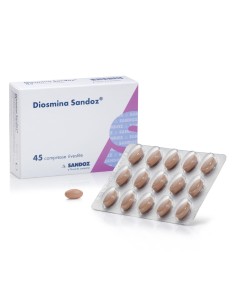
Diosmina Sandoz is a food supplement based on diosmin and hesperidin, which may be useful in cases of venous insufficiency and of haemorrhoidal discomfort, including after haemorrhoid surgery. Diosmin tablets contain a phlebotropic active ingredient, traditionally used to support the vascular structures of the blood vessels and to help with haemorrhoidal...


€14.56
Centella Complex Forte, a supplement for the microcirculation that is useful for swollen legs and heaviness. Useful for circulation. Pack size: 20 tablets.

€21.18
Aboca Ruscoven Plus is a food supplement based on butcher's broom, centella, red vine and witch hazel that supports microcirculation and helps with the feeling of heaviness. Ruscoven's indications include:helping to counteract heavy legssupporting everyday well-beingreducing the feeling of heaviness and swellingAs with other leg supplements, take 1...
€12.22
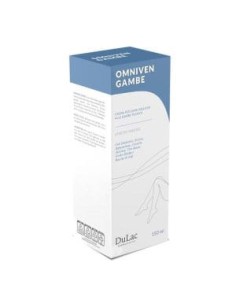
Omniven Gambe, relaxing and refreshing cream gel for heavy, tired legs, with diosmin and plant extracts. Ideal for those who suffer from swelling. Pack size: 150 ml.

€7.62
Centella asiatica supplement is a parapharmacy product based on:Centella extractMagnesium stearateMicronised silicaTaking this product supports microcirculation and supports the function of venous circulation, counteracting the feeling of heavy, swollen legs.Take 3 to 5 tablets of Centella asiatica supplement a day.

Compression stockings & leggings
Sauber 140 Denier Microfishnet Tights Black Size 2 Classic Line
ITALSILVA COMMERCIALE Srl
908925771
€15.85
Sauber 140 den graduated compression tights (18-22 mmHg) in black microfishnet knit, size II, durable and flexible with elastic toe. Medical device for everyday comfort of heavy legs.
€9.55
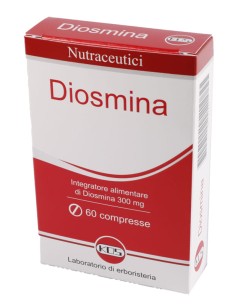
Diosmin 60 tablets is a food supplement ideal for those who suffer from heavy legs and venous insufficiency. Diosmin supplement Tablets contain a flavone glycoside belonging to the bioflavonoid group, ideal for this type of symptom. Also: It is not a substitute for a varied diet. Intake is indicated when there is an increased need for diosmin. Do not...
€17.76
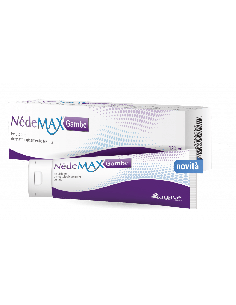
Nedemax Gambe Cream for dermo-functional treatment, ideal for reducing the feeling of heaviness. Provides freshness. Format: 120 ml tube.

€18.10
Ruscoven Plus Fluid Concentrate, a syrup for leg wellbeing and microcirculation function, thanks to Butcher's Broom, Ginkgo, Witch Hazel and Centella. Format: 200 g bottle.

€12.13
Venosid is a food supplement in prolonged-release tablets with diosmin, butcher's broom, hesperidin and centella asiatica. One tablet a day for adults: supports the function of the microcirculation, venous circulation and haemorrhoidal plexus.

€9.37
Centellase Vital Gambe Cream, a cosmetic cream-gel that brings relief to heavy legs thanks to natural active ingredients. Pack size: 75 ml tube.
Automatic selection based on product categories and features: for a tailored choice, ask the pharmacist.
What it is and how to recognise it
Blood in the legs has to travel back up to the heart against gravity. It manages this thanks to the valves in the veins and the "pump" of the calf muscles. When this system struggles, blood pools and fluids tend to pass into the tissues: this is the basis of so-called venous insufficiency.
The typical signs are:
- a feeling of heaviness, tiredness and tension in the legs, which gets worse at the end of the day;
- swollen ankles, with sock marks on the skin;
- tingling, night cramps, itching;
- visible thread veins and, in more advanced forms, varicose veins.
Symptoms generally improve with rest and with the legs raised, and get worse with heat and standing for long periods. They are often more pronounced in the days before a menstrual period, due to hormones that encourage fluid retention.
It is a complaint that tends to worsen slowly over the years if neglected: acting early with the right habits helps keep your veins healthy for longer.
The most common causes
- Jobs that require standing still or sitting for many hours.
- Heat: veins dilate and the return of blood slows down.
- A family predisposition to weak veins.
- Hormonal factors: pregnancy, periods, the contraceptive pill, menopause.
- Excess weight and a sedentary lifestyle.
- Clothes and shoes that are too tight, high heels every day.
- Long car or plane journeys.
Remedies and practical tips
- Walk every day: every step activates the calf muscle pump.
- If you work sitting or standing, change position often and do ankle flexion and extension exercises.
- In the evening, keep your legs raised for a few minutes and sleep with your feet slightly elevated.
- Finish your shower with a jet of cool water from the ankles upwards.
- Avoid direct sources of heat: saunas, very hot baths, prolonged sun exposure on the legs.
- Cut down on salt and drink enough; favour fruit and vegetables rich in flavonoids, such as berries and citrus fruit.
- Swimming, aqua gym and cycling are particularly beneficial activities.
- Choose comfortable clothes and shoes with a low, wide heel of around 3-4 centimetres.
- When travelling, get up every hour, drink water and move your feet often; on long flights consider preventive compression stockings.
What you can find at the pharmacy
- Graduated compression stockings: they apply greater pressure at the ankle, decreasing upwards, helping venous return. Preventive stockings can be used freely; those with higher compression should be chosen with your doctor. Put them on in the morning, while your legs are not yet swollen.
- Circulation supplements based on plant extracts such as red vine leaf, centella, horse chestnut, butcher's broom, bilberry and diosmin with hesperidin: they may support microcirculation and the drainage of fluids. They generally require continuous use for a few weeks.
- Refreshing leg gels and creams with a cooling effect, often containing menthol, escin or arnica: massage them from the ankle towards the thigh for an immediate feeling of freshness.
- Cooling leg sprays, handy when travelling or at work.
Food supplements are not a substitute for a varied, balanced diet and an active lifestyle; during pregnancy always ask your doctor first.
When to see a doctor
See your doctor if:
- the swelling affects only one leg, appears suddenly and comes with pain, warmth or redness in the calf: it may be a sign of thrombosis and requires urgent assessment;
- the swelling does not go down with a night's rest or rises above the ankles;
- you experience shortness of breath, marked tiredness or swelling in both legs and have heart or kidney problems;
- the skin around the ankles darkens or hardens, or small wounds appear that heal poorly;
- you are pregnant and the swelling increases rapidly, together with headache or visual disturbances.
Frequently asked questions
Can compression stockings be worn in summer too?
Yes, in fact they are especially useful in hot weather. There are light, sheer models; the important thing is to choose the correct size by measuring your ankle and calf.
How long does it take to see the effect of supplements?
A course of at least 4-8 weeks is generally recommended, ideally started before the hot season, always combined with exercise and good habits.
Is crossing your legs bad for circulation?
Staying in this position for a long time can hinder venous return. It is not dangerous in itself, but it is better to change posture often.
The information on this page is for general information purposes only and does not replace the advice of a doctor or pharmacist. Food supplements should not be used as a substitute for a varied, balanced diet and a healthy lifestyle. If symptoms persist or are severe, consult a healthcare professional.