
Shopping Cart


Haemorrhoids: causes, remedies and pharmacist's advice
Haemorrhoids are a very common complaint, yet people rarely talk about them out of embarrassment. Burning, itching and discomfort can make even the simplest activities difficult. With some everyday care and the right products it is possible to get relief and reduce the risk of the problem coming back.
Read the full guide ↓Useful products for haemorrhoids
Soothing creams and ointmentsSuppositories and micro-enemasMicrocirculation supplementsFibre for regularity

€12.11
A medical device, Omikron Conan is a proctological cream containing glycerine macerate, based on natural components, for proctological problems; the soothing-protective, lubricating and emollient action of its components is useful for relieving symptoms such as burning, itching, irritation and pain from rubbing in the perianal area associated with...
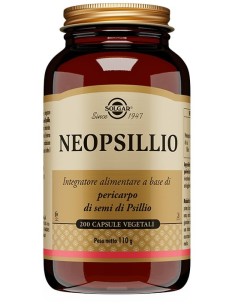
€19.95
Food supplement in vegetable capsules based on psyllium (Plantago ovata), useful for regular intestinal transit. Pack of 200 capsules.
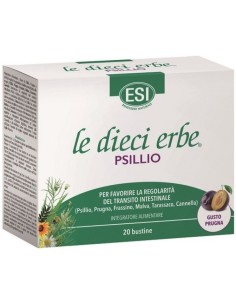
€8.50
Le Dieci Erbe Psillio is a supplement formulated with psyllium, prune and a blend of plant ingredients, ideal for supporting regular intestinal transit and digestive wellbeing; prune-flavoured and available in handy sachets, it contributes to normal stool volume and helps eliminate intestinal gas.
Format: pack of 20 sachets.

Medical devices
Dermovitamina Proctocare Haemorrhoids and Anal Fissures Cream 30 ml with Applicator
PASQUALI Srl
935204255
€9.37
Dermovitamina Proctocare Cream for haemorrhoids and anal fissures, with a protective, soothing and pain-relieving action. Ideal for the well-being of the anal area. Size: 30 ml.

€17.90
Rectal cream based on Plantago major, an emollient medical device indicated as an aid in cases of haemorrhoids and anal fissures. 30 g tube with applicator cannula.

€1.57
Food supplement in granules with senna, flax, dandelion and psyllium, useful to support intestinal transit. 35 g pack.

Remedies for dry hands & feet
Dermovitamina Ragadi Geloni Hand and Foot Cream 75 ml
PASQUALI Srl
935544522
€9.86
Dermovitamina Ragadi Geloni hand and foot cream helps prevent cracks and chilblains, protecting and moisturising the skin of hands and feet. Format: 75 ml tube.

€15.32
Natural point magnesio supremo bowel regularity 150g is a food supplement based on magnesium and plant fibres for intestinal wellbeing. The product contributes to bowel regularity, and alsocontains fennel, which helps eliminate gascontains psyllium, with soothing properties for the digestive systemhas a pleasant kiwi flavourtake 1-2 spoonfuls a day,...
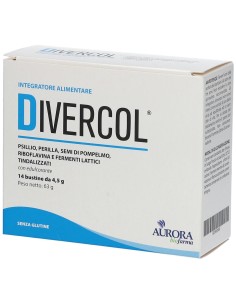

€18.04
Divercol 14 sachets 56 g is a food supplement useful for counteracting diverticular syndrome. Aurora Biofarma Divercol natural intestinal sachets contain:PsylliumPerillaGrapefruit seedsRiboflavinTyndallised lactic fermentsAmong supplements for diverticula, Divercol 14 sachets:Supports digestion and helps reduce acidityHelps stimulate bowel movementsHelps...
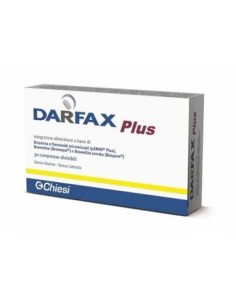
€25.05
Food supplement in tablets based on plant extracts, supporting microcirculation and well-being in case of haemorrhoids. Pack of 30 tablets.
€15.04
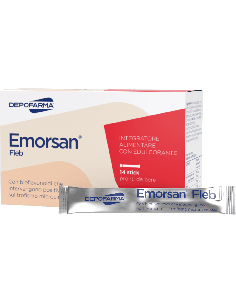
Emorsan Fleb 14 Stick Pack Sachets 15 ML is a supplement intended to help reduce discomfort and support recovery from haemorrhoids. Emorsan Fleb is recommended in case of haemorrhoidal disorders and helps improve venous tone, microcirculatory flow and lymphatic drainage. The product is enriched with:grapefruit extract;diosmin;quercetin.

€40.28
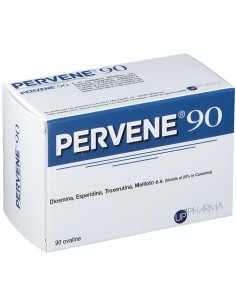
Pervene 90 ovaline tablets, a supplement for haemorrhoids and the microcirculation, with diosmin, hesperidin and melilot for venous circulation. Pack size: box of 90 ovaline tablets.
Automatic selection based on product categories and features: for a tailored choice, ask the pharmacist.
What it is and how to recognise it
Haemorrhoids are vascular structures normally present in the anal canal, which help with continence. We speak of haemorrhoidal disease when they become dilated, inflamed or slip outwards, causing discomfort. They can be internal or external.
The most common symptoms are:
- anal itching and burning, sometimes persistent;
- a feeling of heaviness or incomplete emptying;
- small amounts of bright red blood after a bowel movement, visible on the toilet paper;
- swelling or a small lump in the anal area;
- pain, which is more intense if a clot forms (thrombosed haemorrhoid).
The complaint tends to come in phases: quiet periods alternate with acute flare-ups, often triggered by constipation, long journeys or overindulgence at the table. Similar symptoms can, however, also be caused by fissures, small tears in the lining, or by other conditions: for this reason, when they first appear, it is best to see a doctor.
The most common causes
- Constipation and prolonged straining during bowel movements, the main factor.
- Frequent diarrhoea can also irritate the area.
- A diet low in fibre and not drinking enough water.
- Sitting for many hours, including on the toilet with a smartphone.
- Pregnancy and childbirth, due to increased abdominal pressure and hormonal changes.
- Lifting weights, excess weight and a predisposition to weak veins.
- Very spicy food and alcohol, which can make symptoms worse during acute phases.
Remedies and practical tips
- Gradually increase your fibre: vegetables, fruit, pulses, wholegrain cereals.
- Drink at least 1.5-2 litres of water a day to keep stools soft.
- Do not hold back the urge and do not sit on the toilet longer than necessary; avoid straining hard.
- After a bowel movement, wash the area with lukewarm water and a gentle cleanser, patting it dry.
- Use unscented wipes rather than rough toilet paper when you have discomfort.
- Sitz baths in lukewarm water for a few minutes can bring relief.
- During acute phases cut down on spicy food, alcohol and coffee; move every day to encourage regularity.
- A small stool under your feet when on the toilet helps you adopt a more natural position and strain less.
- If you work sitting down, get up often; a soft cushion can bring relief on the most uncomfortable days.
- Wear breathable cotton underwear and avoid trousers that are too tight.
What you can find at the pharmacy
- Soothing creams, ointments and gels for local use, often medical devices with substances that form a protective film, such as hyaluronic acid, aloe, witch hazel, calendula or zinc oxide: they help reduce itching and burning. Apply them to the clean area, also using the special applicator for internal use.
- Suppositories and soothing micro-enemas, for discomfort in the anal canal.
- Specific intimate cleansers and soothing wipes.
- Microcirculation supplements based on flavonoids such as diosmin and hesperidin, butcher's broom, centella or horse chestnut: they may support the tone of the vein walls.
- Fibre and stool softeners, such as psyllium or guar gum, useful for regulating the bowel and avoiding straining.
Follow the instructions in the leaflet and do not use topical products for long periods without advice. During pregnancy and breastfeeding always ask your doctor or pharmacist first.
When to see a doctor
Do not assume that every anal discomfort is due to haemorrhoids. See your doctor if:
- you notice blood in your stools for the first time, or dark blood or blood mixed with the stools;
- the bleeding is heavy or keeps happening;
- you are over 50 or have recent changes in bowel habits, weight loss or marked tiredness;
- the pain is very intense or a hard, purplish lump appears;
- symptoms do not improve after a week of local treatment;
- the complaint appears in a child.
Frequently asked questions
Do haemorrhoids go away on their own?
Mild flare-ups often resolve within a few days with a high-fibre diet, good hygiene and soothing products; if they keep recurring, however, it is best to have them assessed.
Can creams be used during pregnancy?
Some products allow it, others do not: ask your pharmacist or gynaecologist which to choose and always read the warnings on the label.
Does sport make haemorrhoids worse?
Moderate activity helps bowel regularity. During acute phases it is better to avoid weights, cycling and sports that increase pressure on the area.
The information on this page is for general information purposes only and does not replace the advice of a doctor or pharmacist. Food supplements should not be used as a substitute for a varied, balanced diet and a healthy lifestyle. If symptoms persist or are severe, consult a healthcare professional.