
Shopping Cart


High triglycerides: causes, remedies and pharmacist's advice
High triglycerides often reflect habits at the table: sugar, alcohol and large meals raise them quickly. The good news is that they respond well to lifestyle changes. Here is how to interpret them and what to do to bring them back into balance.
Read the full guide ↓Useful products for high triglycerides
Omega 3Krill oilLipid metabolism supplementsSatiety fibres
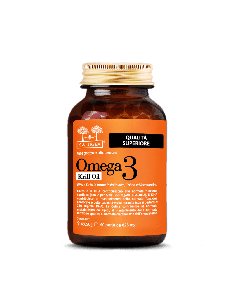

€36.47
Salugea Omega 3 Krill Oil, a krill oil supplement rich in EPA and DHA for normal heart, brain and vision function. Format: 60 softgels.


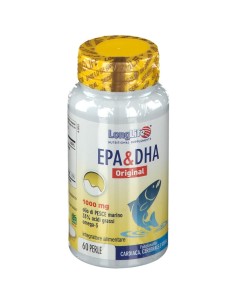
€18.01
Longlife EPA&DHA Gold, a supplement for heart function, vision and brain function. Useful for the heart and blood pressure. Format: 60 softgels.
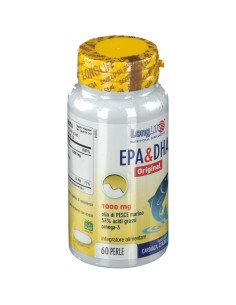
€14.48
Epa Dha is a food supplement useful for the heart and blood pressure control, based on marine fish oil and Vitamin E (DL-alpha tocopheryl acetate). It also contains a gelatine softgel and glycerol as a firming agent. Its benefits:contributes to normal heart function;helps maintain normal vision;supports normal brain function.Epa e Dha Long Life is...

€19.96
Cardiolipid 10 Plus is a food supplement by Shedir Pharma formulated to help maintain normal blood cholesterol levels as part of a balanced diet and a healthy lifestyle.
Format: pack of 30 tablets.

Last items in stock
€30.99
Armolipid Plus is a supplement designed to help reduce and keep blood triglyceride and cholesterol levels under control, containing:
Folic Acid, supporting cardiovascular function;
Coenzyme Q10, an antioxidant for energy recovery;
Red yeast rice, to help control cholesterol.
Format: pack of 60 tablets.
Armolipid Plus is a supplement and should not be...

€11.74
Norsan Omega-3 Arktis, cod liver oil capsules rich in Omega-3 for heart and brain health. Format: 120 capsules.

Last items in stock
€23.05
Omega-3 Capsules is a high-quality supplement providing a rich source of unsaturated fatty acids, including monounsaturated and polyunsaturated, essential to support general wellbeing, with added vitamin E for its antioxidant properties, for those looking for natural dietary support.
Format: jar of 120 capsules.

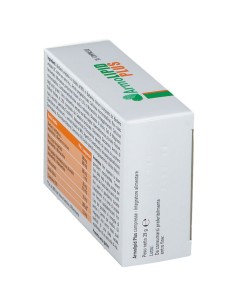
€21.40
Armolipid Plus, is a food supplement that supports cardiovascular well-being. What Armolipid plus is for: it helps control plasma cholesterol and triglyceride levels.Armolipid plus composition: natural extracts of red yeast rice, berberine.High cholesterol levels combined with high triglyceride levels increase the risk of:heart attackstrokeatherosclerosis

€16.70
ARMOLIPID is a cholesterol supplement with fermented red yeast rice, useful in helping to control blood lipids, cholesterol and triglyceride levelsWhat Armolipid contains:Berberis aristataFermented red yeast ricePolicosanolsFolic acidCoenzyme Q10Astaxanthin-rich oleoresin derived from the alga Haematococcus pluvialisWhen should Armolipid be taken? The...
€14.14
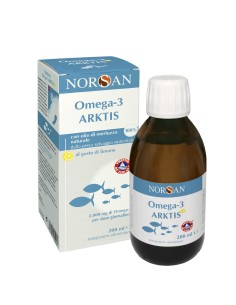
Food supplement in oil form based on omega-3 from cod liver oil, with vitamins A, D and E. 200 ml bottle.

€8.24
F&F Omega 3 Act 1G is a fish oil-based food supplement that contributes to normal heart, vision and brain function. F&F Omega 3 1G is formulated with:EPA, which supports heart function;DHA, which helps maintain normal vision and brain function;vitamin E, which contributes to the protection of cells from oxidative stress.
€9.32
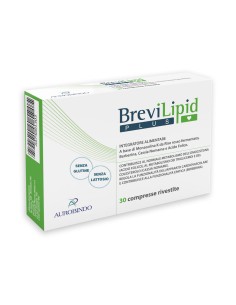
Aurobindo Brevilipid Plus 30 coated tablets is a food supplement formulated to maintain normal blood cholesterol levels. Brevilipid plus also regulates the function of the cardiovascular system and contributes to liver function. Aurobindo Pharma Italia contains:Monacolin K from red yeast riceBerberine Coenzyme Q10AstaxanthinFolic acid
Automatic selection based on product categories and features: for a tailored choice, ask the pharmacist.
What it is and how to recognise it
Triglycerides are the main form in which the body stores fat: they are an energy reserve that the body uses between meals. When their concentration in the blood exceeds the reference values, however, we speak of hypertriglyceridaemia, a condition that increases cardiovascular risk, especially when combined with high cholesterol, excess weight or high blood sugar.
As with cholesterol, high triglycerides cause no symptoms. They are detected with a fasting blood test: eating in the preceding hours can in fact distort the result. Only when levels are very high can symptoms appear, such as abdominal pain, which require prompt medical attention.
It is useful to read triglycerides together with the other values in the lipid profile: when they are high and HDL is low, especially with a large waist measurement and borderline blood sugar, the doctor may speak of metabolic syndrome, a cluster of factors that deserves attention. Even a single value slightly above normal, however, is a useful prompt to review your daily habits.
The most common causes
More than cholesterol, triglycerides are sensitive to what we eat and drink every day:
- Too many simple sugars: sweets, sugary drinks, fruit juices, and honey and jam in large amounts.
- Too many refined carbohydrates (white bread, non-wholegrain pasta and rice) in generous portions.
- Alcohol, even in amounts that seem moderate: it is one of the factors that raises them most.
- Excess weight, abdominal fat and a sedentary lifestyle.
- High blood sugar, diabetes and insulin resistance.
- Family predisposition, hypothyroidism and some medicines.
Remedies and practical tips
Small, consistent changes can reduce levels, sometimes markedly:
- Drastically cut down on sweets, sugary drinks and alcohol: this is often the most effective step.
- Choose wholegrain cereals and always pair carbohydrates with vegetables and protein to slow their absorption.
- Eat oily fish (mackerel, sardines, anchovies, salmon) two or three times a week.
- Limit very sugary fruit and juices: whole fruit in reasonable portions is better.
- Avoid very large evening meals and constant snacking.
- Do regular aerobic exercise: working muscles burn triglycerides as fuel.
- If you are overweight, even modest weight loss can noticeably improve the picture.
- Be careful with "light" or fat-free foods: they often make up for it with added sugar. Reading labels helps you make informed choices.
- Cook with simple methods (steaming, baking, grilling) and use extra virgin olive oil raw and in moderation.
After two or three months of consistent changes it is useful to repeat the tests: seeing your values improve is also great motivation to keep going.
What you can find at the pharmacy
Some food supplements can provide support as part of a lifestyle programme:
- Omega 3 (EPA and DHA) from fish, krill or algae oil: at adequate doses they contribute to the maintenance of normal blood triglyceride levels. Choose products that clearly state their EPA and DHA content and take them with meals.
- Combined formulations for lipid metabolism, which combine plant extracts such as bergamot, artichoke or berberine.
- Fibres such as glucomannan, psyllium and beta-glucans, which increase the feeling of fullness and slow the absorption of sugars and fats.
- Extracts that support liver function, such as artichoke and milk thistle, often found in "detox" products.
High-dose omega 3 can interfere with anticoagulant or antiplatelet medicines: in these cases always ask your doctor first. Food supplements are not a substitute for a varied, balanced diet.
When to see a doctor
Talk to your doctor if:
- your levels are very high or do not come down after a few months of dietary changes;
- you also have high cholesterol, high blood sugar, high blood pressure or a large waist measurement;
- you experience intense abdominal pain, especially after meals: it may be a sign of a pancreas problem and needs to be assessed immediately;
- you are pregnant, taking anticoagulants or other long-term treatments and want to use food supplements.
Frequently asked questions
Do you need to fast to measure triglycerides?
Yes, a fast of about 10-12 hours is generally recommended, and alcohol should be avoided the day before, because a recent meal can temporarily increase the value.
Does fruit raise triglycerides?
Not in normal portions; the problem arises with large amounts, very sugary fruit or juices. Two to three portions of whole fruit a day are generally fine.
Is fish oil or algae omega 3 better?
Both provide EPA and DHA. Algae are a suitable choice for those on a plant-based diet or who do not tolerate fish; what matters most is the actual amount of EPA and DHA per dose.
The information on this page is for general information purposes only and does not replace the advice of a doctor or pharmacist. Food supplements should not be used as a substitute for a varied, balanced diet and a healthy lifestyle. If symptoms persist or are severe, consult a healthcare professional.