
Shopping Cart


High blood sugar: causes, remedies and pharmacist's advice
High blood sugar means that the level of sugar in the blood is above normal, and it is a sign not to be underestimated. It is often linked to lifestyle and weight, and acting early can make a big difference. Let's look at how to recognise it, how to measure it and which habits help keep it under control.
Read the full guide ↓Useful products for high blood sugar
Blood glucose meters and stripsGlucose metabolism supplementsLow glycaemic index foodsFibre
Blood glucose meters
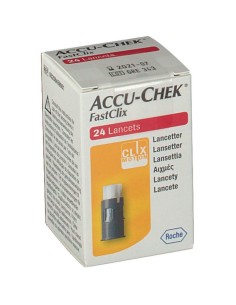
Accu-Chek Fastclix Finger-Prick Lancets 24 Pieces
ROCHE DIABETES CARE ITALY SpA
939135733
€1.85
Accu-Chek Fastclix, lancets for blood glucose testing, with Clixmotion technology for gentle, fast sampling. Size: 24 lancets.
Blood glucose meters
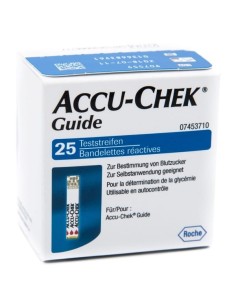
Accu-Chek Guide Blood Glucose Test Strips 25 Pieces Retail Pack
ROCHE DIABETES CARE ITALY SpA
938807664
€12.44
Accu-Chek Guide Strips for blood glucose measurement, providing accurate results with easy sample application. Pack size: 25 strips.
Blood glucose meters
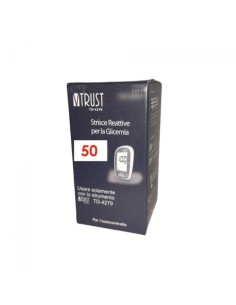
Vtrust TD-4279 Blood Glucose Test Strips 50 Pieces
Biochemical System Intern.
982464859
€18.65
VTRUST TD-4279 are precision test strips for measuring blood glucose at home. They are essential for daily monitoring for people with diabetes and ensure accurate, reliable determination of glucose levels in fresh whole blood taken from the fingertip.
Size: pack containing 50 single-use test strips.
€11.91
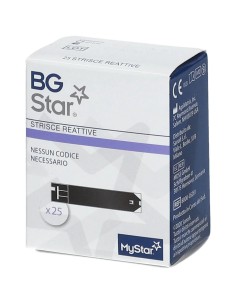
Test strips for self-monitoring of blood glucose in fresh capillary whole blood, compatible with BGStar, iBGStar and MyStar meters. They contain the enzyme glucose oxidase and give a quantitative result in a few seconds. Pack of 25 pieces.

Blood glucose meters
Vtrust TD-4279 Blood Glucose Test Strips 25 Pieces
Biochemical System Intern.
982464834
€8.92
Test strips for blood glucose measurement, single-use for in vitro diagnostic use, compatible with the VTRUST TD-4279 system. Pack of 25 strips.

Blood glucose meters
OneTouch Select Plus Blood Glucose Test Strips 25 Strips
LIFESCAN ITALY Srl
926562861
€10.80
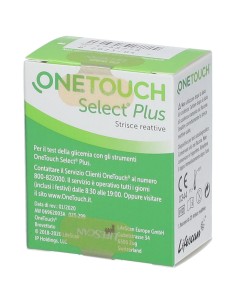
OneTouch Select Plus strips for measuring blood glucose, giving accurate results in 5 seconds from a small blood sample. Format: 25 strips.

€24.33
Test strips for blood glucose self-monitoring with BGStar, iBGStar and MyStar meters: they require a blood sample of just 0.5 microlitres, which can be taken from the fingertips, palm or forearm. Useful for people living with diabetes. 50 pieces.
Blood glucose meters
Ogcare Blood Glucose Test Strips 25 Pieces
Biochemical System Intern.
924523525
€8.22
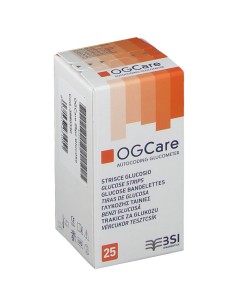
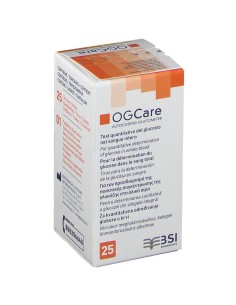
OGCARE Blood Glucose 25 strips for monitoring blood glucose, for use with the OGCare device. Pack size: 25 pieces.

€10.26
Test strips for measuring blood glucose with CareSens meters, for fast and accurate glucose self-monitoring. 25 pieces.
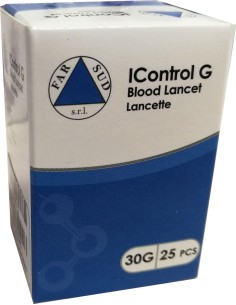
€0.73
Icontrol G finger-prick lancets by Farsud Farmaceutici are single-use, sterile devices, ideal for capillary blood sampling by finger prick. Thanks to their safe and practical design, they are also suitable for personal use for blood glucose self-monitoring and other tests requiring small amounts of blood.
Pack size: pack of 25 single-use lancets.

€10.13
Wellion Leonardo test strips for blood glucose measurement, in a pack of 25. Compatible with Wellion Leonardo meters for home self-monitoring.
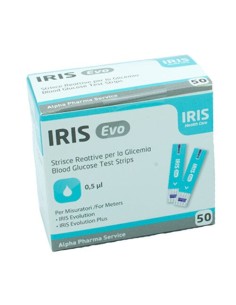
€16.29
Irix Viva test strips are used for self-monitoring of blood glucose in capillary blood, both at home and in professional settings. Designed for people living with diabetes. Pack of 50 strips.
Automatic selection based on product categories and features: for a tailored choice, ask the pharmacist.
What it is and how to recognise it
Blood sugar (glycaemia) is the amount of glucose in the blood. It rises after meals, then the insulin produced by the pancreas allows cells to use the sugar and levels return to a stable range. When this mechanism does not work properly, because there is too little insulin or the cells respond less well (insulin resistance), blood sugar stays high.
We speak of hyperglycaemia when fasting or post-meal levels exceed the reference limits. There is an intermediate phase, known as prediabetes or impaired fasting glucose, in which levels are above normal but not yet in the diabetes range: this is the ideal time to take action.
There are often no symptoms. When blood sugar is very high, intense thirst, frequent need to urinate, tiredness, blurred vision, recurrent infections and slow-healing wounds may appear.
The most common causes
- Excess weight, particularly abdominal fat.
- A sedentary lifestyle.
- A diet rich in simple sugars, refined flours and sweet drinks.
- A family history of type 2 diabetes.
- Age, pregnancy (gestational diabetes) and polycystic ovary syndrome.
- Stress, poor sleep, some illnesses and some medicines, such as corticosteroids.
Remedies and practical tips
- Choose low glycaemic index carbohydrates: wholegrain cereals, pulses, pasta cooked al dente.
- Always pair carbohydrates with vegetables, protein and a drizzle of oil: they slow the absorption of sugars.
- Cut out sugary drinks and juices; limit sweets and very ripe or dried fruit.
- Spread your food over 3 main meals and 1-2 snacks, avoiding large binges.
- A 15-20 minute walk after meals helps muscles use glucose.
- Do regular physical activity, both aerobic and strength training.
- Losing even a small part of your weight, if you are overweight, can improve insulin sensitivity.
- Do not smoke and look after your sleep.
- Make water your main drink and be careful with "sugar-free" foods, which may still contain a lot of carbohydrates.
- Check your feet every day if your levels have been high for some time: dry skin, small wounds or calluses should be treated straight away.
Keeping a small diary of meals, activity and, if advised, measurements helps you understand which habits affect your levels most and makes discussions with your doctor more useful.
What you can find at the pharmacy
- Blood glucose meters with test strips and lancing devices: they allow you to check your levels at home, if recommended by your doctor. It is important to learn to use them correctly, washing your hands before measuring and noting down the results.
- Supplements supporting glucose metabolism with chromium, which contributes to the maintenance of normal blood glucose levels, and plant extracts such as berberine, gymnema, cinnamon, white mulberry or inositol.
- Fibres such as glucomannan, psyllium and beta-glucans, which contribute to reducing the rise in blood sugar after meals.
- Low glycaemic index foods, foods with no added sugar or low-sugar foods, and alternative sweeteners.
- Specific moisturising creams for dry, delicate feet, to be used every day when blood sugar needs to be kept under control.
Food supplements are not a substitute for a varied, balanced diet or for prescribed treatments. Anyone taking diabetes medicines should talk to their doctor before adding supplements, to avoid excessive drops in blood sugar.
When to see a doctor
- If a test shows high blood sugar, even just once: further checks are needed to understand the situation.
- If you have intense thirst, pass a lot of urine, lose weight for no reason or feel very tired.
- If there are cases of diabetes in your family and you have not had a check-up for some time.
- During pregnancy, when blood sugar should always be monitored as advised by your gynaecologist.
- With very high levels accompanied by nausea, vomiting, laboured breathing or confusion: in this case seek emergency help immediately.
- If you notice tingling in your feet, wounds that do not heal or visual disturbances.
Frequently asked questions
Does high blood sugar mean having diabetes?
Not necessarily: a single reading can be influenced by many factors. The diagnosis is made by a doctor, who assesses several tests, such as fasting blood glucose and glycated haemoglobin (HbA1c).
Should people with high blood sugar give up fruit?
No, whole fruit remains useful for its fibre and vitamins. It is best eaten in moderate portions, preferably at the end of a meal or together with nuts.
Is a home glucose meter reliable?
It is a useful monitoring tool, but it does not replace laboratory tests. Check the expiry date of the strips and follow the instructions for correct measurement.
The information on this page is for general information purposes only and does not replace the advice of a doctor or pharmacist. Food supplements should not be used as a substitute for a varied, balanced diet and a healthy lifestyle. If symptoms persist or are severe, consult a healthcare professional.