
Shopping Cart


Cold sores: causes, remedies and pharmacist's advice
A cold sore announces itself with a tingling on the edge of the lip, followed by small blisters that burn and are uncomfortable. It is very common and tends to come back: recognising it early and managing it with the right care helps limit how long it lasts and the risk of passing it on.
Read the full guide ↓Useful products for cold sores
Cold sore gels and patchesProtective lip sticksLip balm with SPFLysine supplements

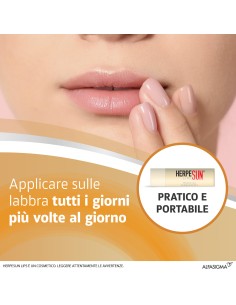
€7.45
Lip stick with SPF 20 and UVA protection: creates an emollient, soothing film that helps keep lips soft by counteracting dryness. Dermatologically tested.
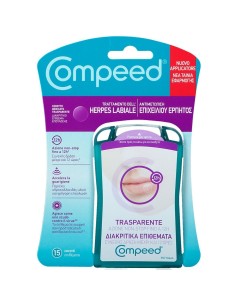
€12.08
Compeed cold sore patches for the treatment of cold sores; they speed up healing and reduce the risk of transmission. Pack size: 15 patches.
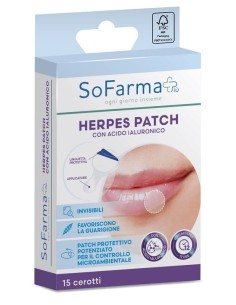
€4.63
Invisible patches with hyaluronic acid for cold sores, protect and support skin repair. Pack of 15 pieces.
€18.10
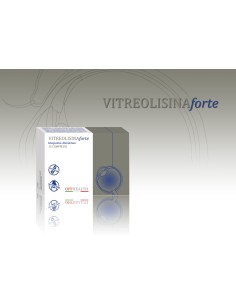
Vitreolisina Forte 30 tablets is a food supplement for the eyes, formulated to provide an antioxidant action. Offhealth Vitreolisina Forte at a discounted price:Supports visual wellbeingHelps keep tissues hydrated and lubricatedSupports fluid drainageHas antioxidant propertiesSupports microcirculation function
€14.57
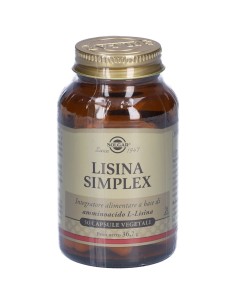
Lisina Simplex supplement supports the intake of L-Lysine, an essential amino acid for the body. Useful in case of increased requirements. Format: 50 vegetable capsules.

€20.44
Food supplement in sachets with vitamins C and E, zinc and selenium, useful for the maintenance of normal vision and protection from oxidative stress. Pack of 30 sachets.

€8.69
Cerulisina Fast is a nose and ear spray based on isotonic sea water, with a gentle mist spray for the daily cleansing of the nasal cavities and the external ear canal of adults and children. 100 ml bottle.

€17.62
Vitreolisina Idro food supplement supports well-being thanks to potassium, magnesium and vitamin C, useful for the nervous system. Pack size: 20 sachets.

€7.11
Keratoplastica Lips 10 G is a lip cream with beta-carotene and propolis that helps keep the skin of the lips and the area around the nose soft and elastic. Keratoplastica has a repairing action and is indicated whenever skin elasticity needs to be normalised or restored following skin deterioration, such as:flaking skin;dry, chapped lips.

€3.89
PL3 lip balm is a pharmacy product based on calendula and other plant extracts. PL3 lip balm for cold sores is particularly useful to:Protect chapped lips Soothe the burning and itching associated with cold sores Support the re-epithelialisation of tissues This product can be applied several times a day
€3.21
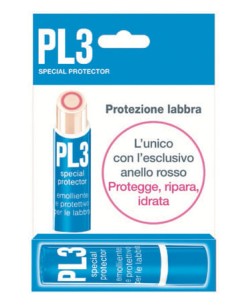
PL3 Special Protector is a stick for dry, chapped lips, formulated to provide an emollient and protective action that intensely hydrates the lips. It contains UV filters, gives immediate relief and helps prevent and repair chapping.
Size: 5 g stick.
Last items in stock
€19.38
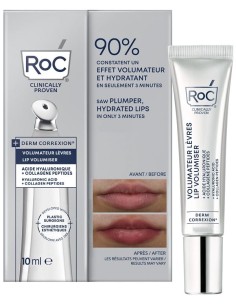
Volumising lip treatment with hyaluronic acid and pro-collagen peptides, to boost lip volume and hydration. 10 ml pack.
Automatic selection based on product categories and features: for a tailored choice, ask the pharmacist.
What it is and how to recognise it
A cold sore (herpes labialis), commonly called a "fever blister", is an infection caused by the herpes simplex virus type 1. After first contact, which often happens in childhood and may go unnoticed, the virus remains dormant in the nerve endings and can reawaken periodically.
An episode almost always follows the same stages: first a tingling, itching or burning in a specific spot on the lip; over the following hours a cluster of small fluid-filled blisters appears on a reddened base. The blisters then burst, forming a small moist sore and finally a little scab that falls off on its own. The whole thing usually clears up within one or two weeks without leaving scars.
A cold sore should not be confused with mouth ulcers, which are small whitish sores inside the mouth, on the cheeks or tongue, and are not contagious. Nor with simple chapping or irritation at the corners of the mouth, known as angular cheilitis, which appear as small cracks without blisters. The distinctive sign of a cold sore is the cluster of blisters preceded by tingling, which tends to come back more or less in the same spot on the lip.
The most common causes
The cause is the virus, but recurrences are usually triggered by factors that temporarily lower local or general defences:
- Fever, colds and flu.
- Intense sun exposure, including in the mountains.
- Physical or emotional stress, tiredness, lack of sleep.
- The menstrual cycle and other hormonal changes.
- Cold and wind, very dry or chapped lips.
- Minor trauma to the lip, for example dental treatment.
It is passed on through direct contact with the blisters or with saliva: kisses, shared crockery, towels and lipsticks.
Remedies and practical tips
- Act at the very first tingle: this is the stage when topical products work best.
- Do not touch, scratch or squeeze the blisters and do not pick off the scab.
- Wash your hands often, especially after applying a product, and do not then touch your eyes.
- Do not share glasses, cutlery, towels, razors or lip cosmetics.
- Avoid kissing and close contact until the sore has healed, especially with newborns, pregnant women and vulnerable people.
- Throw away the lip balm used during the episode so you do not reinfect yourself.
- Protect your lips from the sun with a high-protection stick if you know sun triggers your recurrences.
- Look after rest and diet: a body in good shape defends itself better.
What you can find at the pharmacy
- Cold sore gels and creams classified as medical devices, which create a barrier over the sore, protecting it from rubbing and external agents; some contain soothing ingredients such as zinc or plant extracts.
- Cold sore patches: small transparent patches that isolate the blister, make it less visible, can be covered with make-up and help limit the risk of transmission.
- Repairing lip sticks and balms, useful during the scab stage to stop it cracking and bleeding.
- Lip balm with high SPF, to prevent sun-related recurrences.
- Supplements based on lysine, zinc, vitamin C or extracts such as echinacea: zinc and vitamin C contribute to the normal function of the immune system, a support that does not replace the other measures.
To use, apply the product with a cotton bud or with thoroughly clean hands, following the instructions on the packaging. If recurrences are frequent, the pharmacist or doctor can recommend specific solutions.
When to see a doctor
See a doctor if the cold sore does not improve after ten days, if the sores are very extensive or spread to other areas of the face, if high fever or swollen, painful lymph nodes appear, and above all if it affects the eye (pain, redness, sensitivity to light), a situation that requires an urgent visit. You should also consult a doctor in case of very frequent recurrences, during pregnancy, for newborns and young children, and for people with widespread eczema or a weakened immune system.
Frequently asked questions
Can cold sores be got rid of for good?
No, the virus remains dormant in the body. However, you can reduce the triggers and manage each episode better.
Can you cover a cold sore with make-up?
It is best not to apply make-up directly onto an open sore; transparent patches, on the other hand, allow you to cover it more hygienically.
When does it stop being contagious?
The risk is highest when there are blisters and drops considerably once the sore has completely healed and the scab has fallen off.
The information on this page is for general information purposes only and does not replace the advice of a doctor or pharmacist. Food supplements should not be used as a substitute for a varied, balanced diet and a healthy lifestyle. If symptoms persist or are severe, consult a healthcare professional.