
Shopping Cart


Wrinkles and skin ageing: anti-ageing remedies and advice
Wrinkles are the natural sign of time, but sun, smoking and lifestyle can bring them on earlier and make them deeper. A consistent anti-ageing routine, starting with sun protection, helps the skin stay firmer and more radiant.
Read the full guide ↓Useful products for wrinkles and skin ageing
Day and night anti-wrinkle creamsAnti-ageing serumsEye contourFacial sun protectionCollagen supplements

Anti-wrinkle face serums
Rilastil Hydrotenseur Anti-wrinkle Lifting Ampoules 7 x 1 ml
Rilastil
982754830
€15.45
Rilastil Hydrotenseur 7 Anti-wrinkle Lifting Ampoules, an anti-wrinkle treatment with an immediate lifting effect. Ideal for smoothing wrinkles. Size: 7 ampoules of 1 ml.
Anti-wrinkle face serums
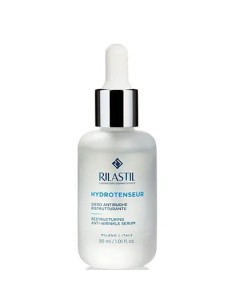
Rilastil Hydrotenseur Restructuring Anti-Wrinkle Serum 30 ml
Rilastil
982754842
€25.25
Rilastil Hydrotenseur Anti-Wrinkle Serum, an intensive restructuring anti-wrinkle serum with hyaluronic acid, to improve elasticity and smooth the skin. Format 30 ml.

Anti-wrinkle face serums
Rilastil Progression Anti-Wrinkle Elasticising Serum 30 ml
Rilastil
984852828
€26.08
Rilastil Progression Anti-Wrinkle Serum, an elasticising and filling serum for all skin types. Counteracts the signs of ageing and revives a dull complexion. Pack size: 30 ml
Anti-wrinkle eye contour
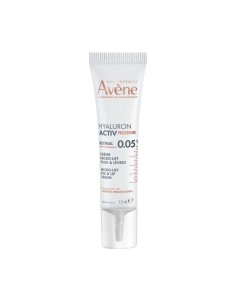
Eau Thermale Avène Hyaluron Activ Procedure Micro Lift Lip & Eye Cream, Eye Lifting...
Avène
950836647
€38.47
Avène Micro-Lift Cream with 0.05% retinaldehyde, niacinamide and hyaluronic acid: an anti-ageing treatment for the eye and lip contour, with a precision tip. 15 ml.

€27.75
Rilastil Progression Rich Cream, an anti-wrinkle, filling and plumping cream for sensitive skin that counteracts the signs of ageing. Format: 40 ml tube.
Anti-wrinkle face serums
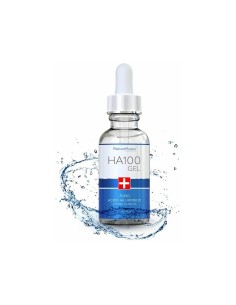
HA100 Hyaluronic Acid 100% Anti-Ageing Moisturising Serum 30 ml
E. F. A. S.
973474149
€12.89
HA100 Hyaluronic Acid 100% is a moisturising gel that fights free radicals and gives elasticity. Ideal for all skin types. Size: 30 ml bottle.
Anti-wrinkle eye contour
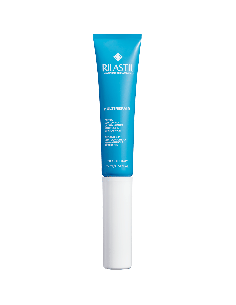
Rilastil Multirepair Eye and Lip Contour New Formula 15 ml
Rilastil
980551699
€23.14
Rilastil Eye-Lip Contour is an effective repairing, anti-wrinkle treatment to counteract wrinkles and other facial imperfections. Rilastil Multirepair Lip and Eye Contour cream, based on Skinbioma Care Complex:protects against pollution and blue lightacts on puffiness and dark circlescounteracts facial wrinkleshas an antioxidant actionIt is suitable for...

Anti-wrinkle eye contour
Centellase Cell Filler Eye Contour 20 ml
SIT Laboratorio Farmaceutico
985919339
€13.92
Eye contour cream with hyaluronic acid, caffeine and escin, to reduce the visible signs of dark circles. 20 ml pack.


Anti-wrinkle face sun protection
Eucerin Sun Protection SPF 30 Photoaging Control Face Sun Fluid Anti Age 50 ml
BEIERSDORF SpA
973730029
€13.17
Eucerin Sun Photoaging SPF30, an anti-ageing fluid that protects against photoageing and intensely moisturises facial skin. Format: 50 ml bottle.
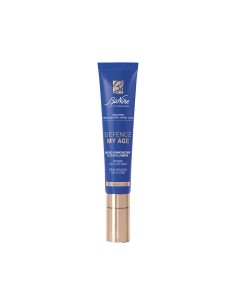
€23.67
DEFENCE MY AGE RENEWING CONTOUR SERUM, an anti-ageing serum for the eye and lip contour, with a moisturising and repairing action. Pack size: 15 ml tube.

€11.13
Etas anti-ageing eye contour is a decongesting eye serum with plant extracts, phytic acid and vitamin E. What is Etas eye contour for? Thanks to its formulation, this product helps to:Protect cells from oxidation Support skin tone and elasticity Help prevent the formation of wrinkles
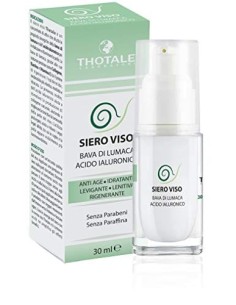
€5.23
Thotale eye contour cream, an eye contour cream with snail slime and hyaluronic acid for a regenerating and brightening action. Format: 30 ml.
Automatic selection based on product categories and features: for a tailored choice, ask the pharmacist.
What it is and how to recognise it
Over the years the skin changes: it renews itself more slowly, produces less collagen and elastin, retains less water and becomes thinner. The result is wrinkles, first as fine lines and then as deeper furrows, together with a loss of tone and elasticity, a less even complexion and the appearance of dark spots.
The first to appear are usually expression lines: on the forehead, between the eyebrows and around the eyes, the so-called crow's feet. Over time the nasolabial folds, the lines around the mouth and the sagging of the facial contour become more pronounced.
Not all wrinkles are the same. Expression lines are linked to the movement of the facial muscles and at first can only be seen when smiling or frowning. Dehydration lines are fine, superficial and improve quickly with good hydration. Deeper furrows, on the other hand, result from the loss of tissue support and skin laxity. Recognising your own situation helps you choose the most suitable products and have realistic expectations.
The most common causes
- Chronological ageing, linked to genetics and age.
- Sun exposure: UVA rays, active all year round and even through glass, are considered the main factor in photoageing.
- Smoking, which reduces the skin's oxygenation and promotes the breakdown of collagen.
- The drop in oestrogen during the menopause, with drier, thinner skin.
- A diet low in fruit and vegetables, too much sugar and alcohol.
- Lack of sleep, stress, pollution and rapid weight changes.
- Repeated facial expressions, which over time set expression lines.
Remedies and practical tips
- Apply broad-spectrum sun protection to your face every morning, even in winter and in town: it is the most effective anti-ageing step.
- Cleanse your face gently, without harsh products that deplete the skin barrier.
- Moisturise your face, neck and chest morning and evening.
- Do not smoke and limit alcohol.
- Eat foods rich in antioxidants: berries, citrus fruits, colourful vegetables, extra virgin olive oil, nuts and fish.
- Get enough sleep and, if possible, sleep on your back to reduce pillow creases.
- Wear sunglasses so you do not squint in bright light.
What you can find at the pharmacy
- Anti-wrinkle creams for the day, often with a sun filter, and for the night, richer and more nourishing. Common ingredients are hyaluronic acid, peptides, vitamin C, niacinamide and ceramides, which help moisturise and improve the appearance of the skin.
- Anti-ageing serums, with a light, concentrated texture, to be applied before cream. Those with retinol or its derivatives are used in the evening, starting a few times a week to let the skin get used to them, and should always be combined with sun protection during the day.
- Specific eye contour products, formulated for an area where the skin is thinner and more delicate.
- Gentle exfoliants with alpha hydroxy acids, which promote cell renewal and radiance.
- High-protection anti-wrinkle and anti-dark spot facial sunscreens.
- Supplements with collagen, hyaluronic acid, vitamin C and antioxidants: vitamin C contributes to normal collagen formation for the normal function of skin. They should be considered as support, not as a substitute for a good routine and a healthy lifestyle.
A few products used consistently are better than many constantly alternated: the skin needs a few weeks to show results.
When to see a doctor
Wrinkles in themselves are not a health problem, but it is advisable to see a dermatologist if you notice spots that change shape, colour or size, lesions that bleed or do not heal, or if the skin reacts to treatments with persistent redness, burning or flaking. During pregnancy and breastfeeding, ask for advice before using products with retinoids. The dermatologist is also the right person to assess any in-clinic treatments.
Frequently asked questions
At what age should you start using an anti-wrinkle cream?
There is no fixed age: after 25-30 you can gradually introduce a light anti-ageing product, but daily sun protection is useful at any age.
Can retinol be used in summer?
Yes, as long as it is applied in the evening and high sun protection is always used during the day, because it makes the skin more sensitive to light.
Does drinking lots of water get rid of wrinkles?
Good hydration is good for the whole body, but on its own it does not erase wrinkles: you need sun protection, daily skincare and a healthy lifestyle.
The information on this page is for general information purposes only and does not replace the advice of a doctor or pharmacist. Food supplements should not be used as a substitute for a varied, balanced diet and a healthy lifestyle. If symptoms persist or are severe, consult a healthcare professional.