
Shopping Cart


Sunburn and sun erythema: remedies and pharmacist's advice
Just a few hours of unprotected sun can leave your skin red, hot and sore: this is sun erythema, the classic sunburn. Knowing how to soothe it and, above all, how to prevent it protects your skin today and over the years.
Read the full guide ↓Useful products for sunburn and sun erythema
Soothing after-sunAloe vera gelsHigh-protection sunscreenSunscreen for children

Body sun protection for sensitive skin
Eau Thermale Avene Sun Spray SPF 50 200 ml
AVENE (Pierre Fabre It. SpA)
989332782
€16.20
Avene Sun Spray SPF 50, very high sun protection for sensitive skin, for face and body. Water-resistant. Format: 200 ml spray.


Face sun protection for sensitive skin
Bariesun SPF50+ Invisible Sun Stick 18 g
URIAGE LABORATOIRES DERMATOLOG
989468982
€8.29
Uriage Bariesun SPF50+ Stick, invisible sun stick for SPF50+ skin protection. Ideal for easy application. Size: 18g stick.
Body sun protection for sensitive skin
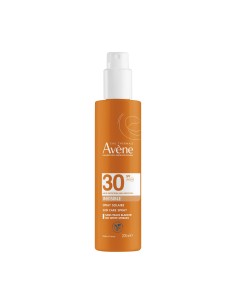
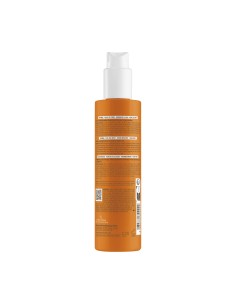
Eau Thermale Avene Sun Spray SPF 30 200ml New Pack
AVENE (Pierre Fabre It. SpA)
989332857
€19.77
Avene Sol Spray SPF 30 200ml, protective sun spray for face and body, ideal for sensitive skin. UVA/UVB protection. Size: 200 ml spray.
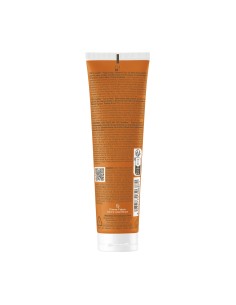
Body sun protection for sensitive skin
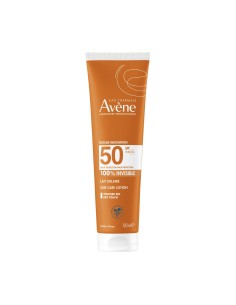
Eau Thermale Avene Sun Lotion SPF 50 100 ml
AVENE (Pierre Fabre It. SpA)
989332844
€11.45
Avène Sun Lotion SPF 50, sun protection for sensitive skin, high UVA/UVB and blue light protection. Size: 100 ml bottle.

Body sun protection for sensitive skin
Angstrom Protect Hydraxol Ultra Sun Cream SPF 50+
Perrigo
987414303
€12.22
Angstrom Protect Hydraxol 50+, ultra-protective SPF 50+ sun cream for sensitive skin of the face, with advanced UVA/UVB filters. Size: 50ml.


Face sun protection for sensitive skin
Eau Thermale Avene Sun Ultra Fluid Radiance SPF 50+ 50 ml
AVENE (Pierre Fabre It. SpA)
989332883
€14.93
Avene Sun Ultra Fluid Radiance SPF50+, sun protection for sensitive skin, protects against UVB, UVA and HEV blue light. Helps prevent photoageing and adds radiance. Size: 50 ml.
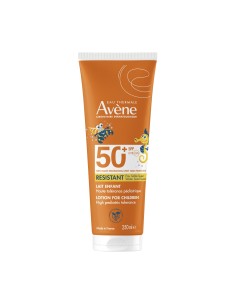
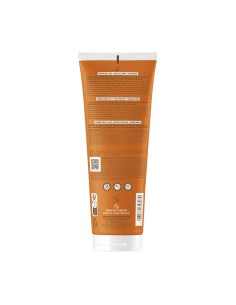
Children's sun protection
Eau Thermale Avene Sun Lotion Kids SPF 50+ 250 ml New Pack
AVENE (Pierre Fabre It. SpA)
989332770
€15.66
SPF 50+ sun lotion for children from 2 years, ideal for sensitive skin. Very high UVA/UVB protection, fragrance-free, resistant to sand, sweat and water.

Children's sun protection
Angstrom Protect Hydraxol Kids Sun Lotion Spray Ultra Protection SPF 50+ 175 ml
Angstrom
971486079
€13.61
Angstrom Protect Hydraxol Kids Sun Lotion Spray SPF50+, very high sun protection for children, moisturising and water-resistant. Pack size: 175 ml spray.


Children's sun protection
Eau Thermale Avène Sun Spray Kids SPF 50+ 200 ml New Pack
AVENE (Pierre Fabre It. SpA)
989332756
€12.75
High-protection SPF 50+ sun spray for children from 2 years, ideal for sensitive skin, resistant to water, sand and sweat, fragrance-free and with a biodegradable formula.


Body sun protection for sensitive skin
Eau Thermale Avene Sun Oil SPF 30 200 ml New Pack
AVENE (Pierre Fabre It. SpA)
989332869
€17.68
Avene Sun Oil SPF 30 200ml, a high-protection sun oil, ideal for sensitive skin. Water-resistant and moisturising. Size: 200 ml bottle.

Body sun protection for sensitive skin
Angstrom Sun Lotion Limited Edition SPF50+ 200 ml 2025
PERRIGO ITALIA Srl
989606900
€16.78
Angstrom Sun Lotion SPF50+, high sun protection in a limited edition, ideal for protecting and hydrating the skin during sun exposure. Size: 200 ml.
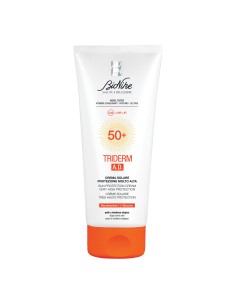
€23.39
Triderm AD Sun Cream SPF50+, a sun cream for the atopic skin of babies, children and adults, with UVA-UVB-IR protection. Pack size: 200 ml tube.
Automatic selection based on product categories and features: for a tailored choice, ask the pharmacist.
What it is and how to recognise it
Sun erythema is an inflammatory reaction of the skin to overexposure to ultraviolet rays, particularly UVB. It usually appears a few hours after exposure and peaks within the following 12-24 hours: the skin is red, hot to the touch, tight and sore, sometimes slightly swollen. Over the following days the redness fades and the skin tends to peel.
With more severe sunburn, blisters may form, accompanied by chills, headache, nausea or fever: in these cases the reaction should not be underestimated.
To understand how serious sunburn is, look at the skin: redness with a burning sensation that passes within a few days corresponds to a mild form, whereas blisters indicate deeper damage. The so-called sun allergy, or more accurately photosensitivity reactions, is different: small blisters or itchy spots appear on the chest and arms after the first exposures. Here too, protection and gradual exposure are essential, but you should seek advice if the problem recurs.
The most common causes
- Prolonged exposure in the middle of the day, when UV rays are most intense.
- Sun protection that is absent, insufficient or not reapplied after swimming and sweating.
- Fair phototype: fair skin, freckles, red or blond hair, light eyes.
- Reflective surfaces such as water, sand and snow, and high altitude.
- Windy or cloudy days, which are misleading about the real strength of the sun.
- Certain medicines, perfumes and cosmetics that make the skin more sensitive to light.
Remedies and practical tips
- At the first sign of redness, get out of the sun and into the shade: sunburn continues to worsen over the following hours.
- Cool the skin with showers or compresses of cool, not ice-cold, water, without rubbing.
- Apply a generous layer of soothing after-sun several times a day.
- Drink plenty of water: sunburnt skin and heat encourage dehydration.
- Wear loose cotton or linen clothing and do not expose yourself to the sun again until the skin has healed.
- Do not pop blisters and do not pull off peeling skin.
- Avoid perfumes, scrubs and alcohol-based products on reddened skin.
- For the future: avoid the sun between 11am and 4pm, wear a hat and sunglasses and apply sunscreen generously every two hours and after each swim.
What you can find at the pharmacy
- After-sun gels, lotions or sprays with aloe vera, panthenol, bisabolol, hyaluronic acid or thermal water: they cool, moisturise and help soothe the feeling of heat and tightness.
- Soothing gels and creams for reddened skin, also useful for small irritated areas.
- High-protection sunscreens (SPF 50 or 50+) with UVA and UVB filters, preferable for fair phototypes, sensitive skin, children and during the first days of exposure.
- Specific protection for the face, lips, sensitive skin and little ones, also in spray or stick format for easy application.
- Sun preparation supplements with beta-carotene, lycopene, vitamins and antioxidants, which may contribute to the protection of cells from oxidative stress but in no way replace sunscreen.
When to see a doctor
Medical advice is needed if the sunburn is extensive or has many blisters, if fever, chills, nausea, vomiting, severe headache, confusion or fainting occur (possible signs of heatstroke), if the skin shows signs of infection such as pus or increasing pain, and always when sunburn affects a newborn or young child. Babies under one year of age should not be exposed to direct sunlight. Finally, remember that repeated sunburn, especially at a young age, increases the risk of skin damage over time: in the following months check your moles and see a dermatologist if you notice any that change.
Frequently asked questions
Does sunburn turn into a tan?
No: sunburnt skin tends to peel and the tan that follows is often patchy. Sunburn is damage, not a step towards a tan.
Can you get sunburnt in the shade or when it is cloudy?
Yes, some UV rays pass through clouds and are reflected by sand and water: even under a beach umbrella protection is still necessary.
Is last year's sunscreen still OK?
Check the open jar symbol on the packaging: it shows how many months the product remains effective after opening. If it has expired or has changed smell and texture, it is best to replace it.
The information on this page is for general information purposes only and does not replace the advice of a doctor or pharmacist. Food supplements should not be used as a substitute for a varied, balanced diet and a healthy lifestyle. If symptoms persist or are severe, consult a healthcare professional.