
Shopping Cart


Excessive sweating: causes, remedies and pharmacist's advice
Sweating is a natural mechanism for regulating body temperature, but when excessive sweating occurs even at rest and in cool conditions it can become a real nuisance. Underarms, hands and feet are the areas most affected, and choosing the right products makes a difference.
Read the full guide ↓Useful products for excessive sweating
Intensive antiperspirantsGentle deodorantsAbsorbent powders and talcFoot deodorants
Roll-on deodorants
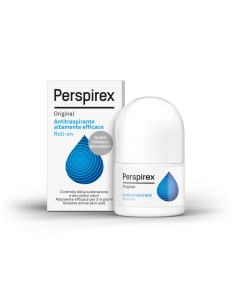
Perspirex Original Antiperspirant Roll-On Deodorant New Formula 20 ml
RIEMANN A/S
979406699
€11.57
Perspirex Original Antiperspirant Roll-on, to control sweating and unpleasant odours. Provides protection for 3.5 days. Format: 20 ml roll-on.

Hand & foot deodorants
Perspirex Foot Lotion Antiperspirant Clear Lotion for Foot Sweating and Odour 100 ml
RIEMANN A/S
902684315
€11.70
Perspirex Foot Lotion Antiperspirant for Feet, effectively combats excessive sweating and unpleasant odours of hands and feet. Format: 100 ml bottle.
€12.50
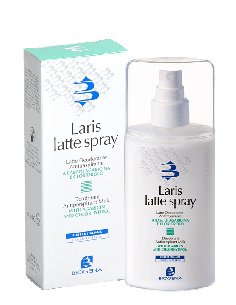
Laris Milk Spray Deodorant, a gentle deodorant ideal for sensitive skin that reduces sweating and neutralises unpleasant odours. Format: 100 ml bottle.
€11.64
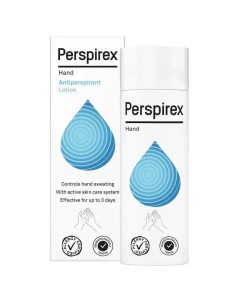
Perspirex Hand Antiperspirant Lotion reduces sweating for up to 3 days, ideal for anyone looking for long-lasting protection. Size: 100ml bottle.

€5.74
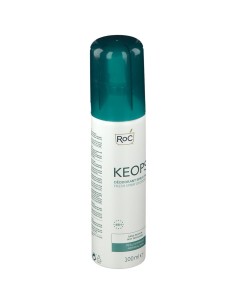
RoC Keops Fresh Spray Deodorant 48H, deodorant for sensitive skin that protects against perspiration and neutralises odours for 48 hours. Size: 100 ml spray.

€5.84
ROC Keops Deodorant Roll-On 48H protects against odour and minimises the risk of allergies; ideal for sensitive skin. Pack size 30ml roll-on.

€9.92
Vichy Anti-Perspirant Deodorant 48H roll-on for heavy perspiration, effective against wetness and odour. Ideal for all skin types, including sensitive skin. Format 50 ml.

€6.05
Underarm deodorant cream with triclosan, zinc oxide and vitamin E, with 94% ingredients of natural origin. Counteracts the causes of odour for up to one week and is fragrance-free, also for sensitive skin. 25 ml tube.
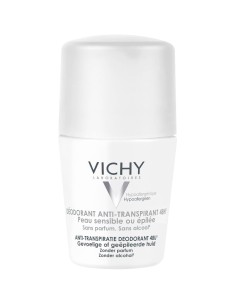
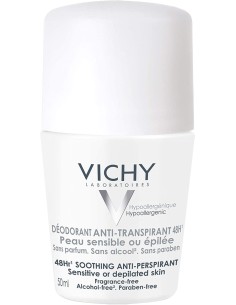
€9.98
Vichy Sensitive Skin Roll-On Deodorant, an anti-perspirant deodorant suitable for sensitive skin. Pack size: 50 ml roll-on, alcohol-free, hypoallergenic and dermatologically tested.
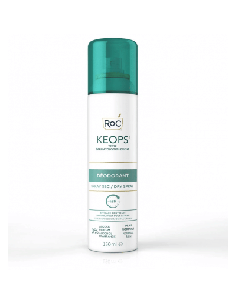
€5.74
RoC Keops Dry Spray Deodorant 24H, a dry deodorant for sensitive skin that offers long-lasting protection for up to 24 hours. Pack size: 150 ml spray.
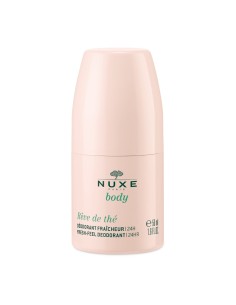
€9.15
Nuxe Rêve de Thé Deodorant, a 24h freshness deodorant, ideal for long-lasting protection and a revitalising feel. Format: 50ml roll-on.

€10.07
Vichy Anti-Marks Roll-on Deodorant, an intensive anti-perspirant treatment, ideal for sensitive skin. Format: 50 ml roll-on.
Automatic selection based on product categories and features: for a tailored choice, ask the pharmacist.
What it is and how to recognise it
Sweat serves to cool the body when it is hot, during physical activity or in case of fever. We talk about excessive sweating, or hyperhidrosis, when you sweat much more than necessary, even at rest, in cool conditions and for no apparent reason. The areas most affected are the underarms, palms, soles of the feet and sometimes the face and scalp.
Those affected notice obvious sweat marks on clothes, constantly damp hands, wet feet in their shoes and often an unpleasant odour, due not to sweat itself (which is almost odourless) but to the skin bacteria that break it down. The social and work-related discomfort can be significant.
Constantly damp skin is not just a cosmetic problem. In skin folds, between the toes and under the breasts, skin that stays wet for a long time becomes soggy, gets irritated more easily and becomes a breeding ground for fungi and bacteria. This is why managing sweat well also helps prevent redness, fungal infections and odour. People who suffer from sweaty hands may also have difficulties at work, writing or using tools, and tend to avoid shaking hands.
The most common causes
- Primary hyperhidrosis: the most common form, often running in families; it begins at a young age and symmetrically affects the underarms, hands or feet, without any underlying disease.
- Emotions, anxiety and stress, which activate the sweat glands, especially on the hands and underarms.
- Heat, humidity, synthetic and poorly breathable clothing.
- Being overweight, spicy food, coffee and alcohol.
- Hormonal changes, such as menopausal hot flushes.
- Secondary hyperhidrosis: widespread sweating linked to fever, thyroid disorders, changes in blood sugar, infections or certain medicines.
Remedies and practical tips
- Shower every day with a gentle cleanser and dry yourself very thoroughly, especially skin folds and between the toes.
- Wear loose clothing in natural fibres such as cotton and linen, or breathable technical fabrics for sport.
- Choose light colours or patterns that hide sweat marks.
- Carry a spare T-shirt or socks on busier days.
- Alternate your shoes, use absorbent insoles and let them dry well between uses.
- Limit coffee, alcohol and very spicy food if you notice they make sweating worse.
- Try relaxation techniques if sweating occurs mainly at tense moments.
- Removing underarm hair can help reduce odour and make products more effective.
What you can find at the pharmacy
- Antiperspirants: they usually contain aluminium salts that temporarily reduce the amount of sweat reaching the surface. Intensive ones are applied in the evening, to perfectly dry skin that has not just been shaved, and any residue is washed off in the morning; after the first few days applying them a few times a week is often enough.
- Aluminium-free deodorants, which do not block sweat but counteract odour with antibacterial or absorbent substances; suitable for those who sweat little or have sensitive skin.
- Different formats, roll-on, spray, stick, cream, to be chosen according to the area and convenience.
- Specific products for hands and feet, such as antiperspirant creams and sprays.
- Absorbent powders and talcs for feet, shoes and skin folds, useful for keeping the skin dry.
- Gentle cleansers for sensitive skin, to avoid irritation in areas stressed by sweat and products.
If an antiperspirant causes itching or burning, stop using it and try a formulation for sensitive skin.
When to see a doctor
It is a good idea to talk to your doctor if sweating starts suddenly in adulthood, if it affects the whole body, if it occurs mainly at night soaking sheets and pyjamas, if it is accompanied by fever, weight loss, palpitations, tremors or tiredness, or if it affects only one side of the body. These signs may point to a cause that needs investigating. Even when primary hyperhidrosis does not respond to pharmacy products and affects daily life, a dermatologist can suggest specific treatments. Increased sweating is common during pregnancy and the menopause, but it is still worth discussing with your doctor.
Frequently asked questions
What is the difference between a deodorant and an antiperspirant?
A deodorant acts on odour without reducing sweat; an antiperspirant reduces the amount of sweat produced in the area where it is applied.
Why should antiperspirant be applied in the evening?
At night the sweat glands are less active and the product can work better; applied in the morning to skin that is already sweaty it is less effective.
Does drinking less water reduce sweating?
No, and in fact it is not advisable: drinking too little does not reduce sweating but exposes you to the risk of dehydration.
The information on this page is for general information purposes only and does not replace the advice of a doctor or pharmacist. Food supplements should not be used as a substitute for a varied, balanced diet and a healthy lifestyle. If symptoms persist or are severe, consult a healthcare professional.