
Shopping Cart


Dry skin and atopic dermatitis: remedies and pharmacist's advice
Dry skin feels tight, flakes and often itches; when the itching is intense and red patches appear, it may be atopic dermatitis. In both cases the key is to protect and rebuild the skin barrier every day.
Read the full guide ↓Useful products for dry skin and atopic dermatitis
Emollients for atopic skinUrea creams and balmsSyndet cleansers and shower oilsMoisturisers for sensitive skinAnti-itch soothing products

Dry body skin
Pol Pure Omental Lipids Calm Lipid-Restoring Emollient Fluid for Dry, Itchy Skin 200 ml
Cantabria Labs Difa Cooper
980804456
€14.48
POL Calm Emollient Fluid, a lipid-restoring fluid that relieves skin itching, ideal for dry skin. Pack size: 200ml tube.
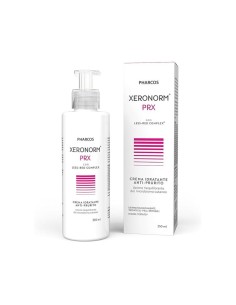
€24.55
XERONORM PRX PHARCOS, anti-itch cream for atopic-prone skin, ideal for soothing and protecting the skin. Pack size: 250 ml bottle.
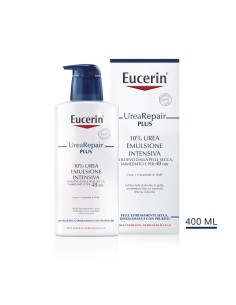
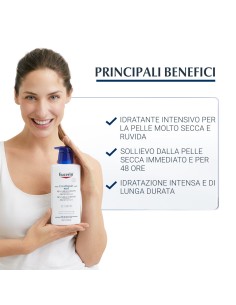
€17.30
Eucerin UreaRepair Intensive Lotion 10% Urea, a lotion for dry skin, with Urea, Ceramide and NMF for intense hydration. Format: 400 ml bottle.
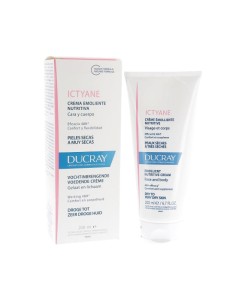
€14.14
Ictyane Emollient Nourishing Cream by Ducray, an emollient cream for dry skin that helps nourish and protect the skin. Size: 200 ml bottle.


€10.11
Exomega Control Cleansing Oil, emollient by A-Derma, cleanses and soothes dry skin and atopic-prone skin. Size: 200 ml bottle.

Body moisturisers for dry skin
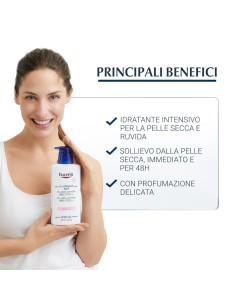
Eucerin UreaRepair 5% Scented Moisturising Lotion 400 ml
BEIERSDORF SpA
983381346
€19.74
Eucerin UreaRepair Plus Moisturising 5%, a moisturising lotion for dry skin with urea, ceramides and NMF. Moisturises for 48 hours. Size: 400 ml.


€21.44
Ureadin Lotion 10, moisturising body lotion with 10% Isdin Urea, ideal for dry skin. Helps restore hydration. Size: 400ml bottle.

€19.66
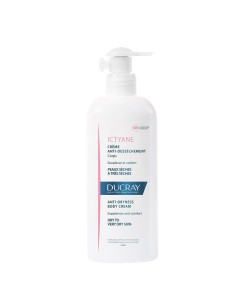
Ictyane Emollient Cream, a moisturising treatment for dry and very dry skin, face and body. Hydrates and protects against dehydration. Format: 400 ml bottle.

€12.89
Eucerin 30% Urea Repair+ cream for dry skin, with urea to moisturise and smooth rough areas such as elbows and knees. Pack size: 75 ml tube.

€21.31
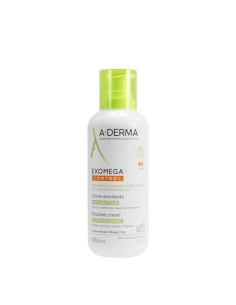
Exomega Control Emollient Cream 400ml, a soothing emollient cream for dry, atopic-prone skin that reduces itching and irritation. Size: 400 ml tube.
€24.37
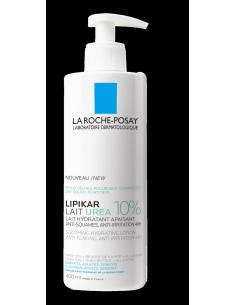
Lipikar Urea 10% 400ML moisturising body lotion for atopic-prone skin, reduces dryness and itching thanks to urea. Pack size: 400ml bottle.

€11.53
Eubos Shower Oil, a gentle shower oil for sensitive skin that cleanses and restores the hydrolipidic film. Ideal for atopic skin. Format: 200 ml bottle.
Automatic selection based on product categories and features: for a tailored choice, ask the pharmacist.
What it is and how to recognise it
Dry skin (xerosis) is skin lacking in lipids and water: it looks dull, feels rough to the touch, tends to flake into small scales and gives an unpleasant feeling of tightness, especially after a shower. The arms, legs, hands and heels are the areas most affected; in more marked cases cracks and small fissures appear.
Atopic dermatitis, on the other hand, is a chronic inflammatory condition, with phases of improvement and flare-ups. Its most typical sign is itching, often intense and worse at night, accompanied by red, dry patches. In young children it mainly affects the cheeks, scalp and outer surfaces of the limbs; as they grow it tends to settle in the creases of the elbows and knees, on the neck and on the hands.
Scratching is the real enemy: the more you scratch, the more the skin becomes inflamed and the more it itches, in a vicious circle that in the long run leaves the skin thickened and marked. Skin with a damaged barrier is also more exposed to infections and contact irritation. In children atopic dermatitis often tends to improve with age, but in some people it continues into adulthood, alternating quiet periods with flare-ups.
The most common causes
- Impaired skin barrier: atopic skin lacks some of the lipids and proteins that hold cells together, so water evaporates and irritants penetrate more easily.
- Family predisposition: it is common in people with relatives who have dermatitis, asthma or allergic rhinitis.
- Cold, dry weather, central heating, air conditioning.
- Long, hot showers, harsh and perfumed soaps.
- Rough fabrics such as wool or synthetics, sweat, stress.
- Age: over the years the skin produces less sebum and naturally becomes drier.
Remedies and practical tips
- Choose short showers with lukewarm water and pat yourself dry, without rubbing.
- Apply emollient within a few minutes of showering, while the skin is still slightly damp: this is when it holds moisture best.
- Moisturise your whole body at least once or twice a day, even when your skin is fine: consistency helps space out flare-ups.
- Wear cotton next to the skin, wash clothes with gentle detergents and rinse them well.
- Keep nails short, especially in children, to limit damage from scratching.
- Keep your home at a moderate temperature and, in winter, at an adequate humidity.
- Drink enough and eat foods rich in good fatty acids, such as oily fish, nuts and extra virgin olive oil.
What you can find at the pharmacy
- Emollients specifically for atopic skin: creams, balms and lotions with ceramides, cholesterol, fatty acids, plant butters or glycerin, which help restore the skin's protective film.
- Urea creams: at low concentrations they moisturise, at higher concentrations they help soften thickened, scaly skin on heels, elbows and knees.
- Syndet cleansers, shower oils and soap-free bath oils, which cleanse without depleting the skin barrier.
- Soothing products with colloidal oatmeal, thermal spring water, bisabolol or panthenol, useful when itching flares up.
- Ranges dedicated to newborns and children, with minimal, fragrance-free formulations.
- Supplements based on essential fatty acids (for example borage or evening primrose oil), which may contribute to the wellbeing of dry skin, always alongside a balanced diet.
It is best to choose fragrance-free formulas with few ingredients, trying any new product on a small area first.
When to see a doctor
It is advisable to see a doctor or paediatrician if itching prevents sleep, if the patches spread or do not improve despite emollients, if yellowish crusts, pus, blisters or pain appear (possible signs of infection), or if the problem concerns a newborn. A doctor's advice is also needed when dryness is sudden and widespread, because it is sometimes associated with thyroid problems, deficiencies or medicines being taken. Atopic dermatitis can be managed well, but acute phases require specialist assessment.
Frequently asked questions
Is atopic dermatitis contagious?
No, it is not passed from person to person. It is a condition linked to the skin barrier and the immune system, not to an infection.
How many times a day should emollient cream be applied?
Generally at least twice a day on atopic skin, and always after a bath or shower; during the driest phases even more often.
Should children with atopic skin avoid baths?
There is no need to avoid them: a short, lukewarm bath with a specific cleanser or oil is best, followed immediately by emollient.
The information on this page is for general information purposes only and does not replace the advice of a doctor or pharmacist. Food supplements should not be used as a substitute for a varied, balanced diet and a healthy lifestyle. If symptoms persist or are severe, consult a healthcare professional.