
Shopping Cart


Cystitis: symptoms, causes, remedies and pharmacist's advice
Cystitis is a very common complaint, especially among women, and makes itself felt with burning, an urgent need to urinate and discomfort in the lower abdomen. Understanding where it comes from and adopting a few good habits helps you cope better with episodes and reduce relapses. Here is what to know and when it is best to talk to your doctor.
Read the full guide ↓Useful products for cystitis
CranberryD-mannoseUrinary tract extractsProbioticsGentle intimate cleansers
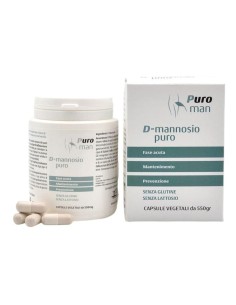
€27.44
Puroman, a food supplement of pure D-mannose from birch for urinary tract well-being. Useful in case of cystitis. Pack size: 80 capsules.
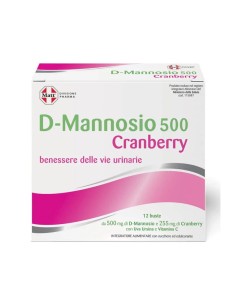
Cystitis
Matt Divisione Pharma D-Mannose 500 Cranberry 12 Sachets
A&D Gruppo Alimentare Dietetico
978267831
€8.65
Matt Pharma D-Mannose, a supplement for urinary tract wellbeing, supporting urinary tract function. Pack size: 12 sachets.

€23.30
Puroman Powder, pure D-mannose for urinary tract wellbeing, helps counteract bacterial adhesion. Helpful in cases of urinary tract infections. Pack size: 70 g jar.
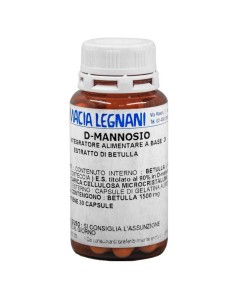
€25.48
D-Mannose Maxi, a supplement for urinary tract wellbeing that supports function and fluid drainage. Pack size: 90 capsules.
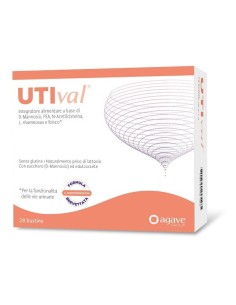
Urinary tract
Utival 28 Sachets Naturally Lactose-Free with Sugar, D-Mannose and Sweetener, Patented...
Agave Farmaceutici
951246901
€39.78
Food supplement in sachets with D-mannose, PEA, N-acetylcysteine, Lactobacillus rhamnosus LR04 and NutriPhy hibiscus extract: hibiscus supports urinary tract function in adults.


€12.43
Esi Cranberry Cyst 30 Ovalettes is a supplement to support urinary tract health and promote the drainage of body fluids. Thanks to its natural ingredients, Cranberry Cyst:Has a diuretic action, helping to eliminate urea and chlorides;Has a purifying action on the urinary tract;Has a soothing action.Take 2 ovalettes a day, swallowed with plenty of water,...
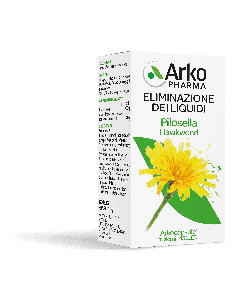
€8.10
Arkocapsule Pilosella, a supplement to support diuresis and the elimination of fluids, useful for water retention. Pack size: 45 capsules.

€13.33
ESI Cranberry Cyst Forte is a supplement for urinary tract wellbeing, with cranberry, bearberry and D-mannose. Pack size: 16 pocket drinks.
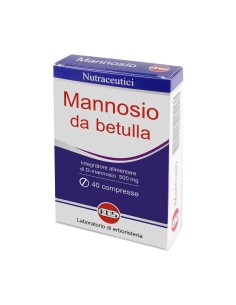
€9.50
D-Mannose is widely found in the plant world and in the human body. Supplementation is indicated in cases of increased requirement for this nutrient.Ingredients of D-mannose tablets:D-mannose from birchmicrocrystalline cellulose vegetable magnesium stearatecolloidal silica.Take 1-2 mannose tablets in the morning and 1-2 tablets in the evening before going...


€9.70
Arko Capsule Cranberry 45 Capsules is a cranberry supplement for the urinary tract that contributes to normal urinary tract function. Thanks to its composition, the cranberry supplement:supports urinary tract function;gives a sense of general wellbeing to the body;is ideal in case of urinary discomfort.The recommended intake is 1 capsule of the cranberry...

€20.14
Fitocranberry, a supplement for urinary wellbeing with cranberry and vitamin C. Supports urinary tract function. Pack size: 60 vegetable capsules.

€15.23
HS109 Uva Ursina Comp, a supplement for urinary tract well-being with Bearberry (Uva Ursi), Mouse-ear hawkweed and other plant extracts. Pack: 100ml bottle.
Automatic selection based on product categories and features: for a tailored choice, ask the pharmacist.
What it is and how to recognise it
The term cystitis refers to inflammation of the bladder, in most cases due to bacteria travelling up from the urethra. It affects women more often because the female urethra is short and close to the perianal area, but it can also affect men, older people and children.
The typical signs are fairly recognisable:
- burning when urinating, sometimes accompanied by pain at the end of the stream;
- a frequent, urgent need to urinate, even with little urine;
- a feeling of heaviness or tension in the lower abdomen;
- cloudy urine or urine with a stronger smell than usual;
- sometimes traces of blood in the urine.
Cystitis is described as recurrent when episodes occur several times a year: a common and troublesome situation that deserves medical assessment.
The most common causes
The most frequent culprit is a bacterium that normally lives in the gut and which, under certain conditions, manages to colonise the urinary tract. Some factors encourage this:
- drinking too little and holding in urine for a long time;
- sexual intercourse, which can encourage bacteria to travel upwards (so-called "post-coital" cystitis);
- constipation or, conversely, bouts of diarrhoea;
- incorrect intimate hygiene, too harsh or too frequent;
- very tight clothing and synthetic underwear;
- hormonal changes, such as those of the menopause or pregnancy;
- lowered defences after stress, cold or other illnesses.
Remedies and practical tips
A few simple daily habits help protect urinary tract wellbeing:
- drink regularly, spreading your water intake throughout the day: diluting urine and urinating often supports the natural "flushing" of the bladder;
- do not hold in your pee and empty your bladder completely, including straight after intercourse;
- after using the toilet always wipe from front to back;
- use gentle intimate cleansers with a suitable pH, avoiding unnecessary frequent douching;
- choose cotton underwear and trousers that are not too tight;
- keep your bowels regular with fibre, fruit and vegetables;
- during episodes limit coffee, alcohol, fizzy drinks and very spicy food, which can irritate the bladder;
- keep your lower abdomen and feet warm in the cold seasons.
What you can find at the pharmacy
Alongside good habits, the pharmacy offers various types of products designed for urinary tract wellbeing:
- American cranberry supplements: rich in proanthocyanidins, they may contribute to normal urinary tract function; they are generally taken for extended periods, especially by those prone to recurrent episodes;
- D-mannose: a simple sugar often combined with cranberry, useful as support in case of recurrent problems; there are formulas in sachets or tablets to dissolve in water;
- plant extracts traditionally used for the urinary tract, such as bearberry, mouse-ear hawkweed, orthosiphon or horsetail, which support fluid drainage;
- specific probiotics, which can help the balance of the intestinal and intimate flora;
- gentle or soothing intimate cleansers for daily hygiene.
These products do not replace your doctor's advice and should not be considered a treatment for the infection. Supplements are not a substitute for a varied, balanced diet and a healthy lifestyle: ask the pharmacist for the most suitable formulation, especially if you take other products or have chronic conditions.
When to see a doctor
It is important to consult a doctor if:
- fever, chills or pain in the side or back occur, possible signs that the kidneys are involved;
- there is visible blood in the urine;
- symptoms do not improve within a couple of days or get worse;
- episodes recur often;
- you are pregnant, or the problem affects a child, a man or an older person;
- you suffer from diabetes, stones or other conditions affecting the kidneys and urinary tract.
Only a doctor can decide whether tests are needed, such as a urine culture, and what the most appropriate course of action is.
Frequently asked questions
Is drinking lots of water enough to get rid of cystitis?
Drinking more is one of the most useful tips, because it increases how often you urinate and helps dilute urine, but it is not always enough: if symptoms persist you need your doctor's advice.
Can cranberry be taken for long periods?
Cranberry supplements are generally also designed for continuous use, but it is always best to follow the doses on the label and check with the pharmacist, particularly if you take anticoagulants.
Is cystitis contagious?
No, cystitis is not passed on like a contagious disease, although sexual intercourse can encourage bacteria to move towards the urinary tract: this is why it is useful to urinate straight afterwards.
The information on this page is for general information purposes only and does not replace the advice of a doctor or pharmacist. Food supplements should not be used as a substitute for a varied, balanced diet and a healthy lifestyle. If symptoms persist or are severe, consult a healthcare professional.