
Shopping Cart


Vaginal dryness and thrush: causes, remedies and advice
Itching, burning and a feeling of dryness in the intimate area are common complaints, which may be due to a thrush (Candida) infection or to poorly hydrated mucous membranes. Recognising the difference and looking after hygiene in the right way helps restore comfort. Here is the pharmacist's advice for every age.
Read the full guide ↓Useful products for vaginal dryness and thrush
Vaginal gels and creamsVaginal pessariesSoothing intimate cleansersIntimate douchesProbiotics for intimate floraLubricants
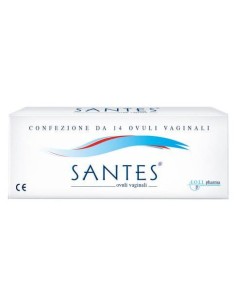
€17.60
Santes vaginal pessaries are used as an aid in relieving the symptoms of vulvovaginitis and other vaginal irritation. Santes pessaries contain a complex of:Hyaluronic Acid for a moisturising actionSodium salt to support healingVitamins A and E to protect the mucous membranes

€14.29
Logusgyn vaginal pessaries are a product based on Calendula extracts, Guar and Lactic acid. These pessaries are particularly suitable for helping to prevent the spread of pathogens and bacteria.Warnings:One pessary a day is recommended, before going to bed, for at least 5 days Do not use in case of hypersensitivity to one or more ingredientsUse only on...
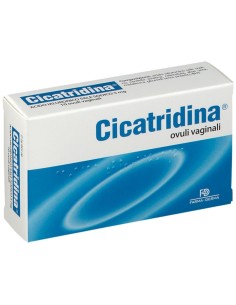
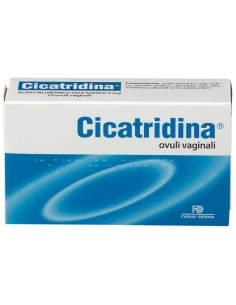
€13.65
For cervical ectropion and as a healing aid supporting the repair processes of the vaginal mucosa, use Cicatridina vaginal pessaries. These Cicatridina pessaries contain:Hyaluronic Acid, which supports epithelialisation and tissue repairAloe Vera and Calendula, with an immediate moisturising and emollient actionTea Tree Oil, with antiseptic and purifying...
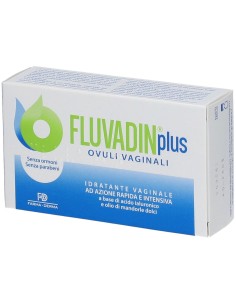
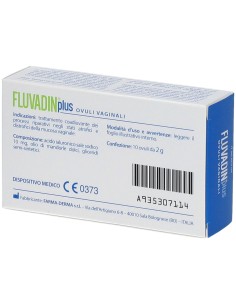
€13.76
Vaginal pessaries with hyaluronic acid and sweet almond oil, with a moisturising action against vaginal dryness. Pack of 10 pessaries of 2 g.

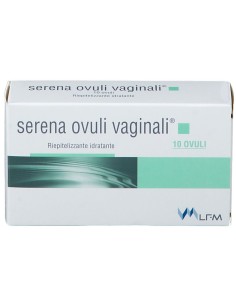
Vaginal pessaries
Serena Vaginal Pessaries 10 Pessaries 20 g
Laboratorio Farmacologico Milanese
910819186
€12.66
Serena Vaginal Pessaries 20 g are rebalancing vaginal pessaries for itching, with a soothing and protective action, indicated for female intimate hygiene. Thanks to their function, Serena pessaries:Are useful in case of vaginitis;Help restore the vaginal ecosystem;Have a soothing and protective effect.The pessaries are recommended for intimate burning and...

Vaginal creams & pessaries
Vidermina Lubripiù Vaginal Pessaries 2 Blisters of 5 Pessaries
IST.GANASSINI SpA
983040130
€13.66
Vidermina Lubripiù Pessaries are a medical device based on emollient and lubricating substances such as hyaluronic acid, used to counteract vaginal dryness and localised irritation.These vaginal pessaries help counteract:Redness;Itching;Local irritation.Vidermina lubricating pessaries can provide immediate comfort from the very first applications.

€16.46
Cliagin is a solution for feminine intimate hygiene, particularly suitable in cases of chronic cystitis and more. Cliagin vaginal douche also acts as a preventive measure: it not only cleanses the vagina but helps prevent a range of infections such as:Cystitis CandidaVaginal herpes


€13.88
Monogin vaginal pessaries 10 pieces is a product useful as an aid in the treatment of vulvovaginitis and cervicovaginitis of any nature and origin. In addition, it: helps restore normal physiological vaginal conditions after treatment of vaginal conditions helps restore normal physiological vaginal conditions after physical treatments supports the...
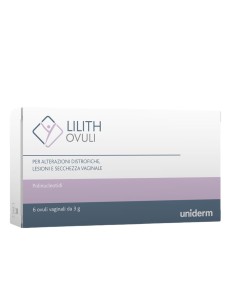
€18.76
Lilith vaginal pessaries are a pharmacy product formulated to moisturise and lubricate the cervico-vaginal mucosa and help regulate vaginal pH. Lilith supports the natural repair and regeneration mechanisms and is useful in case of:Vaginal drynessDystrophic changesLesions and breaks in the vaginal mucosa of pathological and/or surgical origin
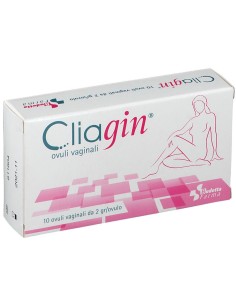
€14.86
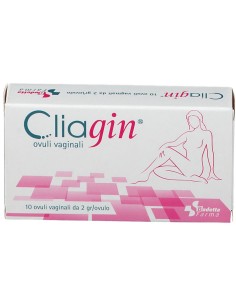
Cliagin pessaries is a pharmacy product from the Cliagin range, useful for women's intimate health.Often, due to excessive sweating or even minor oversights, the vagina's natural defences are not enough to prevent infections; the pessaries create an effective barrier that helps preserve the vaginal microenvironment.Recommended for:pre- and post-operative...

€3.69
Saugella Intimate Hygiene Douche 140 ml is a Saugella vaginal douche particularly suitable for every woman's personal intimate hygiene. Thanks to its formulation, the Saugella douche is useful in case of:Intimate itching and burning;Bacterial and fungal vaginal infections;Vaginosis and vaginitis.Keep the product out of the reach of children.
€9.11
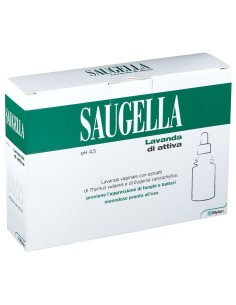
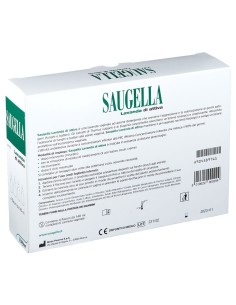
Saugella pH 4.5 Active Douche is a CE-marked medical device offering effective, gentle care for vaginal health. Formulated with extracts of Thymus vulgaris and Eugenia caryophyllus, it is ideal for maintaining the natural balance of the vaginal flora, thanks to its antifungal action and its ability to reduce the adhesion of bacteria and fungi.
Pack size:...
Automatic selection based on product categories and features: for a tailored choice, ask the pharmacist.
What it is and how to recognise it
Vaginal dryness is reduced lubrication of the vaginal mucous membranes. It is felt as burning, itching, a feeling of tightness or discomfort during intercourse and can make the area more prone to irritation.
Vaginal thrush, on the other hand, is an infection caused by a fungus, Candida, which normally lives on the mucous membranes but under certain conditions multiplies excessively. The most typical signs are:
- intense, persistent itching;
- redness and swelling of the external parts;
- thick, whitish, "cottage cheese-like" discharge, generally without an unpleasant smell;
- burning when urinating or during intercourse.
The two problems can overlap, because dry, irritated mucous membranes are more vulnerable to imbalances in the vaginal flora.
The most common causes
Dryness is often linked to a drop in oestrogen, typical of the menopause, the postnatal period and breastfeeding. It can also depend on hormonal contraceptives, stress, certain treatments, smoking and overly harsh cleansers.
Thrush, on the other hand, thrives when the balance of the vaginal flora, dominated by lactobacilli, is disrupted. Predisposing factors include:
- recent antibiotic treatment;
- lowered immune defences, stress and tiredness;
- pregnancy and other hormonal changes;
- high blood sugar and diets high in sugar;
- synthetic, tight-fitting clothing, which encourages warmth and moisture;
- excessive intimate washing or unsuitable products.
Remedies and practical tips
- wash the intimate area once or twice a day with a gentle cleanser, without rubbing, and pat dry thoroughly;
- avoid ordinary soaps, perfumed shower gels and unnecessary internal douching;
- wear cotton underwear and choose clothes that are not too tight;
- do not stay for long in a wet swimming costume or sweaty sportswear;
- change pads and panty liners often, choosing breathable products;
- cut down on simple sugars and sweets, favouring vegetables, wholegrain cereals and yoghurt;
- drink enough to keep your body hydrated;
- during intercourse, if you suffer from dryness, use a lubricant suitable for mucous membranes.
After antibiotic treatment or during more stressful periods it can be useful to pay extra attention to the intimate area, choosing gentle products and watching for any changes in discharge. On holiday too, between swimming pools, the sea and the heat, it is worth taking a suitable cleanser and spare underwear with you.
What you can find at the pharmacy
There are many types of products for intimate hygiene and wellbeing:
- intimate cleansers with a physiological pH: more acidic for women of childbearing age, gentler and more soothing for the menopause or in case of irritation, with ingredients such as mallow, calendula or tea tree oil;
- moisturising vaginal gels and creams, often based on hyaluronic acid, useful for restoring comfort to dry mucous membranes;
- soothing or rebalancing vaginal pessaries and specific intimate douches, to be used according to the product instructions;
- probiotics with lactobacilli, taken orally or vaginally, which can support the balance of the intimate flora;
- water-based or silicone-based lubricants for intimate moments;
- intimate wipes for hygiene when out and about.
These products support intimate hygiene but do not replace a gynaecologist's diagnosis: an actual infection should be assessed by a doctor. Supplements, moreover, are not a substitute for a varied, balanced diet and a healthy lifestyle.
When to see a doctor
It is important to consult your doctor or gynaecologist if:
- it is the first episode of thrush-like symptoms or you are not sure of the cause;
- the discharge is greyish, greenish or has an unpleasant smell;
- fever, lower abdominal pain, small sores or blisters appear;
- episodes recur several times a year;
- you are pregnant or have diabetes;
- dryness makes intercourse painful or persists despite these measures.
Frequently asked questions
Can thrush be passed on to your partner?
It is not considered a sexually transmitted disease, but the partner can sometimes have redness and itching: in case of recurrent episodes it is worth involving them in the consultation too.
Can young women suffer from vaginal dryness?
Yes, even in the childbearing years dryness can occur due to stress, hormonal contraceptives, breastfeeding or the use of harsh cleansers.
How many times a day should you wash the intimate area?
Once or twice a day is usually enough: washing too often risks disrupting the natural protection of the mucous membranes.
The information on this page is for general information purposes only and does not replace the advice of a doctor or pharmacist. Food supplements should not be used as a substitute for a varied, balanced diet and a healthy lifestyle. If symptoms persist or are severe, consult a healthcare professional.