
Shopping Cart


Prostate: male urinary problems, causes and pharmacist's advice
As the years go by, many men notice changes in the way they urinate, often linked to the prostate. Looking after prostate health means knowing the signs not to ignore, adopting a careful lifestyle and having the right check-ups. In this guide you will find the pharmacist's practical advice.
Read the full guide ↓Useful products for prostate health
Saw palmetto (Serenoa repens)Pygeum and willowherbPumpkin seedsAntioxidants for men

€15.26
Saw palmetto (Serenoa repens) is the active ingredient in Urogermin Prostata. This product is a food supplement for prostate health, the drainage of body fluids and the balance of the urinary tract. The key ingredients of the product are:Serenoa repens Lycopene SeleniumZinc

€7.98
Urogermin Prostata, a supplement for prostate well-being, supports urinary tract function thanks to serenoa repens, lycopene, selenium and zinc. Format: 15 softgels.

€9.70
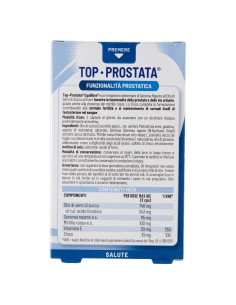
Equilibra Top Prostata is a food supplement based on zinc and vitamin E that helps maintain the physiological well-being of the male body. Its action:supports normal fertility and reproduction;maintains normal testosterone levels in the blood;contributes to cell division;protects cells from oxidative stress.Equilibra Top Prostata in a pack of 40 softgels.

€11.01
Prostat Act is a supplement that helps support prostate and urinary tract function. Prostat Act tablets contain:Serenoa repens (serrulata) fruit dry extract standardised to 30% fatty acidsE341 (dibasic calcium phosphate), E460(i) (microcrystalline cellulose)vegetable magnesium stearate Prostat Act from the Act line comes in a bottle of 60 tablets

€15.07
Epilobio Whole Extract 200 ml is a food supplement useful for intimate hygiene and health and to promote prostate function. Epilobio for the prostate contains: Double-distilled vegetable glycerine,pure water,willowherbEpilobium parviflorum is gluten-free and lactose-free.
€6.88
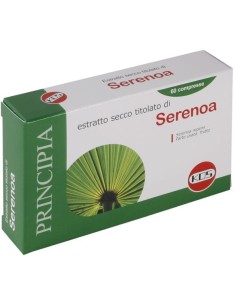
Serenoa dry extract 60 tablets by Kos is a food supplement based on saw palmetto dry extract. Serenoa tablets help to:Support normal prostate functionSupport the drainage of body fluidsContribute to the proper functioning of the urinary tract Food supplements should not be used as a substitute for a varied diet.
€8.03
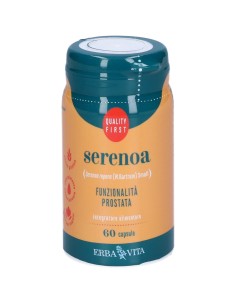
Serenoa 60 Capsules by Erba Vita, a supplement for prostate function and the urinary tract. Also suitable for vegans. Format 60 capsules.
€8.99
Food supplement in capsules based on Willowherb (Epilobium), useful for supporting prostate and urinary tract function. Suitable for vegans. Pack of 60 capsules.

€18.29
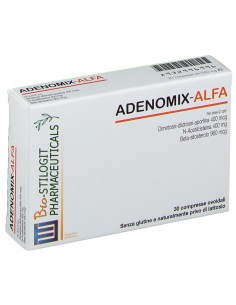
Adenomix alfa tablets is a food supplement based on plant extracts of Serenoa Repens, Pinus Pinaster and Urtica dioica. Thanks to the action of its active ingredients, Adenomix alfa may help to:Counteract swelling and thickening of the prostate Maintain normal urinary function Improve fluid drainage This product is one of the most popular supplements for...

€28.06
What is Prostamol for? It is a food supplement in softgels based on Serenoa repens, used for the well-being of the prostate and the male urinary tract. Prostamol works thanks to:Serenoa repens 320 mgGelatinGlycerolIts use is not recommended for women of childbearing age or for children.


€17.67
Prostamol 30 is a parapharmaceutical product based on Serenoa Repens that helps support prostate function. Thanks to its active ingredients, this product is a valuable supplement for the prostate and the urinary tract. Most common Serenoa Repens side effects:Nausea Vomiting Diarrhoea
€19.35
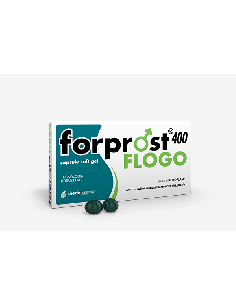
Forprost 400 Flogo is a food supplement for adults that contributes to normal prostate function. Its natural components may help to: Support gland function and urinary flow.Support sperm quality and motilityProvide a soothing action on inflammation and discomfort.
Automatic selection based on product categories and features: for a tailored choice, ask the pharmacist.
What it is and how to recognise it
The prostate is a male gland roughly the size of a chestnut, located below the bladder, with the urethra running through it. It produces part of the seminal fluid and, with age, naturally tends to increase in size: this is known as benign prostatic hyperplasia, a very common condition after the age of 50.
When the gland enlarges it can compress the urethra and cause urinary problems such as:
- needing to urinate at night, even several times;
- a weak, intermittent stream or one that is hard to start;
- a feeling of not having completely emptied the bladder;
- sudden urgency and frequent urination during the day;
- dribbling at the end of urination.
The prostate can also become inflamed (prostatitis), which shows up as pain or discomfort in the perineum, burning and sometimes fever.
The most common causes
Benign enlargement is mainly linked to age and male hormonal changes. Other factors can worsen symptoms or encourage inflammation:
- a sedentary lifestyle and being overweight;
- a diet high in fat, alcohol and very spicy food;
- long hours sitting down or frequent cycling and motorbike journeys;
- constipation, which increases congestion in the pelvic area;
- bacterial urinary tract infections;
- a habit of holding in urine for a long time.
It is worth remembering that male urinary problems do not always depend on the prostate: an overactive bladder, certain treatments, diabetes or drinking too much in the evening can also cause similar symptoms. This is why self-diagnosis is never a good idea and the first step is always to talk to your doctor, who will be able to refer you for the most suitable tests.
Remedies and practical tips
Lifestyle plays an important role in reducing everyday discomfort:
- spread your fluid intake mainly over the first part of the day and reduce drinks in the evening, without drinking too little overall;
- limit alcohol, coffee and fizzy drinks, which stimulate the bladder;
- move every day: walking, swimming or gentle exercise improves pelvic circulation;
- if you work sitting down, get up often and use a suitable cushion;
- follow a Mediterranean-style diet, rich in vegetables, pulses, fish and fruit, with cooked tomatoes and oily seeds;
- tackle constipation with fibre and water;
- take your time to empty your bladder fully, perhaps urinating again after a few moments.
What you can find at the pharmacy
There are various types of supplements formulated for male wellbeing and urinary function:
- supplements based on Serenoa repens (saw palmetto): the extract of this palm is among the most widely used to support prostate function and normal urinary flow;
- Pygeum africanum, nettle root and willowherb, often combined in specific formulas;
- pumpkin seeds and their oil, traditionally used for male urinary tract wellbeing;
- antioxidants such as lycopene, selenium and zinc, which contribute to the protection of cells from oxidative stress;
- extracts such as cranberry and D-mannose when prostate problems are accompanied by urinary discomfort.
Supplements should be taken consistently, usually for a few months, and are not a substitute for a varied, balanced diet or a healthy lifestyle. Above all, they do not replace a urological examination: before starting them, other causes of the symptoms should have been ruled out. If you take medicines or have ongoing conditions, check with your doctor or pharmacist.
When to see a doctor
Any change in the way you urinate deserves assessment, but it is important to see a doctor promptly if:
- blood appears in your urine or semen;
- you can no longer urinate (acute retention): this is an emergency;
- you have fever, chills, pain in the perineum or intense burning;
- you feel pain in your back or sides;
- symptoms get worse or disturb your sleep.
After the age of 50, or earlier if there is a family history, it is advisable to agree regular prostate check-ups with your doctor.
Frequently asked questions
Does an enlarged prostate mean cancer?
No, benign enlargement is very common and is not cancer; however, the symptoms can be similar, which is why it is essential to be assessed by a urologist.
How long does it take to see the benefits of a prostate supplement?
Plant extracts work gradually: the effect is usually assessed after a few weeks of regular use, following the directions on the label.
Is cycling bad for the prostate?
There is no need to give it up, but men with prostate problems may benefit from an ergonomic saddle, frequent breaks and rides that are not too long.
The information on this page is for general information purposes only and does not replace the advice of a doctor or pharmacist. Food supplements should not be used as a substitute for a varied, balanced diet and a healthy lifestyle. If symptoms persist or are severe, consult a healthcare professional.