
Shopping Cart


Fertility and conception: advice for couples trying for a baby
When a couple decides to try for a baby, there are lots of questions about fertility and conception: which days are best, what to eat, when to worry. Preparing a few months in advance, both her and him, is a valuable investment in the health of the future pregnancy. Here is the pharmacist's advice.
Read the full guide ↓Useful products for fertility and conception
Folic acid and preconceptionMale fertility supplementsOvulation testsPregnancy testsInositol
Pregnancy & breastfeeding
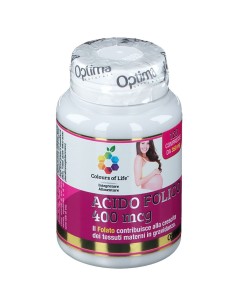
Colours of Life Folic Acid 400 mcg 120 Tablets 350 mg
Optima Naturals
925386423
€6.31
Folic acid supplement Colours of Life, from the Optima range, 400 mcg 120 tablets 350 mg is a food supplement that contributes to maternal tissue growth. Folic acid supplement:Contributes to normal psychological functionContributes to the reduction of tiredness and fatigueContributes to normal homocysteine metabolismFolic acid for pregnancy: an essential...
€5.49
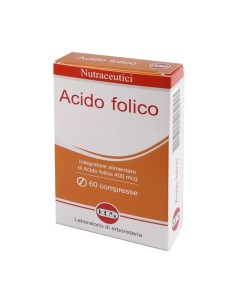
Folic acid 400 mcg 60 tablets is a food supplement that contributes to normal homocysteine metabolism, recommended for women of childbearing age.Supplemental folic acid intake increases maternal folate status.The supplement contributes to normal blood formation and to maternal tissue growth during pregnancy.The folic acid tablets are lactose-free.

€25.96
Food supplement in capsules based on freeze-dried extracts of citrus fruits, mango and tomato, with antioxidant action. Pack of 30 capsules.
€5.97
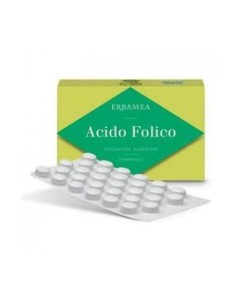
Erbamea Folic Acid is a food supplement in tablets based on folic acid 400 µg helpful during pregnancy for the well-being of the whole body.Erbamea Folic Acid supplement contributes to:amino acid synthesismaternal tissue growth during pregnancythe normal function of the immune systemthe reduction of tiredness and fatiguenormal psychological function
€12.02
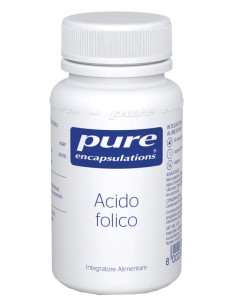
Pure Encapsulations Folic acid is a food supplement formulated for women's needs during pregnancy. Pure Encapsulations Natural folic acid:Contributes to maternal tissue growth during pregnancySupports the development of the embryoContributes to the reduction of tiredness and fatigueSupports the normal function of the immune system


€29.61
Genante is a supplement that contributes to both female and male fertility, useful for couples planning a pregnancy, with Revifast, Vitamin B6, Vitamin D3 and Trans-resveratrol.
Format: pack of 30 tablets.

€19.51
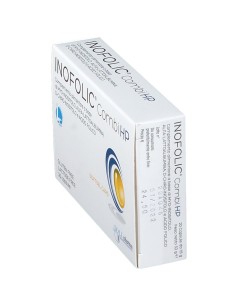
Inofolic Combi HP is a food supplement based on myo-inositolalpha-lactalbuminD-chiro-inositolfolic acidInofolic Combi HP is recommended especially in case of reduced dietary intake or increased requirement of these substances. Inofolic: each pack contains 20 capsules.


€40.90
Natalben Supra 90 is a multivitamin and multimineral supplement in softgels, designed for pregnant women. Natalben Supra meets the body's physiological requirements, such as folic acid.Natalben contains vitamins and minerals useful during pregnancy, including:Omega 3Vitamin BVitamin DFolateIronIodineZinc

€58.66
Psiproto Fert 90 capsules, a fertility supplement that supports reproductive health with myo-inositol and vitamins. Useful for general well-being. Pack size: 90 capsules.

€17.79
Inofolic HP in sachets is a food supplement that supports tissue growth during pregnancy. Thanks to its formula based on alpha-lactalbumin, myo-inositol and folic acid, it:mediates the body's response to the stimuli of various hormonescontributes to maternal tissue growth during pregnancyhelps in cases of reduced dietary intake or increased...


€21.30
Natalben Supra, a multivitamin supplement for pregnancy, supports the mother's wellbeing with folic acid and essential vitamins and minerals. Pack size: 30 capsules.

€20.78
Food supplement in capsules based on folic acid with vitamins B6, B12, C and D, useful during pregnancy and for maternal tissue growth. Pack of 30 capsules.
Automatic selection based on product categories and features: for a tailored choice, ask the pharmacist.
What it is and how to recognise it
Fertility is a couple's ability to conceive. Even under optimal conditions the probability of pregnancy in any single cycle is not very high: this is why it is normal for it to take several months of trying. As a general rule, difficulty conceiving is spoken of when pregnancy has not occurred after about a year of regular unprotected intercourse, or after six months if the woman is over 35.
Knowing your cycle helps you recognise your fertile window, i.e. the days leading up to ovulation and the day itself. Some signs may point to it:
- more abundant cervical mucus, clear and stretchy, similar to egg white;
- a slight rise in basal body temperature after ovulation;
- sometimes a mild pain on one side of the lower abdomen;
- increased sexual desire.
The most common causes
Difficulties conceiving may concern the woman, the man or both, and sometimes no precise cause is identified. Among the most influential factors:
- age: female fertility gradually declines after 35, and male fertility is also affected by age;
- irregular cycles or lack of ovulation, for example in case of polycystic ovaries or thyroid disorders;
- gynaecological conditions such as endometriosis or problems with the fallopian tubes;
- changes in sperm quality or quantity;
- smoking, alcohol and recreational drugs;
- being overweight or underweight, very restrictive diets and extreme physical activity;
- prolonged stress, night shifts and insufficient sleep;
- frequent exposure of the testicles to heat sources, such as saunas or a laptop on the lap.
Remedies and practical tips
- have regular intercourse, every two or three days, without anxiously focusing on just one specific day;
- both of you should stop smoking and limit alcohol; for her it is better to cut it out altogether;
- follow a Mediterranean diet rich in green leafy vegetables, pulses, fruit, fish and wholegrain cereals;
- try to reach a healthy weight with moderate, regular physical activity;
- cut down on caffeine and sugary drinks;
- protect your sleep and set aside time to relax as a couple;
- track your cycle for a few months: an app or a calendar helps identify fertile days;
- book a preconception visit with your doctor or gynaecologist.
What you can find at the pharmacy
Here are the most useful types of products for those trying for a baby:
- folic acid: supplementation is recommended for women trying to conceive, starting at least one month before conception, because it contributes to maternal tissue growth during pregnancy; the dosage should be agreed with your doctor;
- specific female preconception supplements, with folates, vitamins, iodine, iron and often inositol, used to support cycle regularity;
- male fertility supplements, with zinc and selenium (which contribute to normal spermatogenesis), L-carnitine, coenzyme Q10 and antioxidants;
- ovulation tests, which detect in urine the surge of the hormone that precedes ovulation and help identify the most favourable days;
- basal thermometers to monitor temperature;
- "sperm-friendly" lubricants, designed not to hinder conception;
- pregnancy tests for a quick check at home.
Supplements are not a substitute for a varied, balanced diet and a healthy lifestyle, nor for a doctor's assessment. If the couple is already undergoing tests or following an assisted reproduction pathway, every product should be agreed with the specialist.
When to see a doctor
- after 12 months of trying without pregnancy, or after 6 months if she is over 35;
- straight away, if periods are absent, very irregular or very painful;
- if there have been repeated miscarriages;
- in the presence of known conditions such as endometriosis, polycystic ovaries, thyroid disorders or diabetes;
- if he has had infections, varicocele, surgery or injuries to the genitals;
- if you are on long-term treatments, which should be reviewed before conception.
Remember that the assessment always concerns both partners: a semen analysis is also a simple and important test.
Frequently asked questions
When is the best time to do an ovulation test?
You generally start a few days before your expected ovulation date, calculated from the average length of your cycle; the test instructions indicate the exact day to start from.
Does the man need to take supplements too?
It is not compulsory, but a good diet and, where useful, a specific supplement can support male wellbeing; it is worth talking to your doctor or pharmacist about it.
Can stress delay conception?
Intense, prolonged stress can affect the cycle and desire: taking time for yourselves and approaching the process calmly is as important as the other measures.
The information on this page is for general information purposes only and does not replace the advice of a doctor or pharmacist. Food supplements should not be used as a substitute for a varied, balanced diet and a healthy lifestyle. If symptoms persist or are severe, consult a healthcare professional.