
Shopping Cart


Urinary incontinence: causes, remedies and pharmacist's advice
Urinary incontinence, the involuntary loss of urine, affects many more people than you might think: women and men, young and old. Talking about it without embarrassment is the first step: there are exercises, habits and aids that help you manage it and live with peace of mind. Here is a practical guide.
Read the full guide ↓Useful products for urinary incontinence
Incontinence padsAbsorbent pantsAdult nappiesBed padsBarrier creams

€15.78
Incontinence pads for light female incontinence, Maxi level, with aloe-treated fabric and anti-odour system, for discreet, anatomical protection. Pack of 30 pieces.
Incontinence
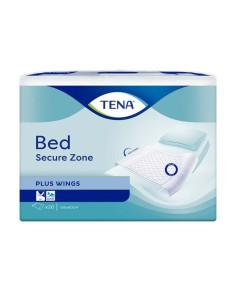
Tena Bed Plus Tuck-In Incontinence Underpad 80x180 cm Plus 20 Pieces
ESSITY ITALY SpA
988665648
€15.76
TENA Bed Plus tuck-in absorbent underpads (80x180 cm) for bed and chair protection in case of incontinence. Pack of 20 pieces.

€20.81
Shaped incontinence pads in non-woven fabric for urinary and faecal incontinence, to be used with the appropriate elastic pants. Maxi absorbency, pack of 30 pieces.

Incontinence
TENA Silhouette Noir Absorbent Pull-up Pants M Low Waist 12 Pieces
ESSITY ITALY SpA
986860637
€9.19
TENA Silhouette Noir low-waist absorbent pull-up pants, size M, for incontinence management. Pack of 12 pieces.
Incontinence
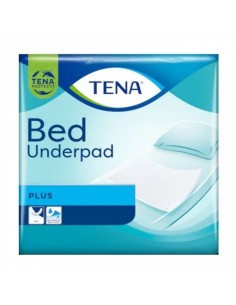
Tena Bed Plus Disposable Absorbent Incontinence Bed Pad 60x90 cm 20 Pieces
ESSITY ITALY SpA
983684147
€10.75
Disposable absorbent bed pads 60x90 cm to protect beds and chairs in case of incontinence. Pack of 20 pieces.

€7.07
Lines Specialist Pants Extra size XL: unisex disposable absorbent pants for heavy urinary leakage, with anti-leak barriers and odour-control technology. Pack of 7 pieces.

€5.47
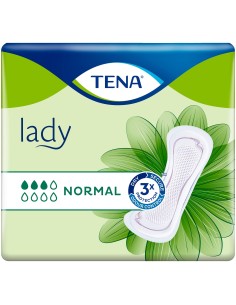
Tena Lady Super shaped pads are absorbent products used to prevent leaks due to urinary incontinence, ensuring security and freshness. Tena pads are comfortable thanks to a super-absorbent, filtering system, and they also:Are easy to wearAllow freedom of movementProvide absorbency with hypoallergenic material
€3.25
Tena Lady shaped pads are devices used to prevent leaks caused by urinary incontinence, ensuring security and comfort. Tena Lady pads are comfortable and pleasant to wear thanks to a super-absorbent, filtering system, and they also:Are easy to put onAllow freedom of movementGuarantee absorbency with hypoallergenic materialTena Lady absorbent pads can be...

€13.41
Size M absorbent pants for incontinence, with FeelDry Advanced technology for protection and comfort. Pack of 8 pieces.

€3.10
Lines Specialist Lady Normal, pads for urinary incontinence with Neutro-Fresh anti-odour system and side barriers. Format: 10 pieces.

€13.44
Pull-up incontinence pants Tena Pants Maxi, size L, for incontinence. High absorbency for maximum comfort. Pack of 8 pieces.
€3.25
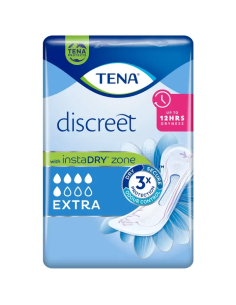
TENA Discreet Extra, a pad for light incontinence and moderate urine leakage, offering triple protection. Format: 10 pieces.
Automatic selection based on product categories and features: for a tailored choice, ask the pharmacist.
What it is and how to recognise it
We talk about urinary incontinence when urine is lost without being able to control it. It may be a few drops or heavier leaks, occasional or daily. The main forms are:
- stress incontinence: small leaks when coughing, sneezing, laughing, lifting something heavy or doing sport;
- urge incontinence: a sudden, pressing need to urinate, with difficulty reaching the toilet in time, typical of an overactive bladder;
- mixed incontinence, which combines the two previous forms;
- overflow incontinence, with continuous dribbling because the bladder does not empty completely, more common in men with prostate problems.
The most common causes
At the root there is often a weakening of the pelvic floor, the group of muscles that supports the bladder, uterus and bowel. Among the factors that most frequently contribute:
- pregnancy and childbirth, especially if repeated or difficult;
- the menopause, with the drop in oestrogen making tissues less toned;
- being overweight, chronic cough and constipation, which increase pressure on the abdomen;
- high-impact sports practised for years;
- prostate enlargement or prostate surgery in men;
- advanced age, reduced mobility and some neurological diseases;
- urinary infections and substances that irritate the bladder.
Remedies and practical tips
- train your pelvic floor with specific exercises (such as Kegel exercises): contract and relax the muscles several times a day, ideally after learning them with a professional;
- do not cut down on fluids too much: concentrated urine irritates the bladder; spread your water intake over the day and drink less in the evening;
- limit coffee, tea, alcohol and fizzy drinks;
- try "bladder retraining": going to the toilet at regular times, gradually lengthening the intervals;
- maintain a healthy weight and tackle constipation;
- stop smoking, also to reduce chronic cough;
- take good care of the skin in the intimate area, which can become irritated through contact with urine.
Many people give up going out, travelling or exercising for fear of leaks: with the right aids and a little organisation, such as knowing in advance where the toilets are and carrying a change of clothes, it is possible to keep up your habits and social life.
What you can find at the pharmacy
There are different aids and products depending on the type and extent of leakage:
- light incontinence pads and specific panty liners, more absorbent and with odour control compared with those for periods;
- absorbent pants, discreet and easy to wear, suitable for independent people;
- shaped or pull-up adult nappies for heavier leaks and for bedridden people;
- disposable bed pads to protect beds and seats;
- gentle cleansers, wipes and barrier creams to protect the skin;
- supplements for urinary tract wellbeing, such as those based on pumpkin seeds, or formulas for prostate function in men, always as support and not as a solution to the problem.
Choosing the right absorbency and the correct size prevents leaks and irritation: the pharmacist can help you find your way. Remember that supplements are not a substitute for a varied, balanced diet and a healthy lifestyle.
When to see a doctor
Incontinence is not an inevitable consequence of age and can often improve a great deal with the right approach. Talk to your doctor if:
- leaks start suddenly or get worse quickly;
- they are associated with burning, fever or blood in the urine;
- you have difficulty emptying your bladder or the stream is very weak;
- they occur together with weakness in the legs, tingling or loss of bowel control;
- the problem limits your social life, sport or sleep;
- it affects a child beyond the age at which control is usually achieved.
Your doctor, a urologist, gynaecologist or pelvic floor physiotherapist can recommend targeted tests and rehabilitation programmes.
Frequently asked questions
Can I use ordinary sanitary pads for urine leaks?
It is better not to: those for periods are designed for a different fluid, whereas incontinence pads absorb urine more quickly and neutralise odours better.
Are pelvic floor exercises useful for men too?
Yes, they can also be useful for men, for example after prostate surgery, preferably with guidance from a professional.
Does drinking less reduce leaks?
Restricting fluids too much is counterproductive, because concentrated urine irritates the bladder: it is better to drink regularly and cut down only in the evening.
The information on this page is for general information purposes only and does not replace the advice of a doctor or pharmacist. Food supplements should not be used as a substitute for a varied, balanced diet and a healthy lifestyle. If symptoms persist or are severe, consult a healthcare professional.