
Shopping Cart


Period pain and premenstrual syndrome: causes and remedies
Cramps in the lower abdomen, bloating and irritability in the days before a period are common experiences for a great many women. Period pain and premenstrual syndrome, however, should not simply be endured: there are habits and products that can make them more manageable. Let us look at how to recognise them and when to discuss them with a gynaecologist.
Read the full guide ↓Useful products for period pain and pms
MagnesiumChasteberry and cycle extractsEvening primrose oilHeat wrapsSanitary pads and panty liners

€18.94
Magnesio Supremo magnesium supplement, supports muscle function and the nervous system and helps reduce tiredness. Vegan, gluten-free and lactose-free. Format: 300g.
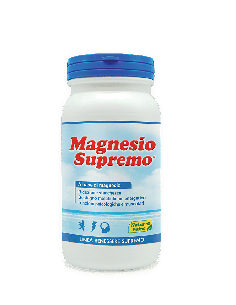
€11.71
Magnesio Supremo, a magnesium supplement to reduce tiredness and support muscle and nerve function. Ideal for general well-being. Pack size: 150 g jar.
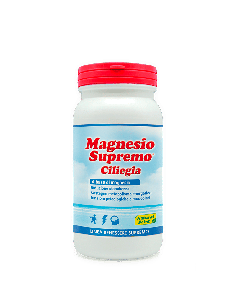
€12.52
Magnesio Supremo Cherry, a magnesium supplement for muscle function and the reduction of tiredness. Suitable for vegans. Pack size: 150g jar.

€12.33
Magnesio Supremo Lemon, a magnesium supplement for muscle function and the nervous system, with natural lemon flavouring. Pack size: 150g tub.
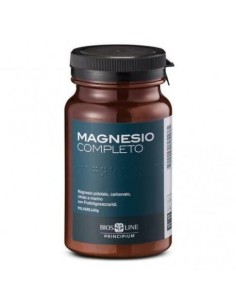
€20.89
PRINCIPIUM Magnesio Completo 400g, a magnesium supplement to support the nervous system and muscle function and reduce tiredness. Format: 400g.

€12.00
Magnesio Supremo supports muscle function and the nervous system, reducing tiredness. Ideal for general well-being. Pack size: 32 sachets.

€15.22
Magnesio Supremo Donna, a supplement for women's wellbeing, with magnesium, B vitamins, K2 and D3 to reduce tiredness and support the immune system. Format: 150 g.


€20.89
PRINCIPIUM Magnesio Completo, a magnesium supplement to support the nervous and muscular systems and reduce tiredness. Suitable for vegans. Size: 180 tablets.

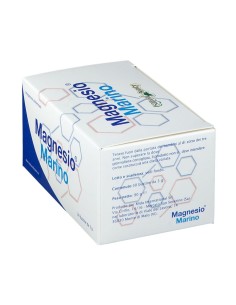
€13.50
Magnesio Marino, a magnesium supplement to help counteract tiredness and stress, useful for cardiovascular wellbeing and menstrual discomfort. Pack size: 30 sachets.

€15.13
Massigen Magnesio Superior, a magnesium supplement to help reduce tiredness and support muscle function and the nervous system. Format: 300 g tub.
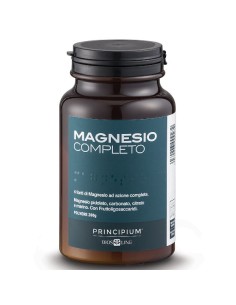
€12.94
Principium Magnesio Completo, a magnesium supplement for the wellbeing of the nervous system and muscle function, helping to reduce tiredness. Pack size: 200g jar.

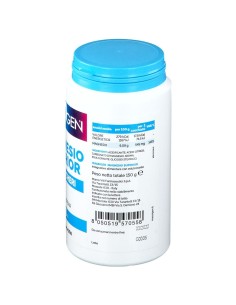
€5.48
Massigen Magnesio Superior, a sugar-free food supplement to reduce cramps and tiredness, supporting metabolism. Useful in case of stress. Format: 150g powder.
Automatic selection based on product categories and features: for a tailored choice, ask the pharmacist.
What it is and how to recognise it
Period pain (dysmenorrhoea) appears as cramps or a dull ache in the lower abdomen, which can spread to the back and thighs. It starts shortly before or at the beginning of the flow and usually eases within one or two days. It may be accompanied by nausea, headache, tiredness and bowel problems.
Premenstrual syndrome, on the other hand, is a set of physical and emotional symptoms that occur in the days before menstruation and disappear when the period arrives:
- abdominal bloating and fluid retention;
- breast tension and tenderness;
- irritability, anxiety, sadness or mood swings;
- sugar cravings and changes in appetite;
- tiredness, difficulty concentrating and sleep problems;
- spots and oilier skin.
The most common causes
In the most common form of dysmenorrhoea, called primary, the pain is linked to the production of prostaglandins, substances that make the uterus contract to help shed the endometrium. When they are present in high amounts, the contractions become more intense and painful. It is typical of girls and young women and often eases over the years.
Premenstrual syndrome is linked to fluctuations in oestrogen and progesterone in the second half of the cycle and to individual sensitivity to these changes. Stress, an irregular diet, lack of sleep and little physical activity can accentuate the symptoms.
There is also secondary dysmenorrhoea, due to gynaecological conditions such as endometriosis or fibroids: in these cases the pain tends to be stronger and to get worse over time.
Remedies and practical tips
- apply heat to your lower abdomen with a hot-water bottle or heat wraps: warmth helps relax the muscles;
- stay active during your period too, with walks, stretching or yoga;
- in the days before your period cut down on salt, simple sugars, coffee and alcohol, which can increase bloating and irritability;
- choose light, frequent meals with vegetables, pulses, wholegrain cereals, nuts and fish;
- drink enough to counteract fluid retention;
- look after your rest and make time for relaxation techniques;
- keep a diary of your cycle and symptoms: it helps predict the most difficult days and discuss them with your doctor;
- choose comfortable, breathable pads or cups, changing them regularly.
What you can find at the pharmacy
Among the types of products that can support you on these days:
- magnesium supplements, as magnesium contributes to normal muscle function and to the reduction of tiredness and fatigue;
- plant extracts such as chasteberry (agnus castus), used to support menstrual cycle regularity and counteract premenstrual discomfort;
- evening primrose and borage oil, rich in fatty acids, traditionally used for female wellbeing and breast tension;
- vitamin B6, which contributes to the regulation of hormonal activity, often included in formulas dedicated to the menstrual cycle;
- iron, useful in case of heavy periods on your doctor's advice;
- self-heating heat wraps and patches for local relief;
- sanitary pads, panty liners and gentle intimate cleansers for hygiene on those days.
Supplements are not a substitute for a varied, balanced diet and a healthy lifestyle and should be taken consistently, often over several cycles, to assess how useful they are. If you are on hormonal treatments, pregnant or breastfeeding, always ask your pharmacist or doctor for advice.
For younger girls it is important to talk about it with the family and the doctor from the first periods: getting to know your own body helps distinguish normal discomfort from pain that deserves attention.
When to see a doctor
A gynaecological consultation is advisable when:
- the pain is so severe that it prevents normal activities, such as going to school or work;
- the pain gets worse over time or appears after years of relatively painless periods;
- the flow is very heavy, lasts more than seven days or there is bleeding between periods;
- you feel pain during intercourse or when opening your bowels;
- premenstrual symptoms have a heavy impact on your mood and relationships;
- your periods stop or become very irregular, or you suspect pregnancy.
Frequently asked questions
Is it normal to have tummy ache during your period?
Some discomfort is common, but pain that forces you to stay in bed should not be considered normal and deserves a gynaecological assessment.
Is exercise recommended during menstruation?
Yes, moderate activity supports circulation and relaxation; however, it is best to listen to your body and reduce the intensity on the heaviest days.
How long does it take to see the effect of chasteberry?
Plant extracts for the menstrual cycle work gradually: they are generally assessed after two or three cycles of regular use.
The information on this page is for general information purposes only and does not replace the advice of a doctor or pharmacist. Food supplements should not be used as a substitute for a varied, balanced diet and a healthy lifestyle. If symptoms persist or are severe, consult a healthcare professional.