
Shopping Cart


Menopause: symptoms, changes and pharmacist's advice
The menopause is a natural phase in every woman's life, but the hormonal changes that come with it can make themselves felt, from hot flushes to less restful sleep. Knowing the symptoms and taking care of yourself with a few precautions helps you go through this transition more calmly. Here is the pharmacist's advice.
Read the full guide ↓Useful products for menopause
Isoflavones and plant extractsCalcium and vitamin DMoisturising vaginal gelsIntimate lubricantsGentle intimate cleansers
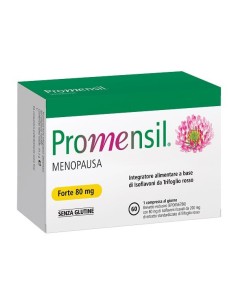
€48.77
Food supplement in tablets based on red clover isoflavones, supporting women's wellbeing during menopause. Pack of 60 tablets.
€20.24
Medical device in the form of a pH 4.5 vaginal gel, moisturising and soothing, for vaginal and vulvar dryness. Pack of 6 single-dose applicators of 5 ml.

Vaginal creams & gels
Trophygel Ghimas Mucomimetic Vaginal Gel 9 Single-use Applicators of 1 ml
GHIMAS SpA
949375188
€18.94
Mucomimetic vaginal gel based on Helix Aspersa mucus extract, with a moisturising action for vulvovaginal dryness and irritation. Pack of 9 single-use 1 ml applicators.
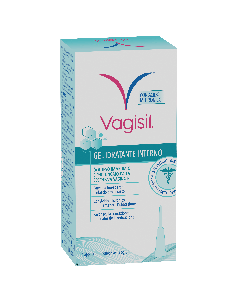
Vaginal creams & gels
Vagisil Intima Vaginal Moisturising Gel 6 Single-dose Applicators 5 g
COMBE ITALIA Srl
935810960
€11.46
Vagisil Intima Moisturising Gel single-dose, a vaginal moisturising gel with hyaluronic acid for natural, long-lasting lubrication. Condom-compatible. Format: 6 single-dose applicators.
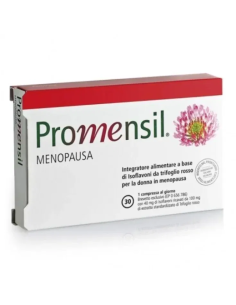
€20.68
Food supplement in tablets based on red clover isoflavones, supporting women's wellbeing during the menopause. Pack of 30 tablets.

€26.26
Food supplement in tablets based on red clover isoflavones and green tea, supporting wellbeing during menopause and weight control. Pack of 30 tablets.

€36.18
Food supplement in tablets based on red clover isoflavones, supporting women's wellbeing during the menopause. Pack of 30 tablets.
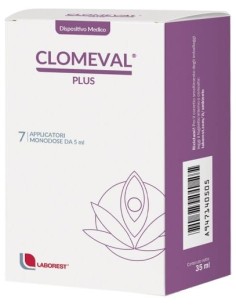
Vaginal creams & gels
Clomeval Plus Vaginal Gel 35 ml + 7 Disposable Applicators
URIACH ITALY Srl
947140505
€16.14
Soothing vaginal gel medical device, useful to restore the vaginal flora and provide relief in case of irritation and burning. 35 ml tube with 7 disposable applicators.
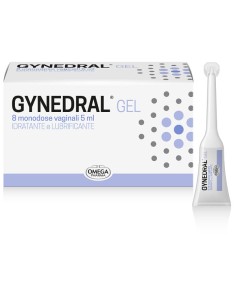
€17.96
Gynedral Gel is an advanced non-hormonal vaginal gel, enriched with hyaluronic acid and a patented mix of moisturising and restructuring agents, specifically formulated to counteract vulvovaginal dryness and related discomfort.
Format: pack of 8 single-dose vaginal applicators of 5 ml each.
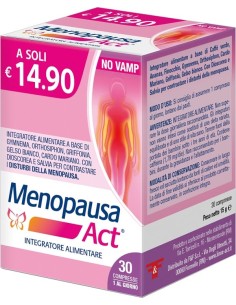
€8.05
Menopausa Act is a supplement formulated with green coffee, pineapple, fennel, gymnema, orthosiphon, milk thistle, griffonia and white mulberry, designed to counter menopausal discomfort, ideal for the wellbeing of menopausal women, gluten- and lactose-free.
Format: pack of 30 tablets.

€21.66
Kilocal Menopause 30 tablets is a food supplement that helps relieve the troublesome symptoms of this period. Kilocal Age Menopause is based on:Leptinolin, a scientifically tested blend of banaba dry extract and chromium. Chromium contributes to normal macronutrient metabolismIsoflavonesMoringa dry extract. Moringa and the menopause: supports lipid...

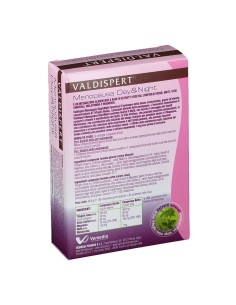
€12.02
Valdispert Menopause Day and Night is a supplement specifically designed to support women during the phase leading up to menopause, containing the following active ingredients: Red Clover to help with menopausal discomfort;Magnesium, which contributes to the reduction of tiredness and fatigue;Melatonin, which contributes to the reduction of time taken to...
Automatic selection based on product categories and features: for a tailored choice, ask the pharmacist.
What it is and how to recognise it
We talk about the menopause when the menstrual cycle stops permanently, conventionally after twelve consecutive months without periods. It generally happens around the age of 50, but is preceded by a transition period, the perimenopause, during which periods become irregular and the first symptoms appear.
The drop in oestrogen can cause symptoms that vary greatly from woman to woman:
- hot flushes and night sweats;
- difficulty falling asleep or frequent waking;
- irritability, mood swings and reduced concentration;
- vaginal dryness and lower libido;
- a tendency to put on weight, especially around the abdomen;
- drier skin and more brittle hair;
- joint pain and a feeling of tiredness.
The most common causes
The cause is physiological: with age the ovaries gradually reduce their production of oestrogen and progesterone. This hormonal decline affects many tissues, from bones to blood vessels, from skin to the intimate mucous membranes. In some cases the menopause comes earlier, for genetic reasons or following surgery or specific treatments.
Some factors can make symptoms more intense: smoking, being overweight, a sedentary lifestyle, stress and regular alcohol consumption.
Remedies and practical tips
A few changes to your daily routine can make a real difference:
- dress in layers with natural fabrics, so you can take something off when a hot flush arrives;
- keep the bedroom cool and use breathable sheets;
- cut down on coffee, alcohol and very spicy food, which can trigger hot flushes;
- eat pulses, wholegrain cereals, vegetables, fish and dairy products for a good intake of calcium and protein;
- take regular physical activity, including toning exercises, which are good for bones and muscles;
- stop smoking: it is one of the most important steps for your heart and bones;
- set aside time to relax, with breathing techniques, yoga or walks in the fresh air;
- moisturise your skin and intimate mucous membranes with specific products.
Your relationship may also be affected by the changes of this phase: talking about it openly with your partner, without embarrassment, helps rediscover intimacy and closeness. Finally, remember that the menopause is a good time to take stock of your health, scheduling the preventive check-ups recommended by your doctor.
What you can find at the pharmacy
The pharmacy offers various types of products that can support you during this phase:
- supplements based on isoflavones from soy or red clover, useful for counteracting typical menopausal symptoms such as hot flushes;
- plant extracts such as black cohosh, sage or hops, often combined with magnesium and B vitamins for tiredness and mood;
- supplements with calcium and vitamin D, which contribute to the maintenance of normal bones;
- melatonin and relaxing extracts, which support natural night-time rest;
- moisturising vaginal gels and creams, based on hyaluronic acid or other emollient substances, and lubricants for intimate moments;
- gentle intimate cleansers, designed for thinner, more sensitive mucous membranes.
Supplements are not a substitute for a varied, balanced diet and a healthy lifestyle. Some plant extracts are not suitable for everyone, for example in case of a personal or family history of hormone-dependent cancers or ongoing treatments: always talk to your doctor or pharmacist before starting.
When to see a doctor
It is advisable to see a gynaecologist or your GP if:
- symptoms significantly affect your quality of life, sleep or mood;
- bleeding occurs after your periods have stopped for some time;
- your periods stop before the age of 40-45;
- you have pain during intercourse or persistent intimate discomfort;
- you want to assess your bone and heart health with targeted check-ups.
The doctor can suggest appropriate tests and work out with you the most suitable solutions.
Frequently asked questions
How long do hot flushes last?
The duration varies greatly: for some women they last only a few months, for others they continue for several years, with an intensity that tends to decrease over time.
Do you inevitably put on weight during the menopause?
No, but metabolism slows down and fat tends to settle around the abdomen: a balanced diet and regular exercise help maintain your weight.
Are isoflavones suitable for everyone?
Not always: they are not recommended in certain clinical situations, which is why it is important to ask your doctor or pharmacist for advice before taking them.
The information on this page is for general information purposes only and does not replace the advice of a doctor or pharmacist. Food supplements should not be used as a substitute for a varied, balanced diet and a healthy lifestyle. If symptoms persist or are severe, consult a healthcare professional.